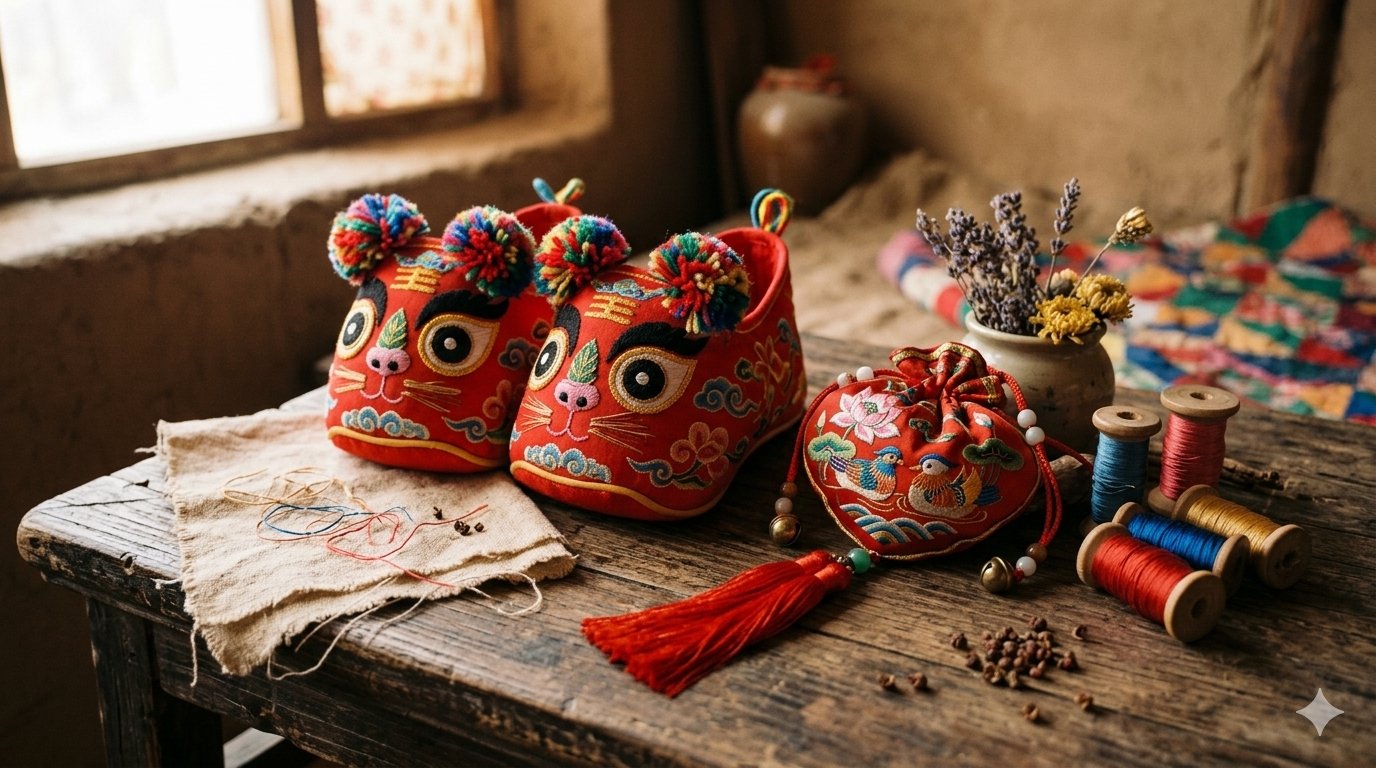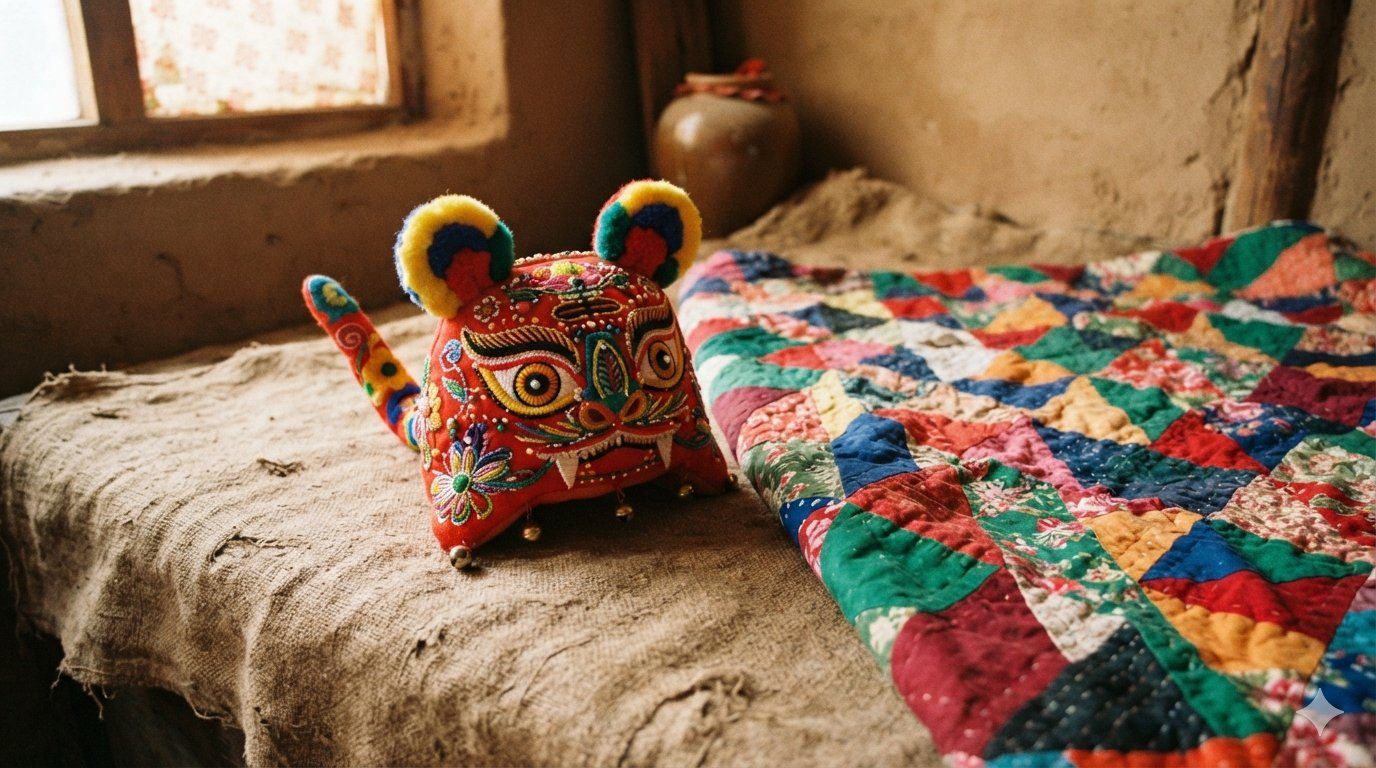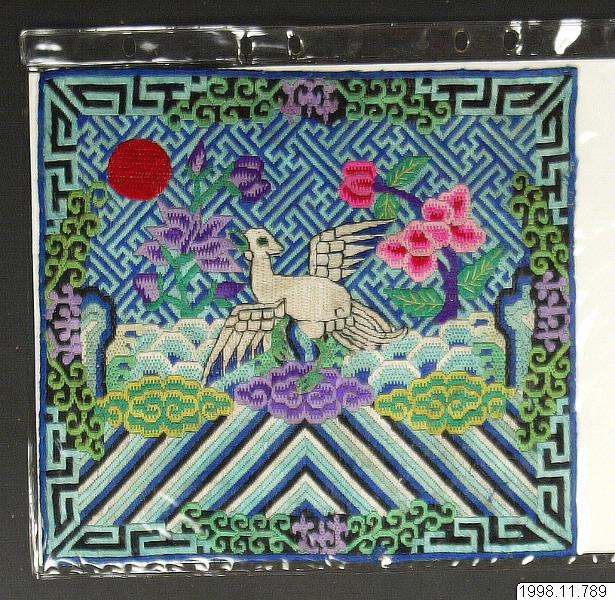
In China, there is a kind of painting that is not done with a brush, but with a needle pulling colored silk thread, stitch by stitch. It never fades, survives washing, can be worn on the body, or hung in a great hall. It is called embroidery.
From the totem patterns of the Neolithic age to the faint traces of stitching found in Western Zhou tombs, and on to the Song and Tang dynasties when embroidered works rivaled painting and calligraphy, the Chinese have recorded more than two thousand years of aesthetic judgment with needle and thread. After the Ming and Qing dynasties, regional embroidery styles matured, and four schools came to be recognized as the "four famous embroideries" — Su, Xiang, Yue, and Shu. Like four different brushes dipped in the mountains, rivers, climate, and temperament of their homelands, they embroidered China’s most exquisite landscapes in silk thread [source:1].
A painting drawn with a needle
The origin of embroidery may predate writing itself. In ancient times, people worshipped the sun, moon, stars, birds, and beasts, and tattooed these totems on their skin. Later, when leather, hemp, and silk became available, they began to embroider the same patterns onto clothing [source:1].
The ceremonial robes of Chinese rulers were required to display six symbols: the sun, moon, stars, mountains, dragons, and the hua chong — a pheasant representing beauty. The sun, moon, and stars stood for radiance; mountains for authority over the four seas; dragons for divine transformation. From the beginning, embroidery was not mere decoration, but a matter of ritual and belief [source:1].
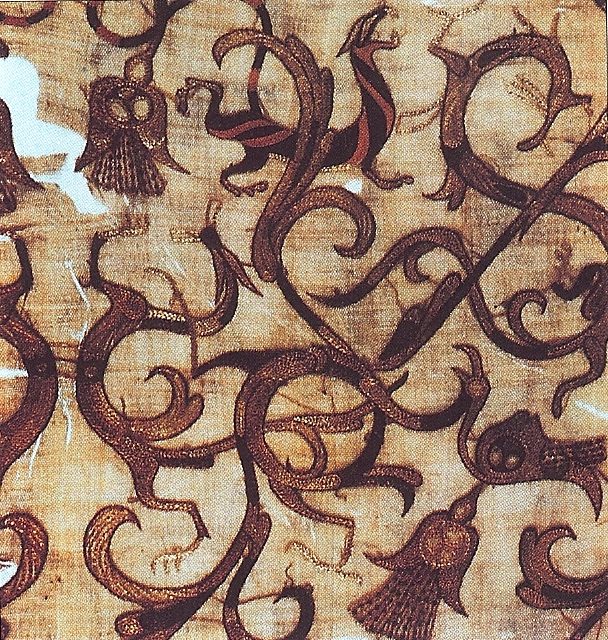
The earliest surviving physical evidence of embroidery was discovered in a Western Zhou tomb at Rujiazhuang, Baoji, in Shaanxi province. The fabric itself had been eaten away by mud, leaving only a thread-thin trace, yet the impression remained clear and bright. Experts determined that the piece used yellow silk thread on dyed silk, with pigments applied over the embroidery, employing the "braid stitch" technique. Those stitches from more than two millennia ago mark the beginning of Chinese embroidery history [source:1].
By the Tang dynasty, embroidery stitches had become richly varied: qiang stitch, sanhe stitch, zha stitch, panjin, pingjin, and others. These new stitches made it possible to model color gradation and complex imagery. In the Song dynasty, Emperor Huizong established an imperial embroidery workshop in the capital to produce court goods and works for display, and embroidery began to stand alongside painting and calligraphy as a fine art [source:1].
The Ming painter and calligrapher Dong Qichang once praised Song embroidery in these words: "The needlework of Song people is dense and fine, using only one or two strands of floss, with needles as slender as hair. The colors are exquisite, the luster dazzling… the finest pieces surpass painting itself." With a single needle and thread, embroidery could outshine ink [source:1].
Su embroidery: the misty refinement of Jiangnan
Su embroidery comes from Suzhou and the surrounding Jiangnan region, and it embodies the gentle temperament of the water towns. Its characteristics are summed up as "fine, delicate, elegant, and pure" — dense stitches, soft colors, simple composition, and a noble air [source:1].
Suzhou has long been famous for silk and for its concentration of painters and scholars. Su embroidery designs were often drawn by painters, and the embroiderers used the needle as a brush and thread as ink to render landscapes, flowers, birds, and figures like ink-wash paintings. The Qing dynasty master Shen Shou was one of the greatest representatives of this tradition. Born into a Suzhou family of antique dealers, she grew up surrounded by painting and calligraphy, and by the age of fifteen she was already an accomplished embroiderer. For the seventieth birthday of the Empress Dowager Cixi, Shen Shou presented an embroidery titled The Eight Immortals Offer Longevity; the Empress Dowager was so delighted that she personally wrote the characters for "fortune" and "longevity" to bestow upon her [source:1].
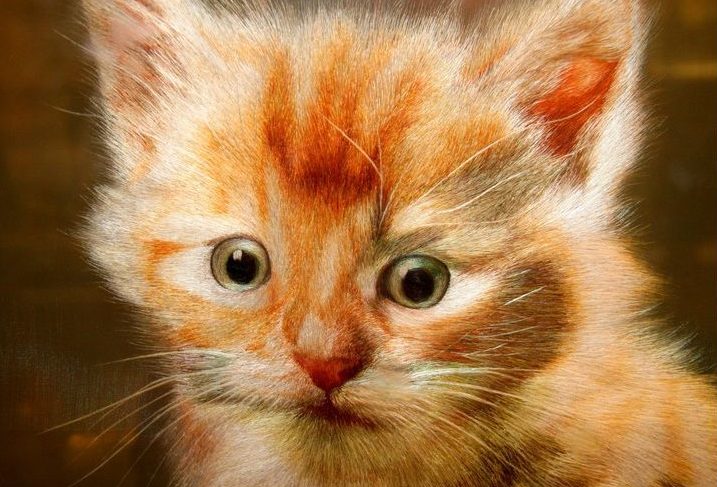
Shen Shou later developed "simulation embroidery," giving embroidered works the light and shadow effects of Western painting. Her Portrait of Jesus won first prize at the 1915 Panama–Pacific International Exposition, bringing Chinese embroidery to the attention of the world [source:1].
Su embroidery is best known for flowers, birds, ladies, and landscapes, and it prizes eight qualities: flatness, evenness, fineness, density, harmony, luster, smoothness, and uniformity. To look at a piece of Su embroidery is like watching a Jiangnan spring rain — dense, gentle, and quietly moving [source:1].
Xiang embroidery: flowers that seem to breathe
Xiang embroidery is centered on Changsha in Hunan province, and its temperament is very different from Su embroidery. It is plain and beautiful, vivid in form, bright in color, and varied in stitch. A folk saying describes its power: "Embroidered flowers smell fragrant; embroidered birds can be heard singing; embroidered tigers can run; embroidered people seem alive."
Xiang embroidery excels at depicting animals, especially tigers and lions. Its secret is a stitch called peng mao zhen, or "fluffy-hair stitch": individual silk threads are laid one by one to create the texture of animal fur, making it look full, three-dimensional, and lustrous. When embroidering a tiger, different colored threads are used to show the light and dark variations in the fur, giving the eyes a piercing gaze and the claws a powerful grip [source:1].
The designs for Xiang embroidery often come from traditional Chinese painting, emphasizing both realism and spirit. The Xiang embroidery Mandarin Ducks in a Lotus Pond, housed in the National Museum of History in Taipei, uses quiet colors and even stitches; the mandarin ducks seem to be swimming through the water. This ability to stitch the mood of a painting into silk is the most enchanting quality of Xiang embroidery [source:1].
Yue embroidery: gold and silk in Lingnan
Yue embroidery comes from Guangdong province, including both Guangzhou embroidery and Chaozhou embroidery. Its most striking features are intense color, decorative composition, and the frequent use of gold and silver thread, creating an overall impression of richness and splendor [source:1].
Guangdong sits on the southern coast, and its long history of foreign trade deeply influenced Yue embroidery. The embroidered surface is often filled with dragons, phoenixes, flowers, birds, antiques, and figures, arranged densely with almost no empty space. Yue embroidery is skilled at dian xiu, or padded embroidery: cotton or paper is placed beneath the fabric, so the pattern rises in relief. Gold and silver threads run through the design, and when light strikes them the whole surface seems to glow [source:1].
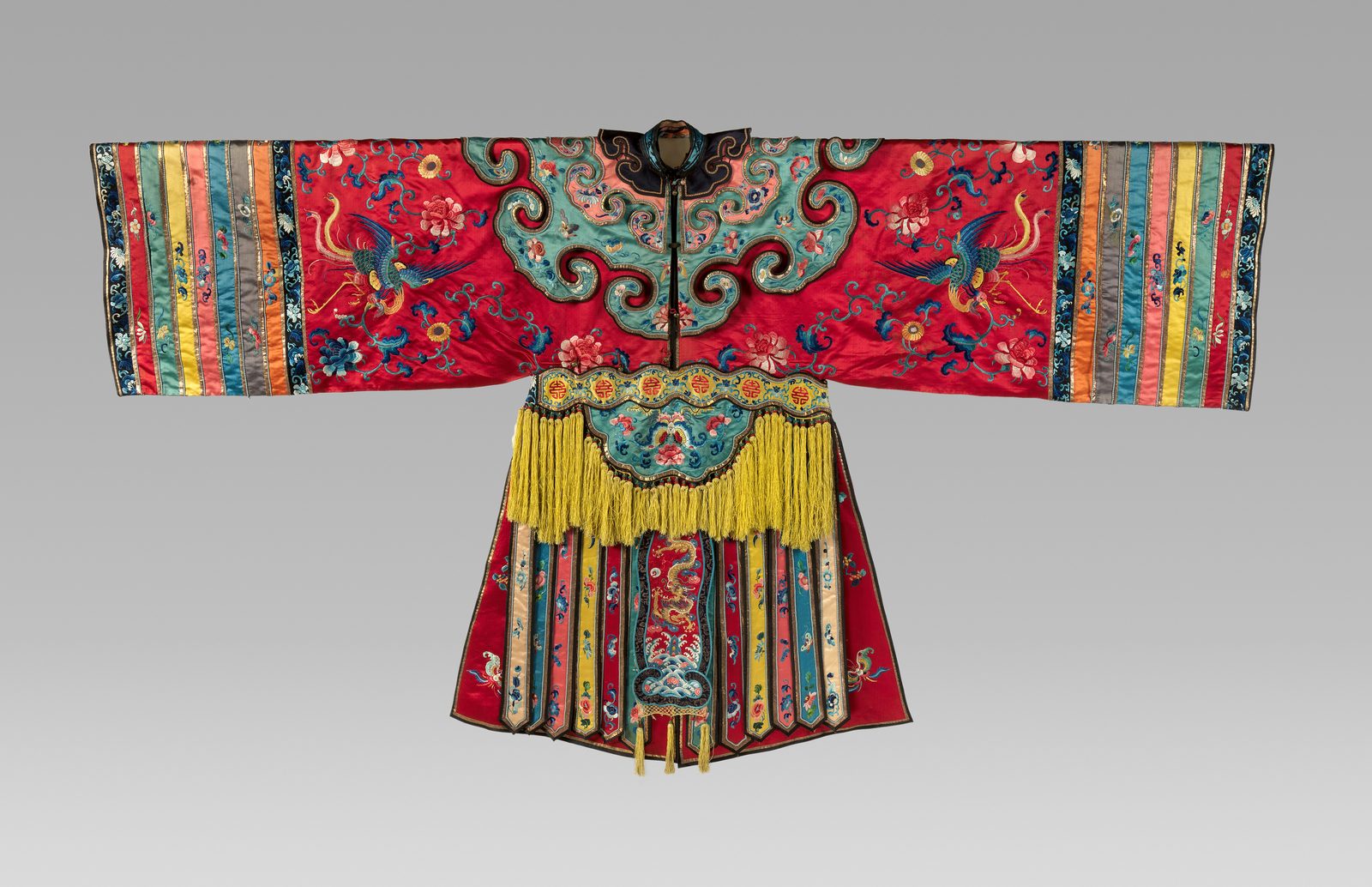
The Palace Museum in Beijing holds a Yue embroidery titled Three Goats Bring Peace, worked in colors such as agarwood, antique bronze, camel, and gray, with bright accents of orange, pink, rose purple, and green. The composition is still yet lively, dark yet vivid. This bold use of color reflects the open and passionate character of Lingnan culture [source:1].
Shu embroidery: the bold colors of Tianfu
Shu embroidery is centered on Chengdu in Sichuan province, and is also called Chuan embroidery. The Chengdu plain is warm, wet, and fertile, and its silkworm industry has been thriving since ancient times. Shu brocade and Shu embroidery together were known as "the treasures of Shu." In the late Tang dynasty, when the Nanzhao kingdom attacked Chengdu, it looted large quantities of Shu brocade and Shu embroidery along with gold and silver, treating them as rare treasures [source:2].
Shu embroidery has developed more than a hundred stitches, with more than thirty in common use, such as yun stitch, sha stitch, gun stitch, and chan stitch. The most distinctive is the yun stitch, which uses gradual transitions of silk color to create the layers and texture of petals, fish scales, and rippling water. Experts consider the yun stitch one of the defining marks that distinguishes Shu embroidery from other schools [source:2].
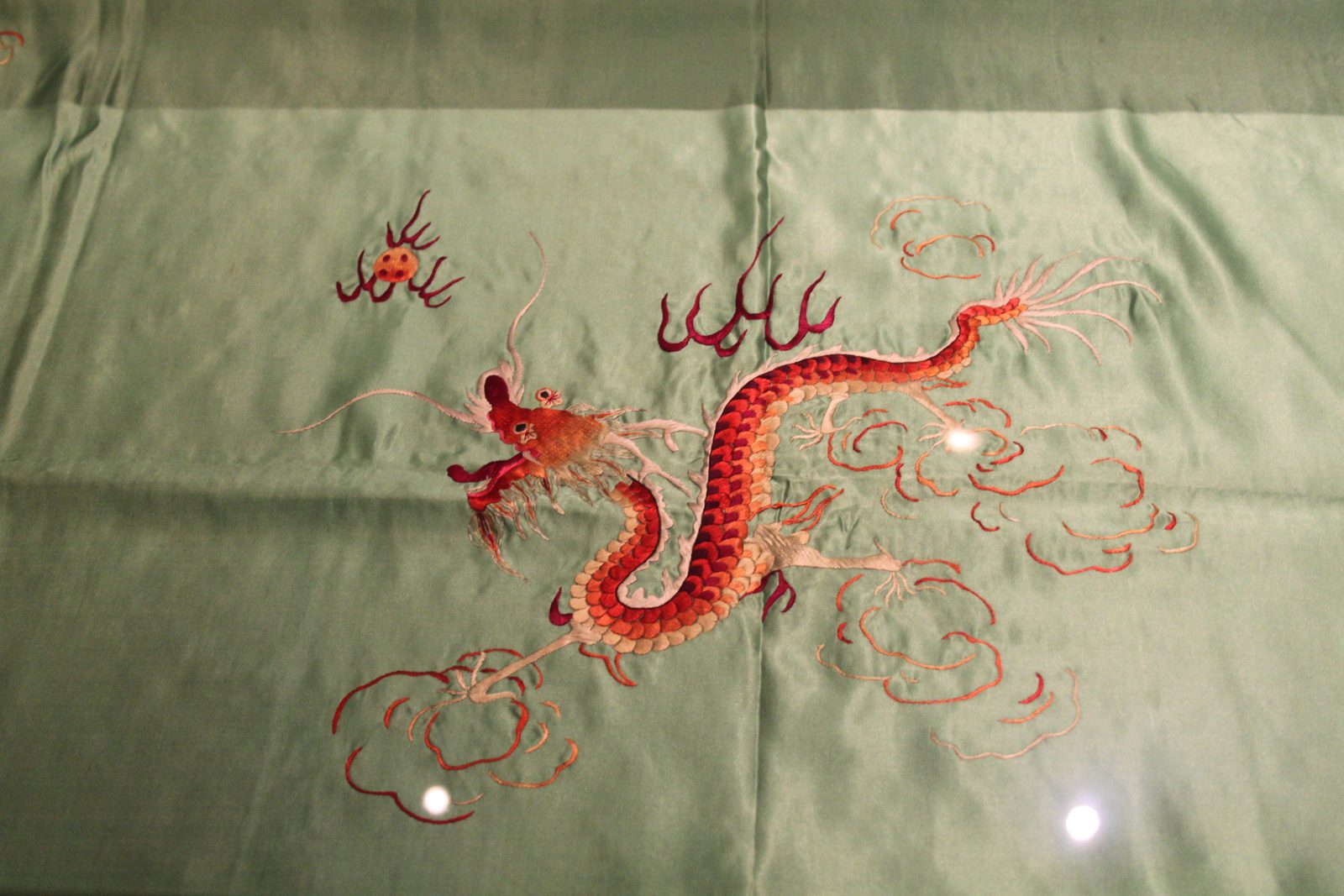
Shu embroidery favors auspicious folk themes: mandarin ducks playing in water, phoenixes among peonies, five sons achieving success, pine trees and cranes for longevity. Figure subjects often come from opera and folklore, such as Guo Ziyi’s Birthday Celebration, the Eight Immortals Crossing the Sea, and stories from Journey to the West. The masterpiece Hibiscus and Carp uses more than fifty different stitches to show three golden carp swimming among hibiscus flowers; the fish appear smooth and soft, as if truly moving through water [source:2].
Shu embroidery also has a unique feature: many of its masters were male embroiderers. Zhang Hongxing, Wang Caoyuan, Luo Wensheng, Liu Shaoyun, Zhang Wanqing, and others each had their own remarkable skills — some could both paint and embroider, others were famous for their fineness — challenging the stereotype that embroidery was exclusively women’s work [source:2].
Beyond the four: an embroidered China
The four famous embroideries are only the best-known representatives of Chinese embroidery. In fact, from Jing embroidery, Lu embroidery, Bian embroidery, Ou embroidery, Hang embroidery, Gu embroidery, Han embroidery, and Min embroidery to the embroidery traditions of the Uyghur, Yi, Dai, Miao, Zhuang, and Tibetan peoples, the needlework of China is endlessly varied [source:1].
The Gu embroidery of Songjiang in the Ming dynasty, founded by the women of the Gu family with Han Ximeng as its leading figure, merged the principles of painting with embroidery technique. It was praised as making "birds and beasts appear divine, flowers seem to move in the wind." Jing embroidery from Beijing is solemn and magnificent, used mainly for court dress. Miao embroidery uses bold colors and mysterious patterns that carry the memory of ethnic totems. Tibetan embroidery is thick and heavy, filled with the breath of the high plateau [source:1].
The four famous embroideries earned their name because they stand out in skill, scale, and influence. Yet every stitch and every thread is an expression of the Chinese understanding of beauty.
Embroidery today: from women’s chambers to the runway
In 2006, Su, Xiang, Yue, and Shu embroidery were added to China’s national list of intangible cultural heritage. But today embroidery has long since left the inner chambers where it was once practiced [source:2].
In haute couture, embroidery is the finishing touch. Cultural creative products redesign its traditional patterns. Museums let ancient embroidered works converse with contemporary art. More and more young people are learning embroidery, combining traditional stitches with modern aesthetics. Embroidery is no longer just a grandmother’s craft; it has become a cultural symbol connecting past and future.
How to read a piece of embroidery
When you face a traditional embroidery, you can appreciate it on four levels:
- Look at the stitch. Is it flat stitch, qiang stitch, gun stitch, yun stitch, or peng mao stitch? The stitch determines texture.
- Look at the color. Is it the soft elegance of Su embroidery, the bold brilliance of Yue embroidery, or the rich gradations of Shu embroidery? Color reveals the region.
- Look at the subject. Flowers, birds, landscapes, figures, dragons, and phoenixes each carry their own meaning.
- Look at the luster. Good silk thread catches the light at different angles with a soft sheen, as if the image were alive.
Once you learn to see this way, an embroidery is no longer just a beautiful pattern in silk thread, but a tangible cultural history. In those dense stitches lie the misty rain of Jiangnan, the bright sun of Lingnan, the mountains and rivers of Bashu, and the lifetime of countless embroiderers.
Author
This article was prepared by the team at ChineseFolkCrafts.com. We are not intangible-cultural-heritage inheritors or museum researchers. Our job is to find authoritative Chinese sources, understand them, and explain them clearly for international readers.
If you spot an error — a date, a translation, a misattributed custom — please let us know and we will correct it. Last updated 2026-07-15.