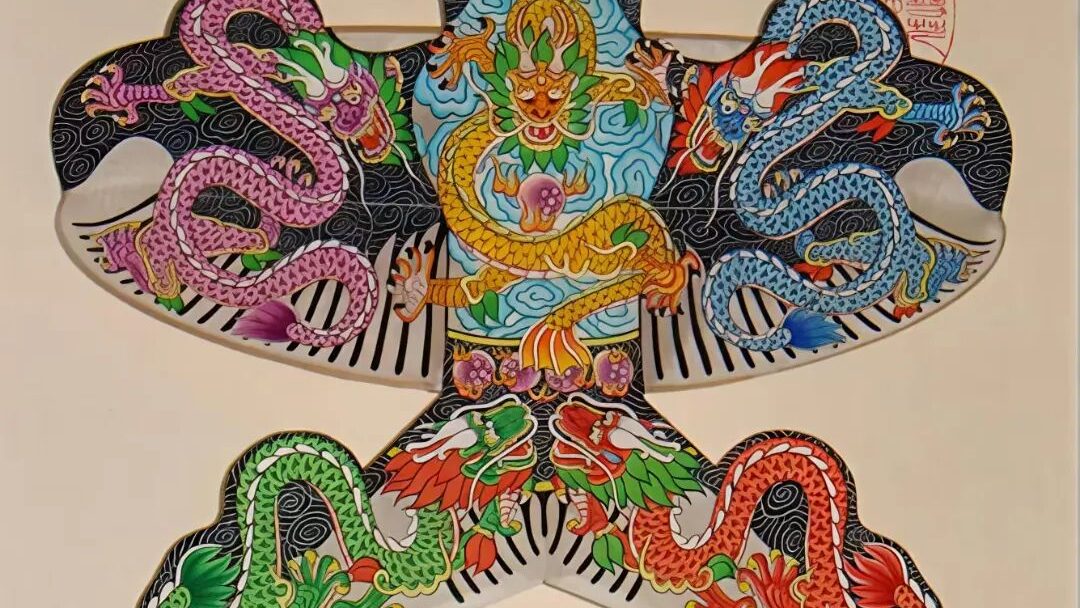
Cao-Style Beijing Kites: Swallows from the Red Chamber
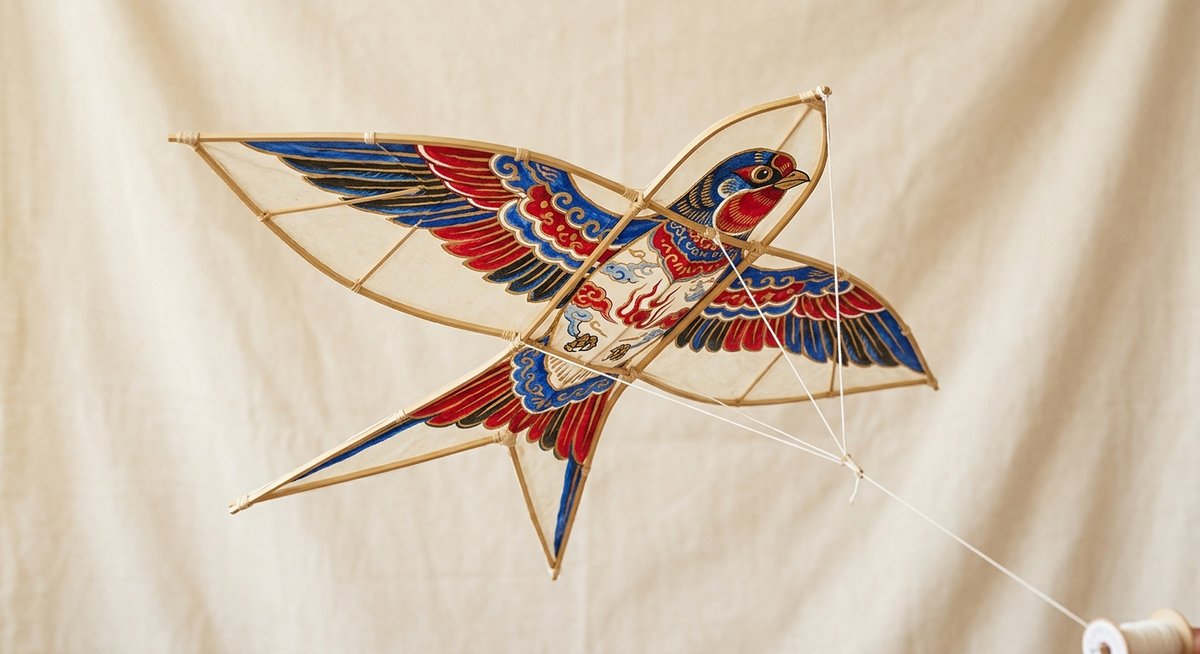
Discover Cao-style Beijing kites — the sha-yan swallow family, glueless bamboo frames, and a kite manual linked to Dream of the Red Chamber author Cao Xueqin.
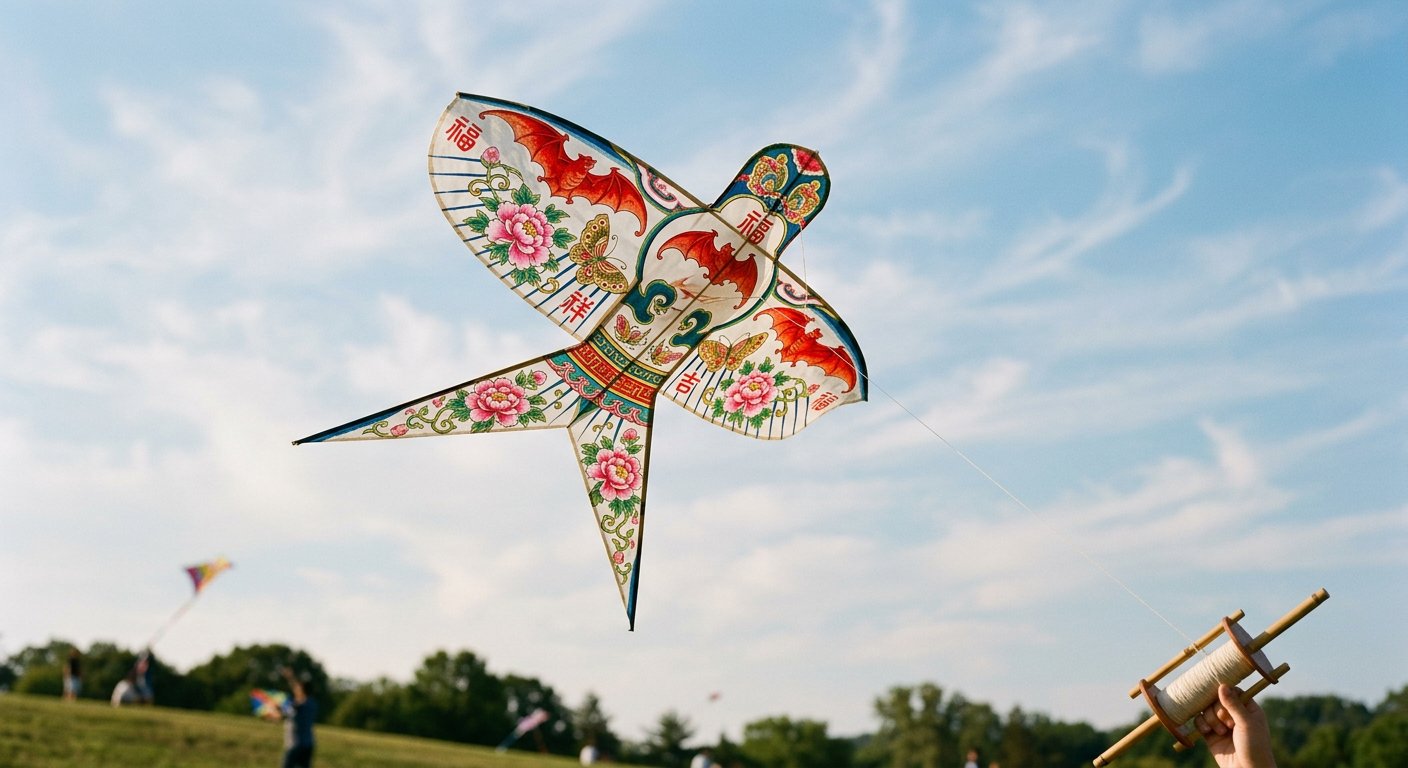
Articles, histories, and how-to guides for Chinese paper cutting, lanterns, and cloth art.
Discover Cao-style Beijing kites — the sha-yan swallow family, glueless bamboo frames, and a kite manual linked to Dream of the Red Chamber author Cao Xueqin.
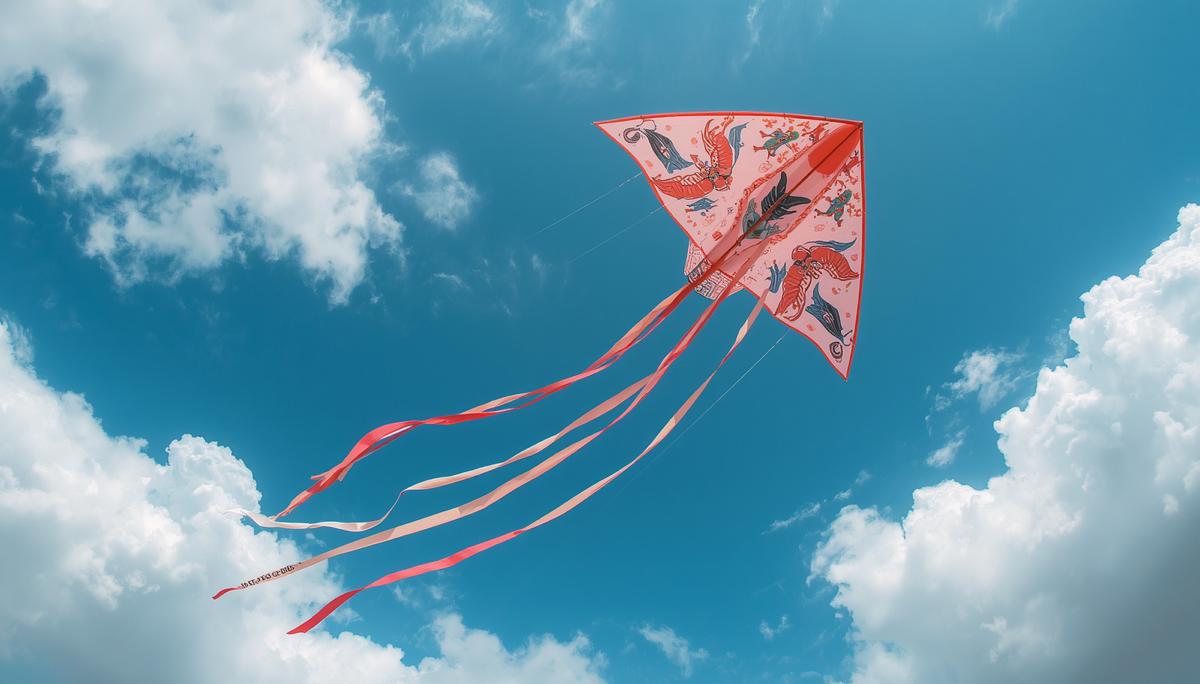
Discover why Chinese kites are covered in bats, butterflies, dragons, and peonies—and how every painted motif is a sky-bound wish for blessings, joy, and long life.
Explore Chinese kite history from ancient military signals to modern Weifang festival. Learn hard-wing, soft-wing, and dragon kite types, plus beginner-friendly making tips.
A free printable Chinese kite template makes this kids' craft easy. Print, cut, add sticks, decorate with auspicious symbols, and fly a simple paper kite.
Learn how to make a traditional Chinese kite step by step — from choosing bamboo and paper to tying the flying line and launching your first flight.
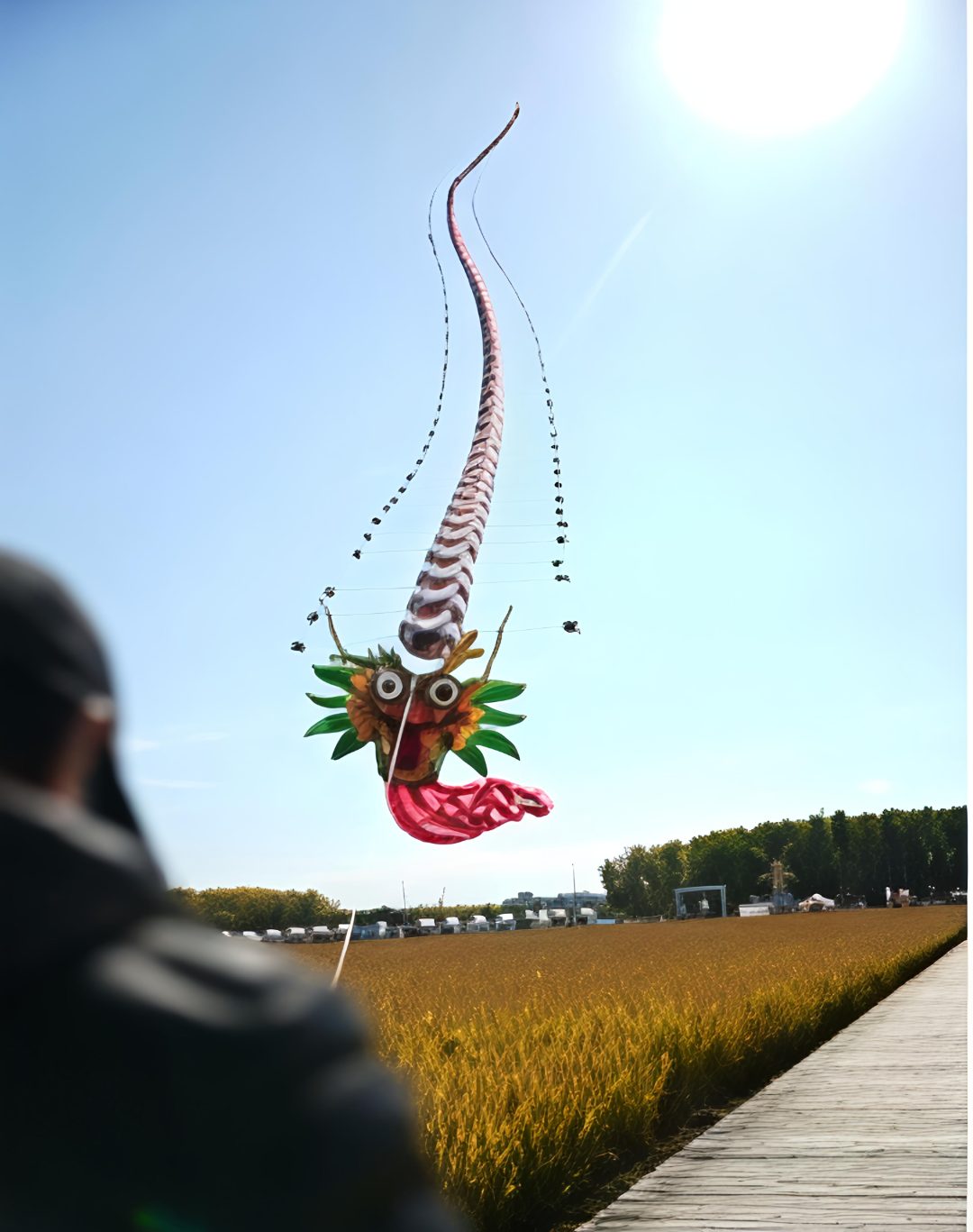
A field guide to the types of Chinese kites — hard-wing and soft-wing, panel and string kites, the dragon-head centipede, and the four great schools of Weifang, Beijing, Tianjin, and Nantong.
Meet Zhang Xiaodong, China's national Weifang kite inheritor: from selling kites at 5 a.m. as a boy to building remote-controlled rocket kites and film props.
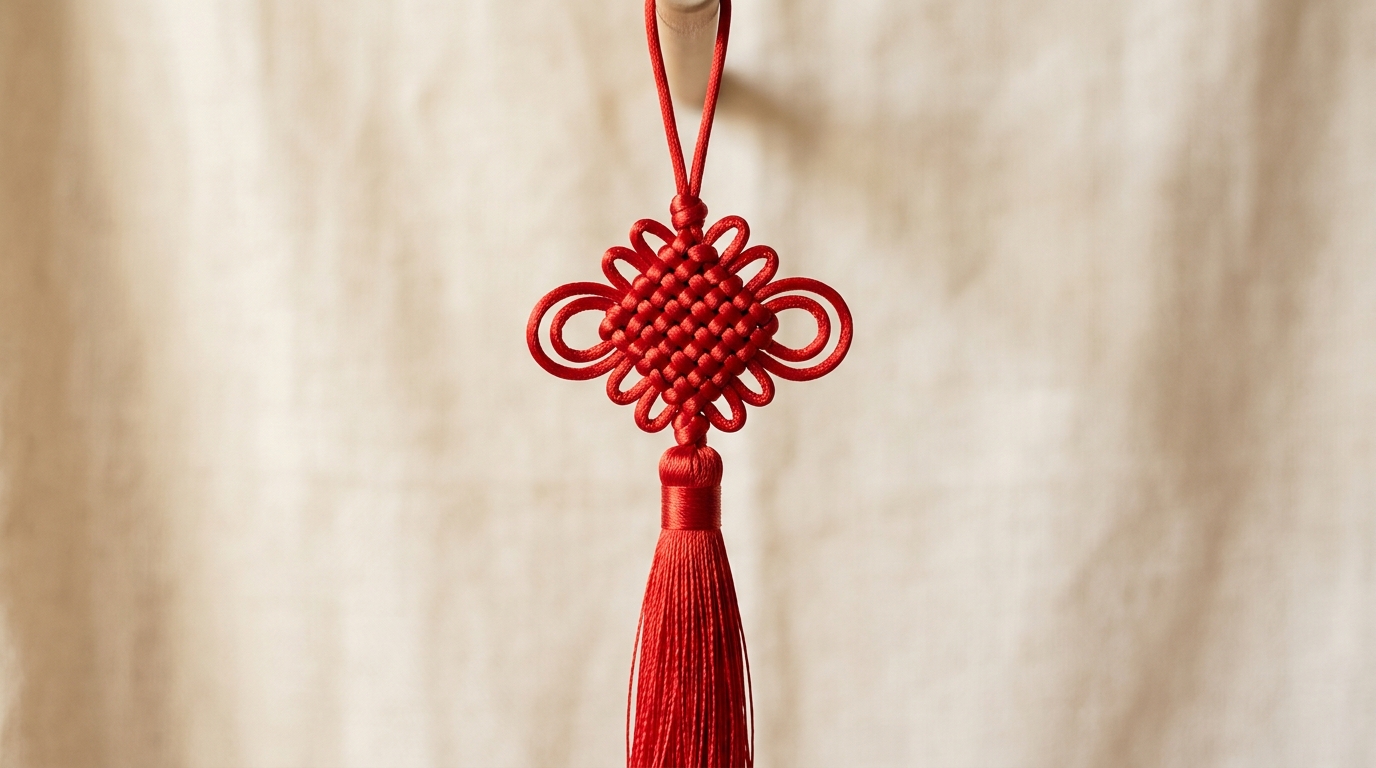
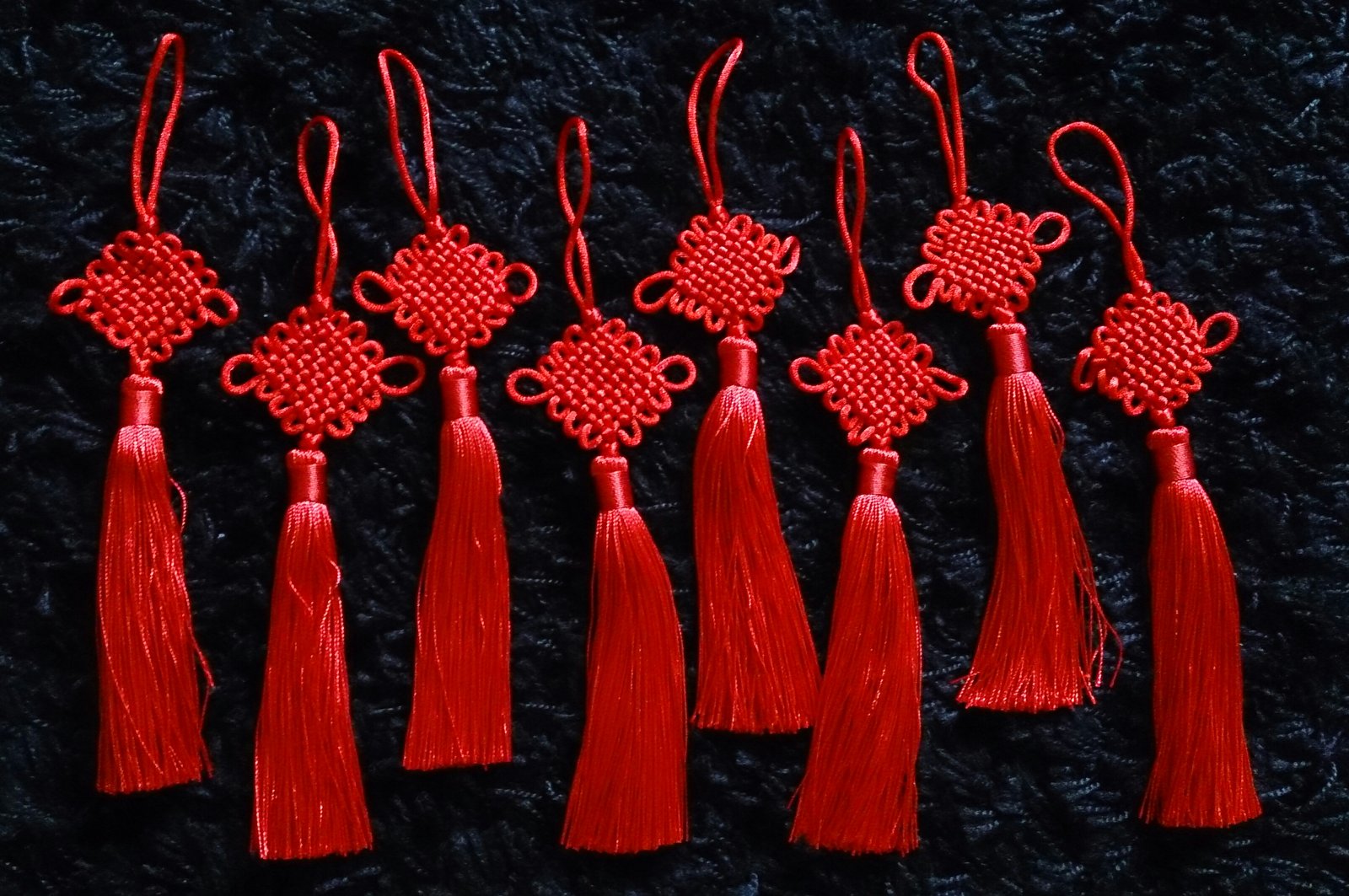
Learn 5 essential Chinese knots: butterfly, endless, double coin, cloverleaf, and good luck. See what each knot means, its symbols, and how to tie it.
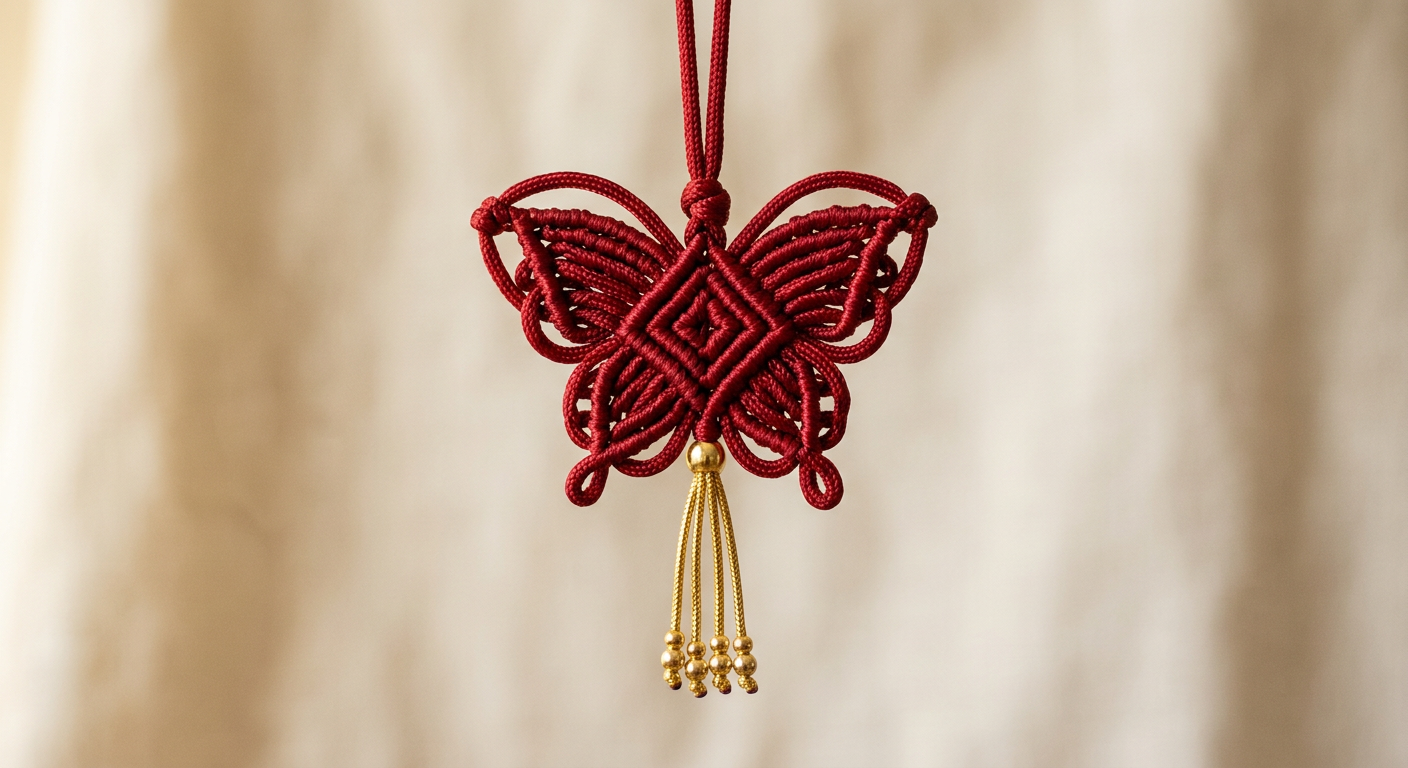
Learn what the Chinese butterfly knot means — love, joy, wealth, and the 'fortune before your eyes' pun — plus when to give it and how it is tied.
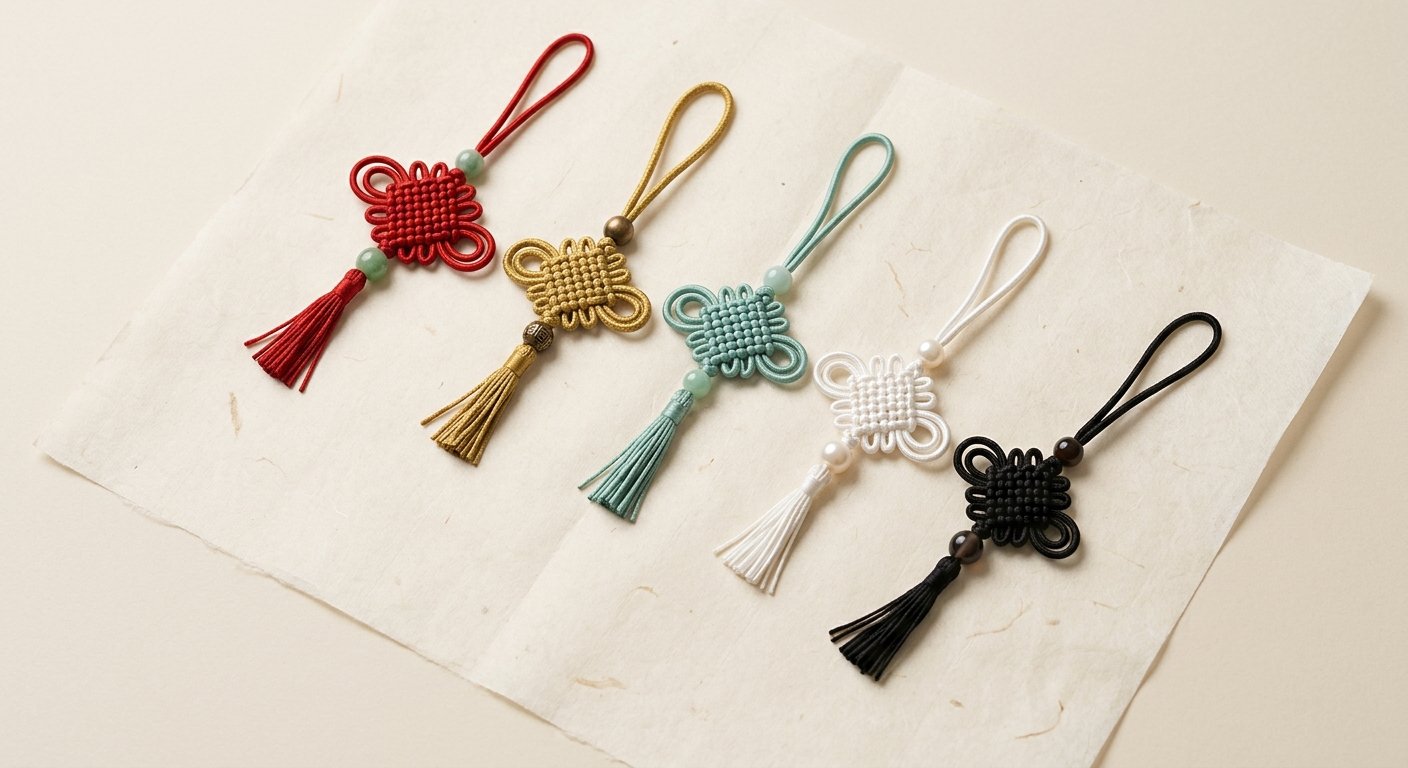
Learn what the five colors of Chinese knots mean. From red joy to blue-green growth, discover how color turns a knot into a specific wish.
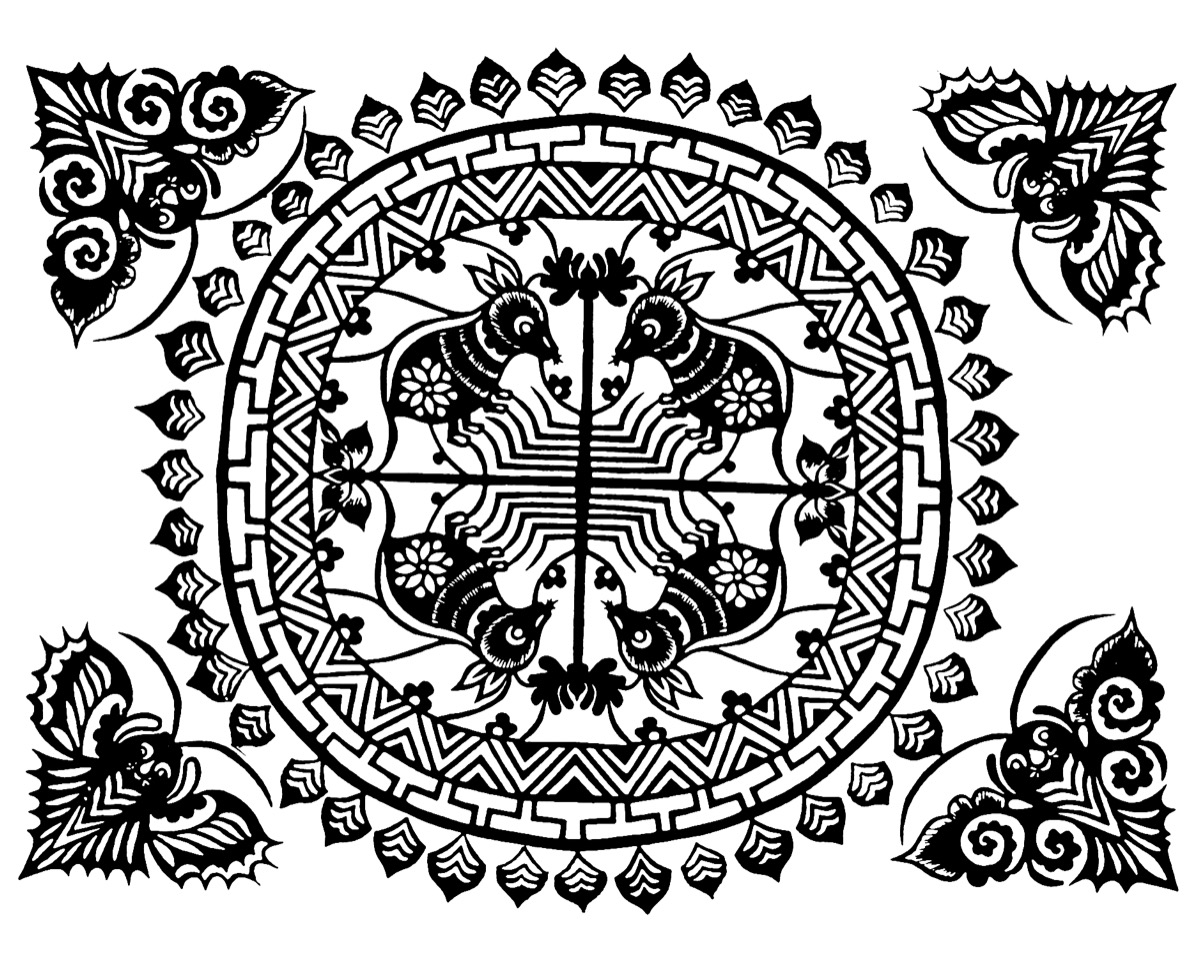
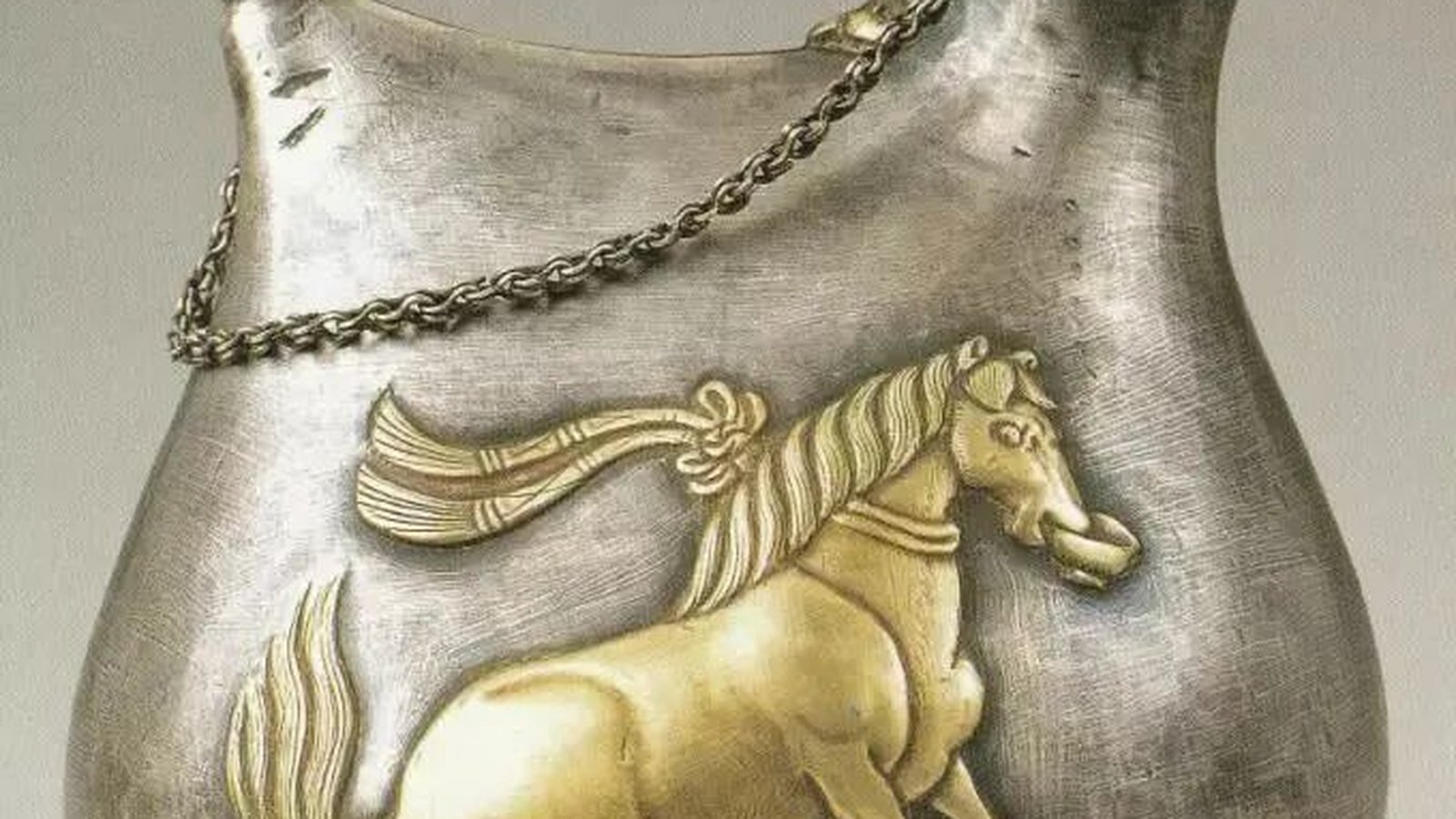
The term 'Chinese knot' was coined in 1980 — but the craft is 4,000 years old. From Qing palace da luozi and Dream of the Red Chamber to Liangzhu artifacts.
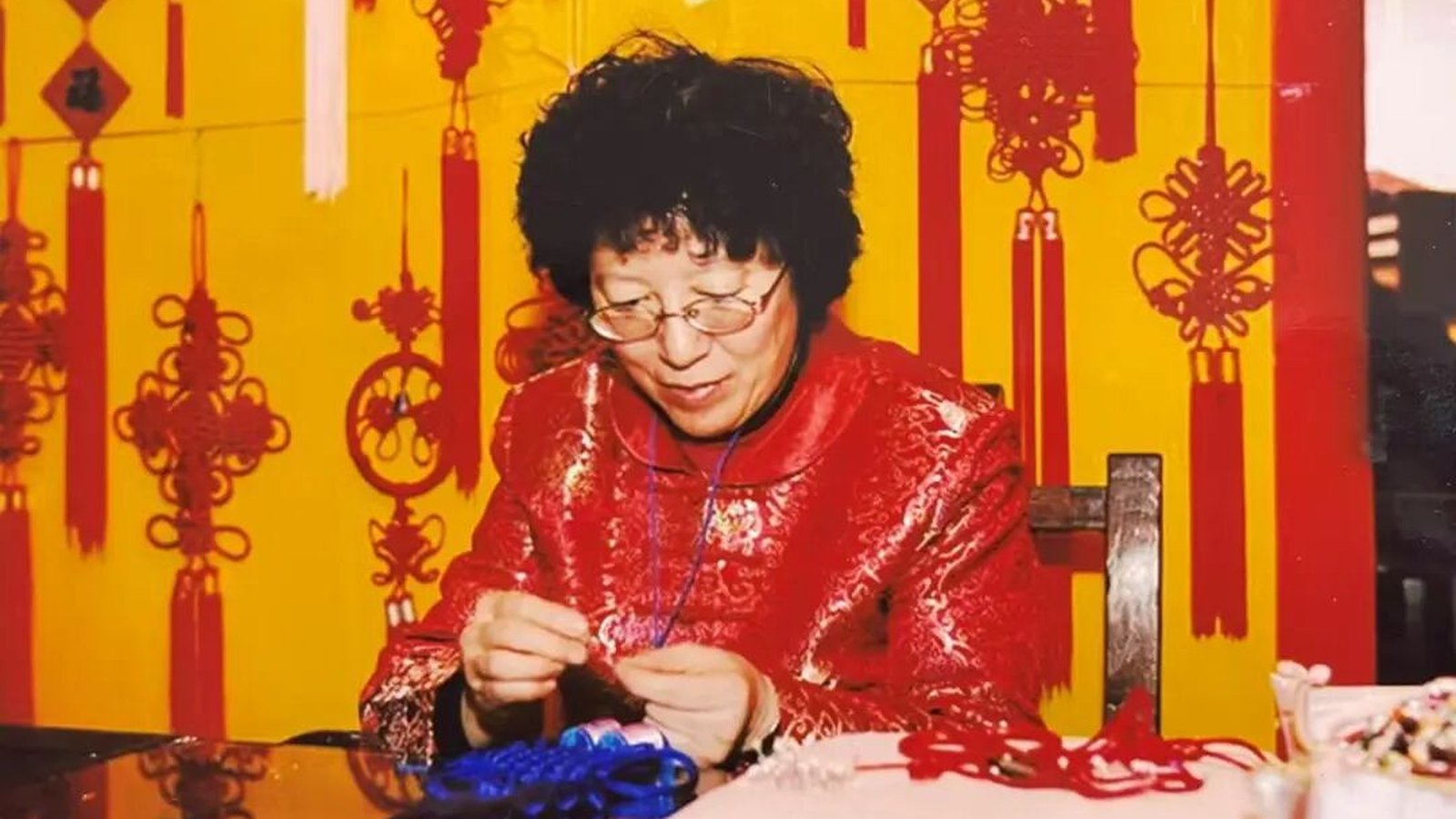
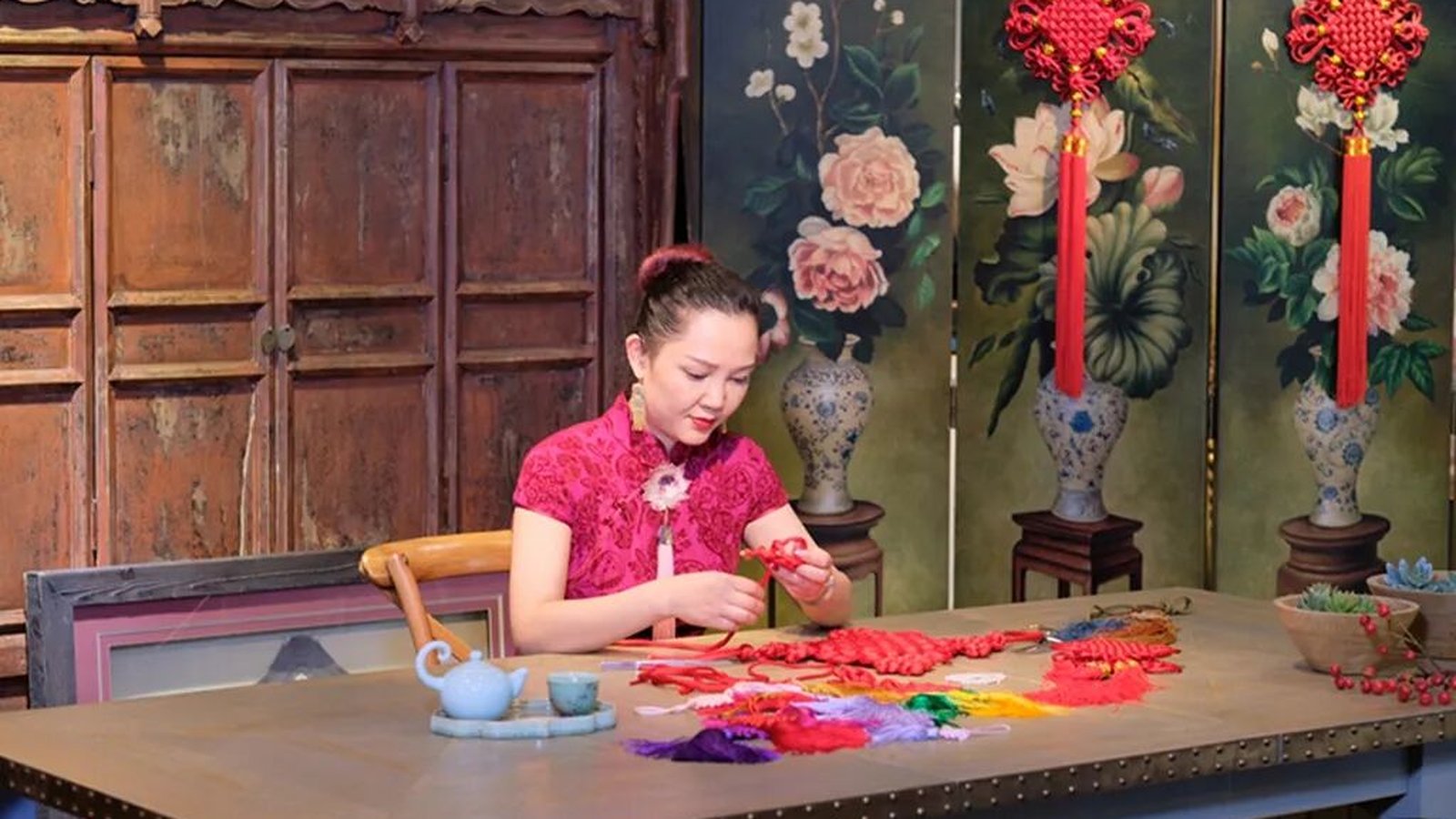
Meet Mi Lingzhu, Beijing's knotting-art inheritor: 30 years of Chinese knots, live demos for APEC delegates and Olympic guests, and teaching kids the double coin knot.
Meet Zhou Qiaoyi and Xiong Dadi, the mother-daughter knot masters behind Hong Kong's Return Knot, Olympic seal cords, knot stamps, and the Forbidden City's 25 imperial seal replicas.
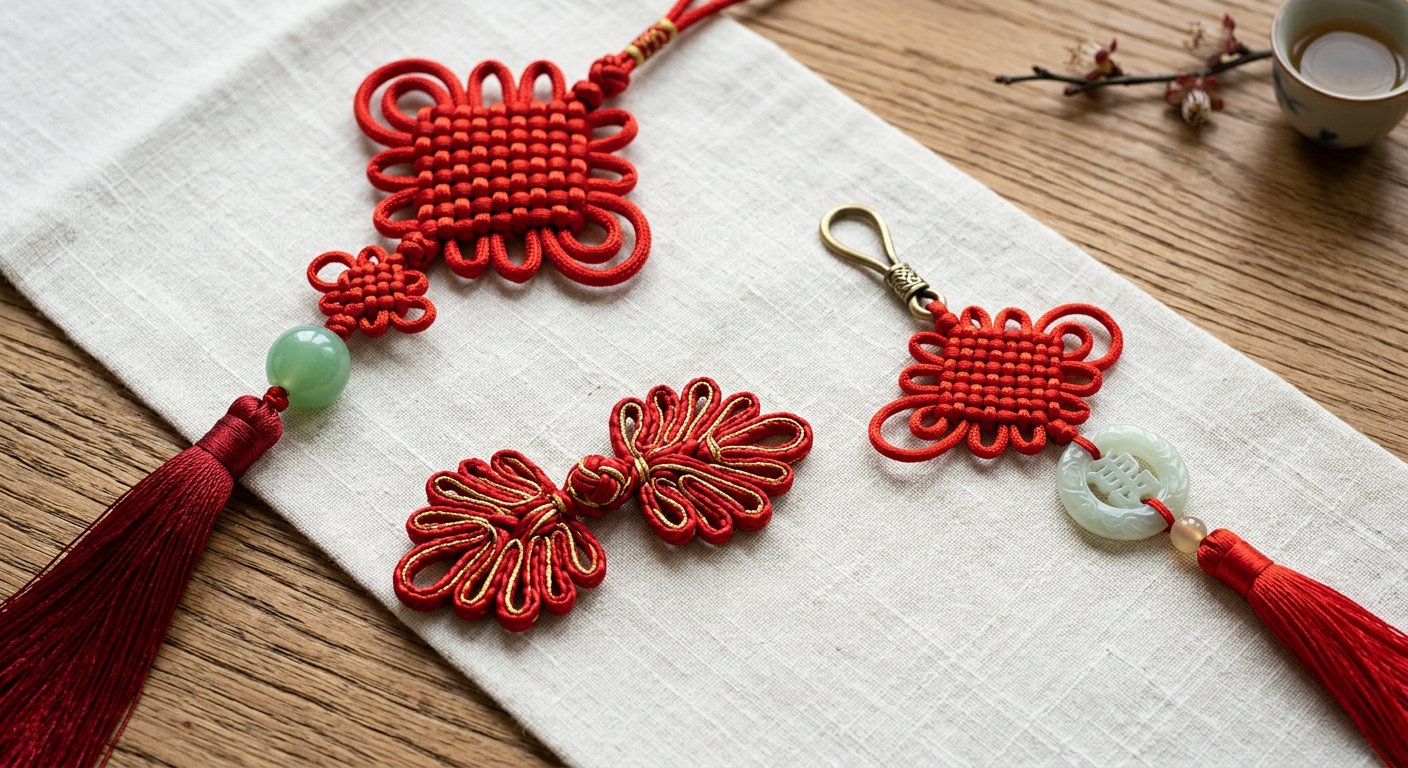
A complete guide to Chinese knot types and categories — basic knots, variation knots, combination knots, the eleven fundamentals, and how to read a knot's grammar.
Discover how Chinese knots are used in everyday life — from clothing frog buttons and festival decorations to modern home decor, gifts, and global celebrations.
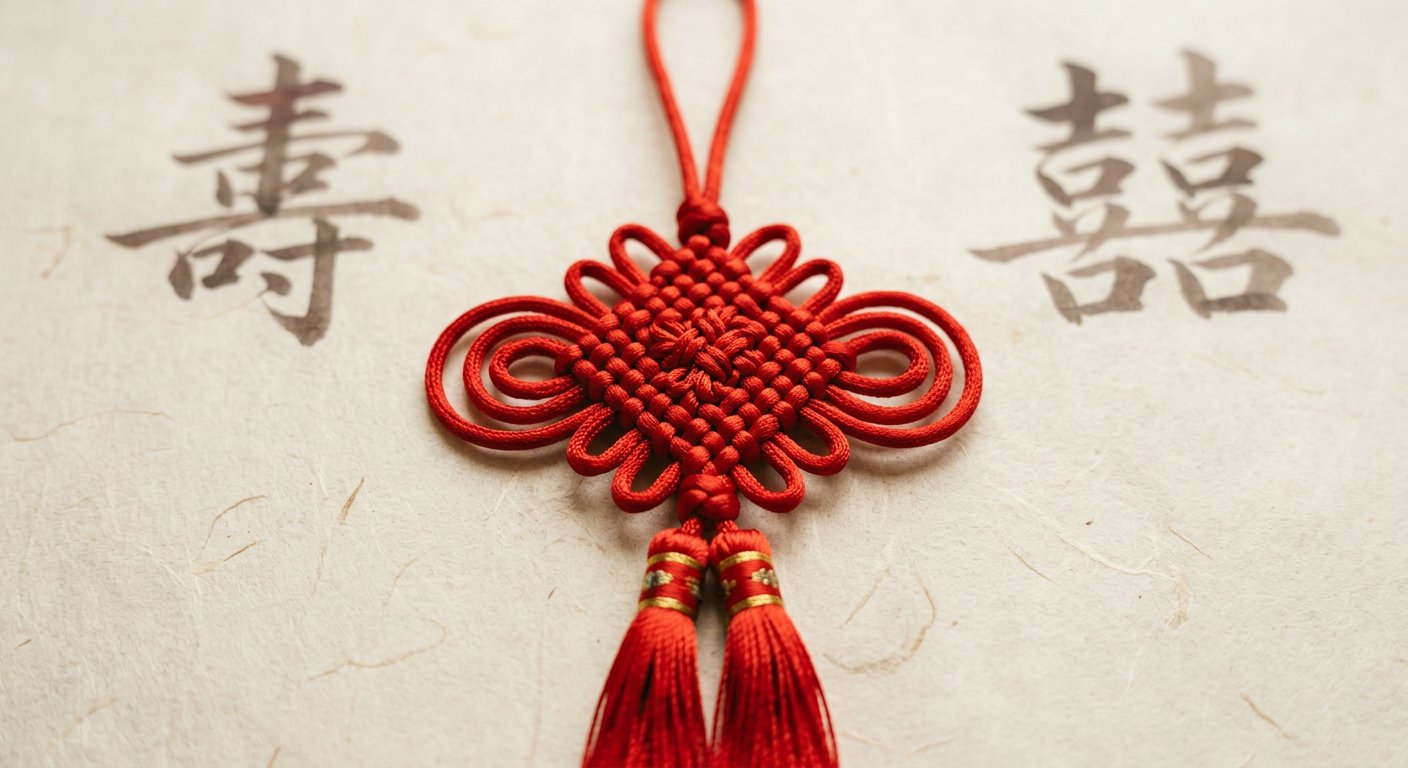
Discover Chinese character knots — cords shaped like the characters for longevity, double happiness, and wishes. Learn the meaning of shou, xi, ruyi, tongxin, and tuanjin knots.
Learn how to tie the Chinese endless knot (pan chang), also called the good luck knot or infinity knot. Step-by-step instructions with photos, meaning, and tips for beginners.
Step-by-step instructions for three essential beginner Chinese knots — the double coin knot for prosperity, the pipa knot for clothing and craft, and the pan chang (good luck) knot for long life.
Discover the four great schools of Chinese embroidery — Suzhou, Hunan, Guangdong, and Sichuan — their signature stitches, motifs, and how to tell them apart.
Discover Chinese tie-dye (jiaoxie) and Miao batik: how a thread and a copper wax knife leave white flowers on indigo cloth, the craft's history, regional styles, and where to try it today.
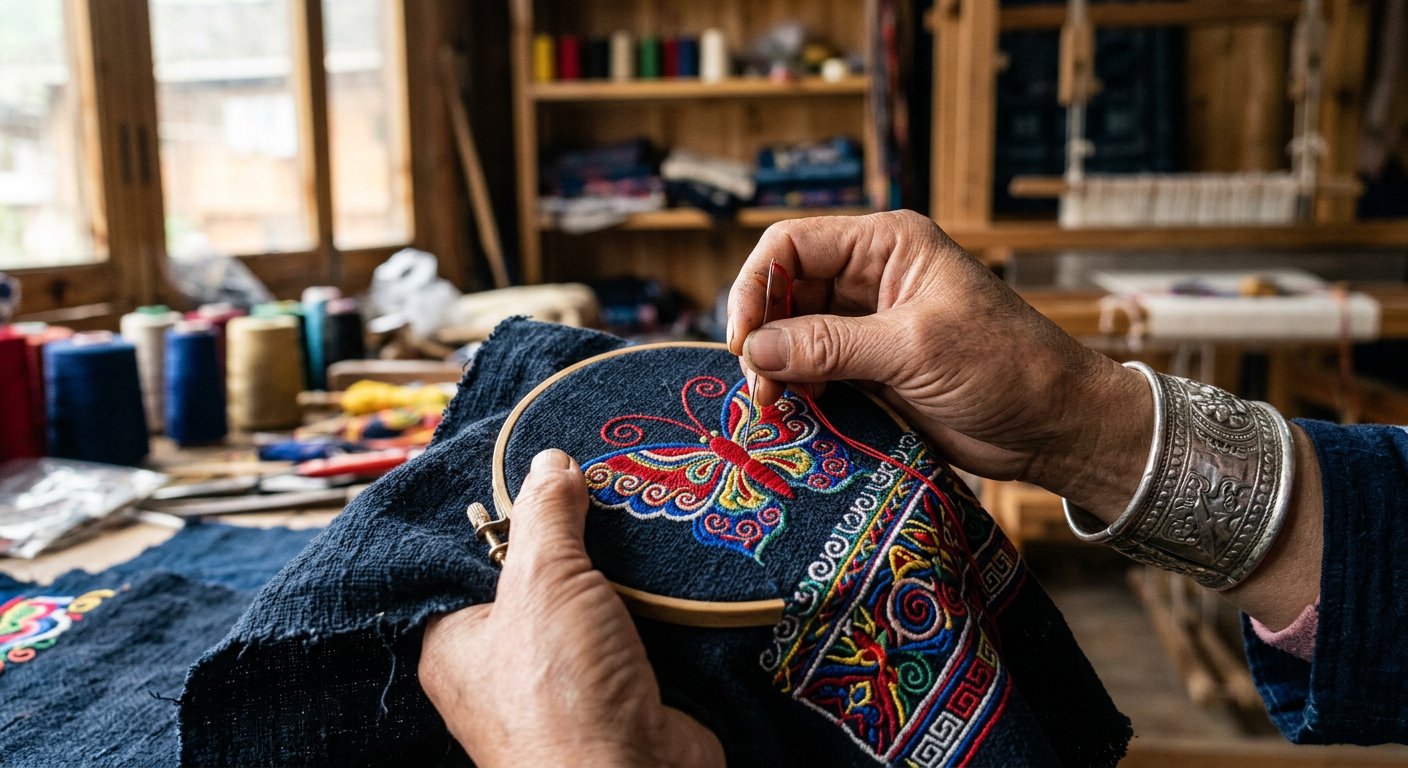
Discover Miao embroidery, the wordless history book of the Miao people. Learn the meanings of butterfly, dragon, and migration symbols, the major regional styles, and how this ancient craft is being revived today.
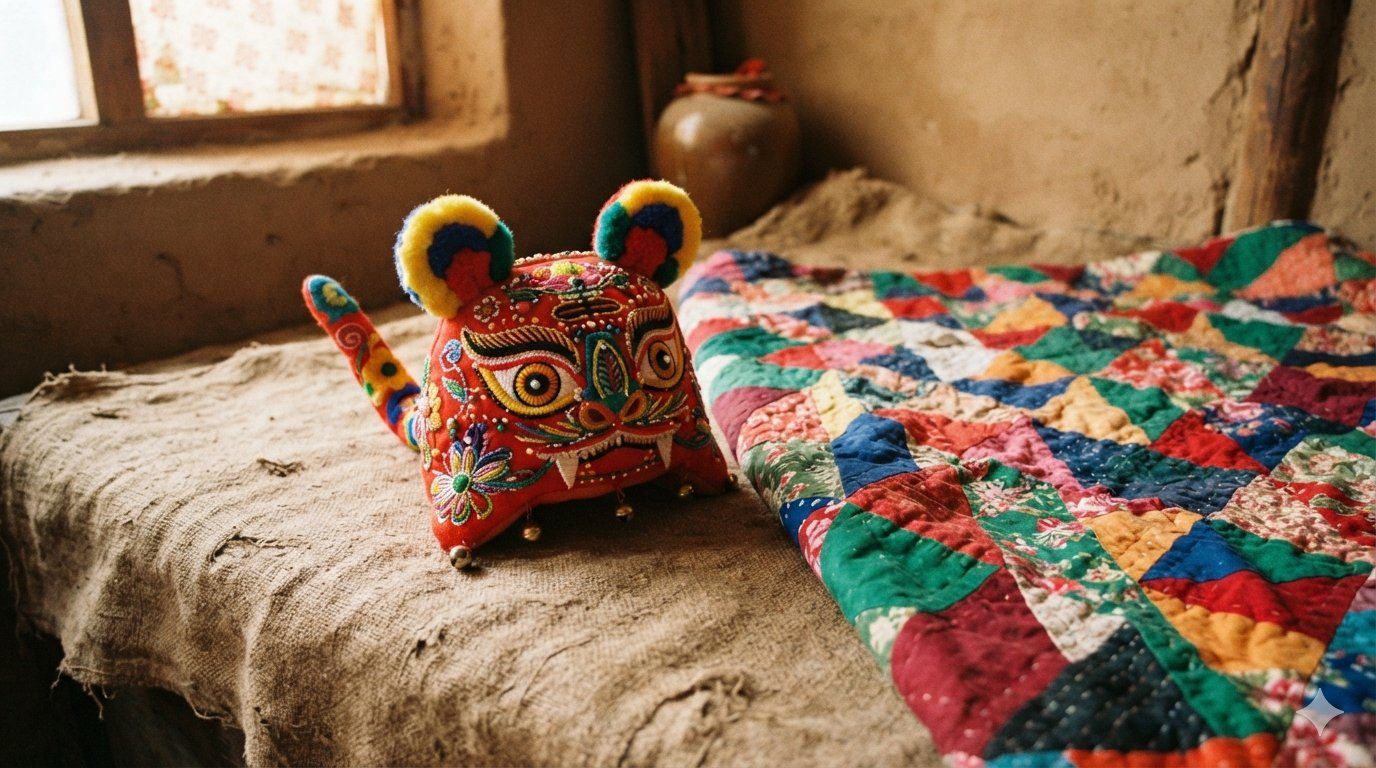
How northern Chinese villages pieced scraps into hundred-family quilts and sewed tiger hats to protect children — folk cloth art with 3,000-year roots.
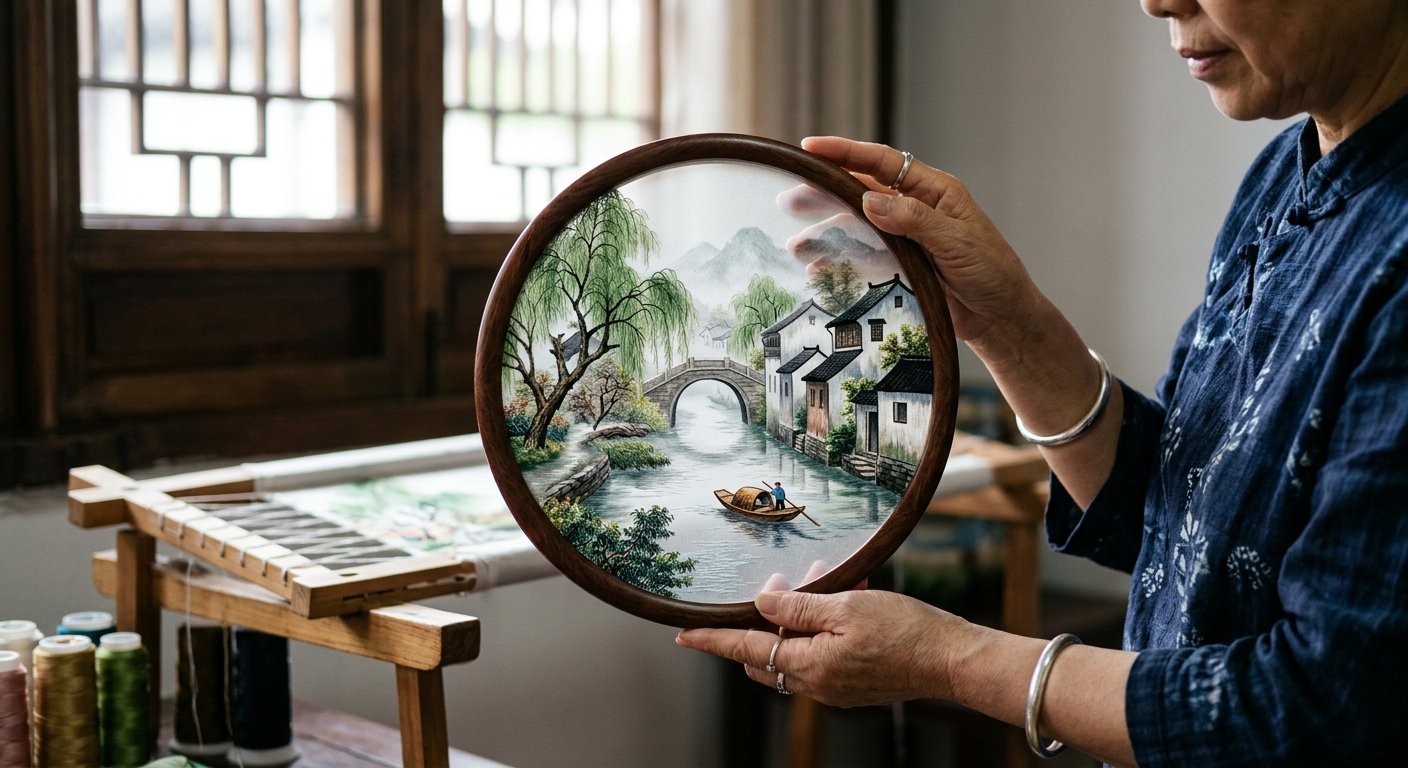
Discover Suzhou embroidery, the silk-thread art of Jiangnan. Learn how double-sided stitching works, the eight qualities of a masterwork, and the four regional branches that keep Su xiu alive today.
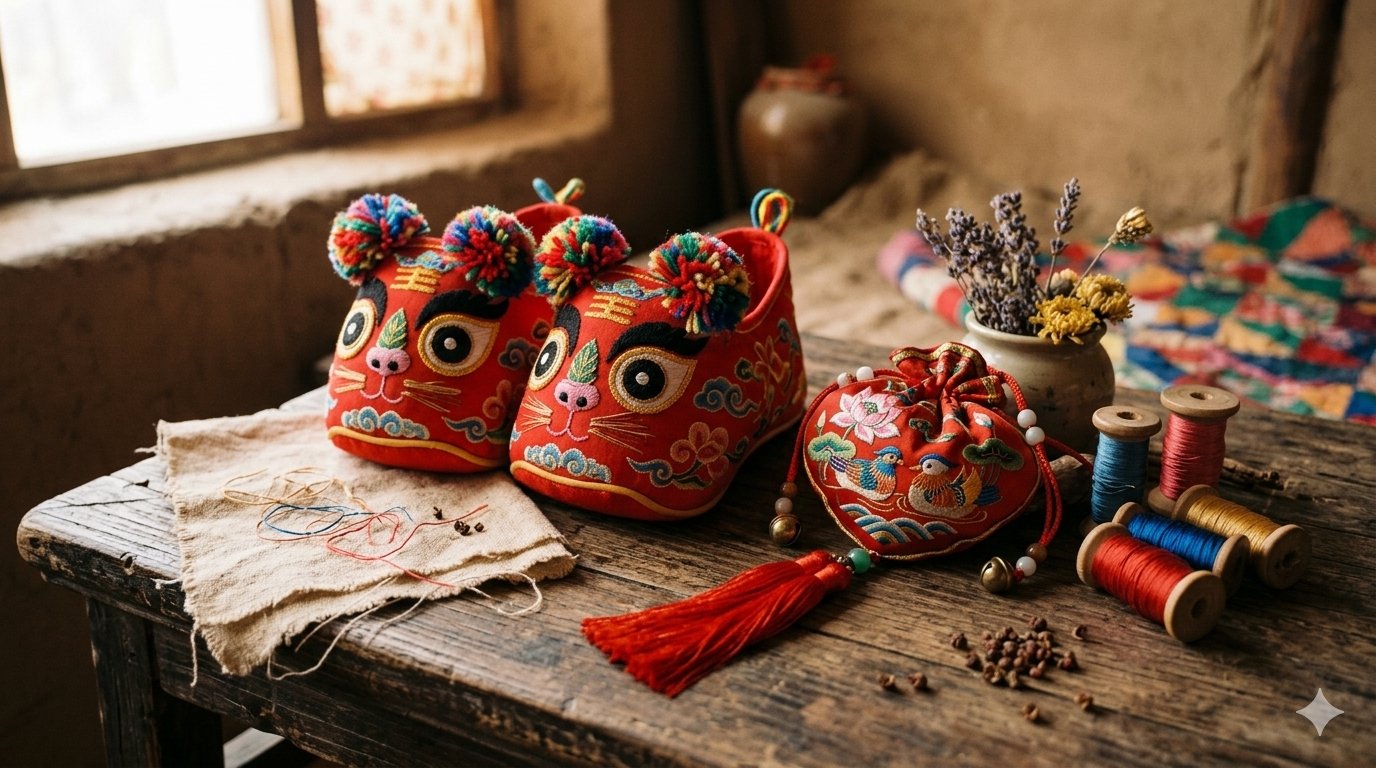
Why do Chinese babies wear tiger shoes? The protective cloth arts families sewed for children — tiger shoes, herbal sachets, and the wishes stitched into them.
From Han dynasty palace lamps to the great regional lantern schools of Beijing, Suzhou, and Zigong — two thousand years of Chinese lantern history.
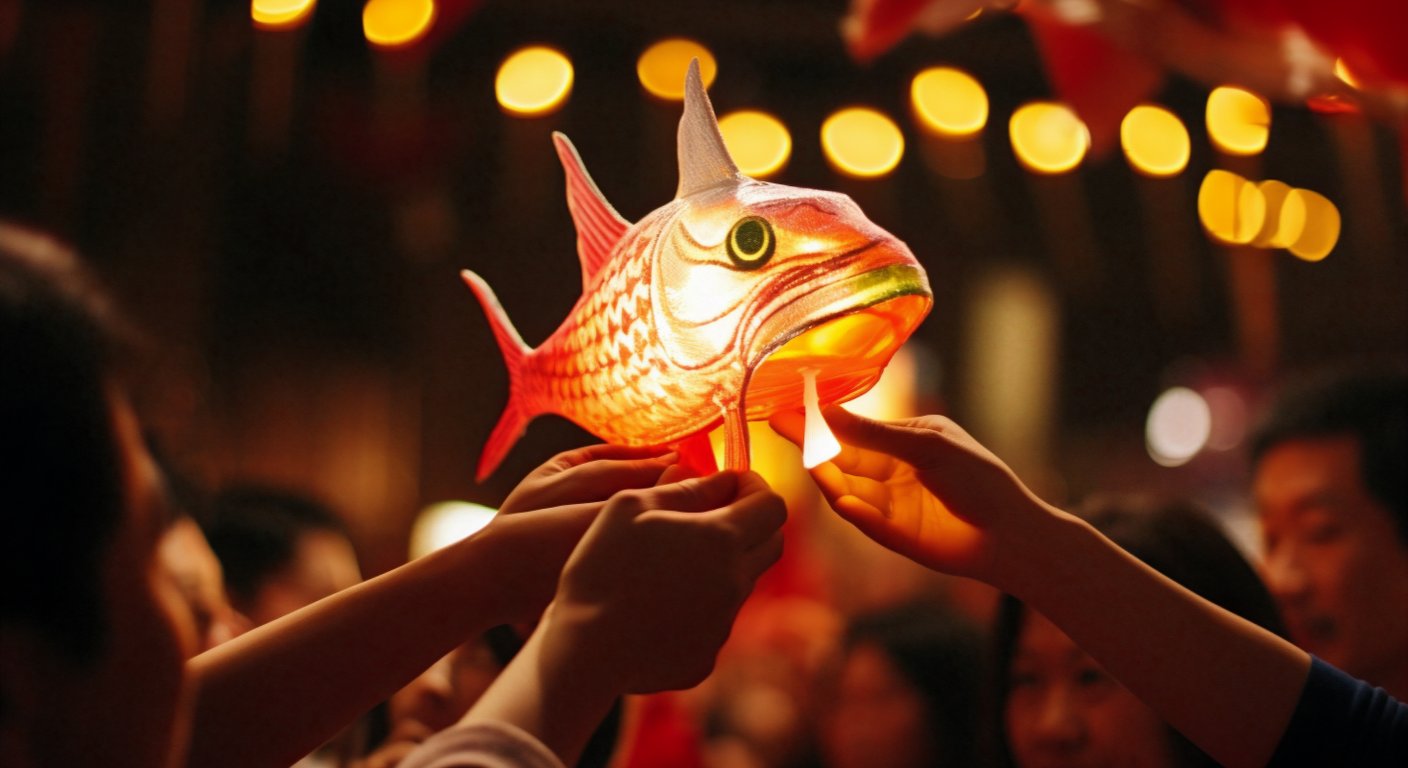
Discover Chinese fish lanterns: the 'surplus year' blessing you can carry, the bamboo-and-paper craft, and the four national heritage fish lantern dances from Shatoujiao to Qingtian.
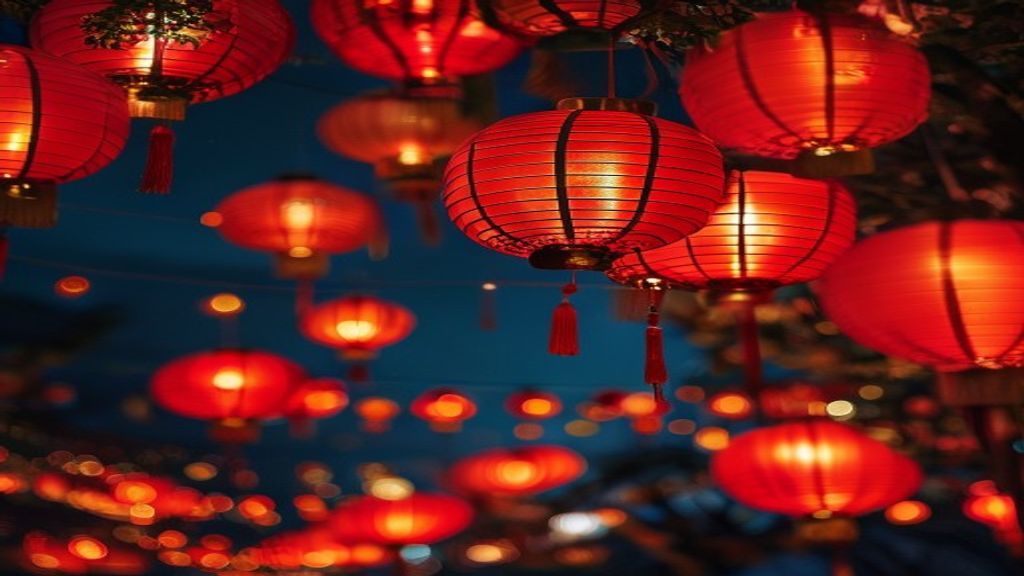
Learn what Chinese lanterns really symbolize — red for joy, roundness for reunion, light driving away darkness — and how color, shape and occasion carry different wishes.
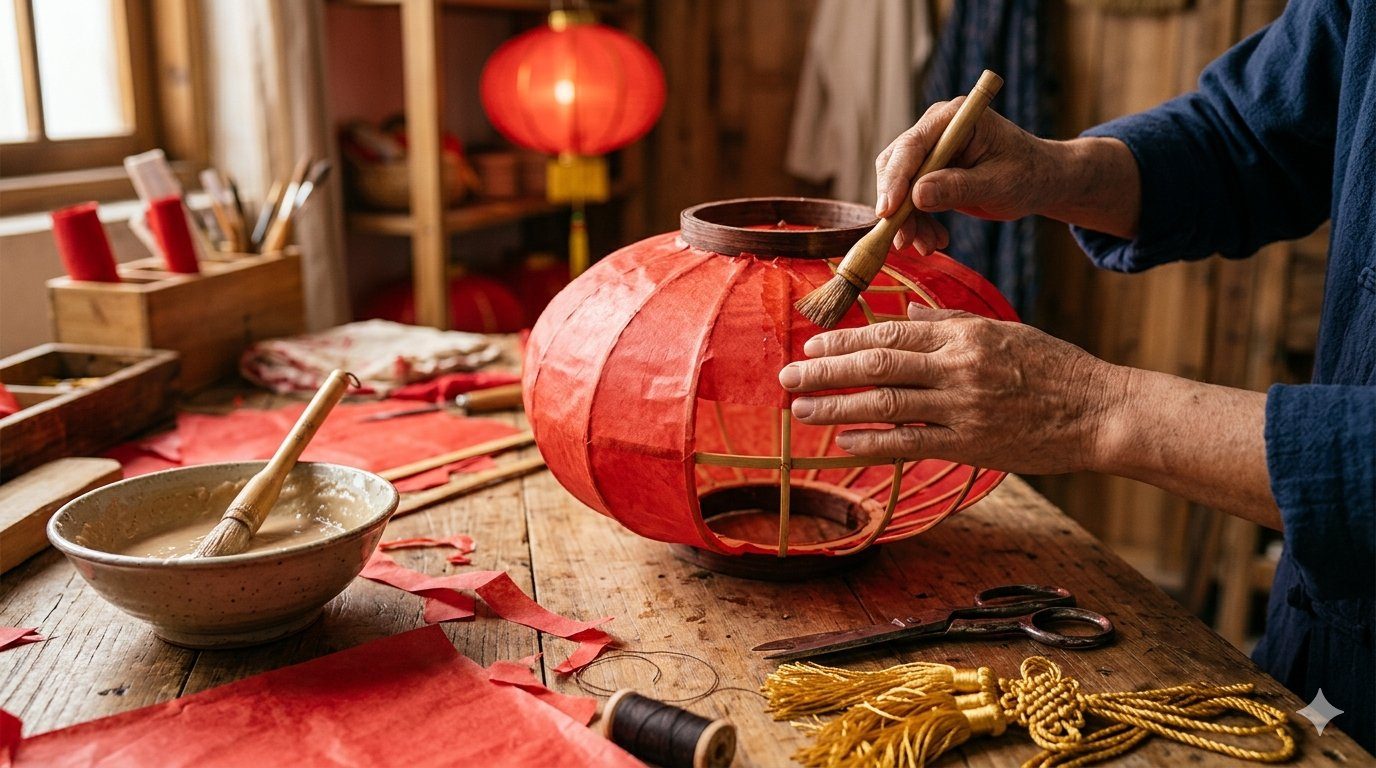
Make a classic red Chinese paper lantern in 15 minutes with paper, scissors, and glue — plus the heritage craft behind it, decorating ideas, and variations.
The Lantern Festival closes Chinese New Year with 2,000 years of history: lantern fairs, riddle games, sweet rice balls, and the first full moon.
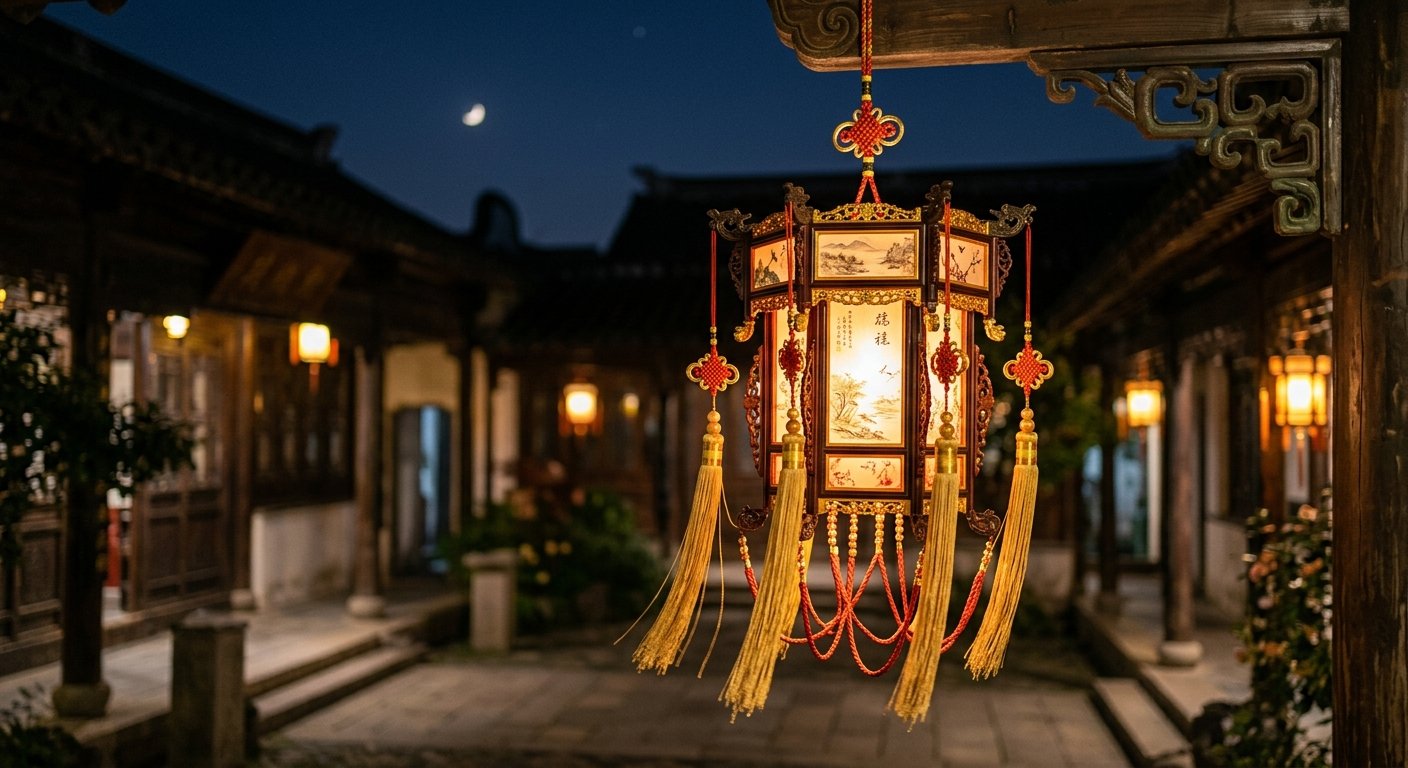
Meet three famous families of Chinese lanterns—palace lanterns, revolving lanterns, and red lanterns—and learn how materials, shape, and meaning turn a simple light into folk art.
Explore the Zigong Lantern Festival, from its Tang-Song roots in Sichuan's salt city to its rise as a global light-art phenomenon. Learn how the lanterns are made and what makes the show unforgettable.
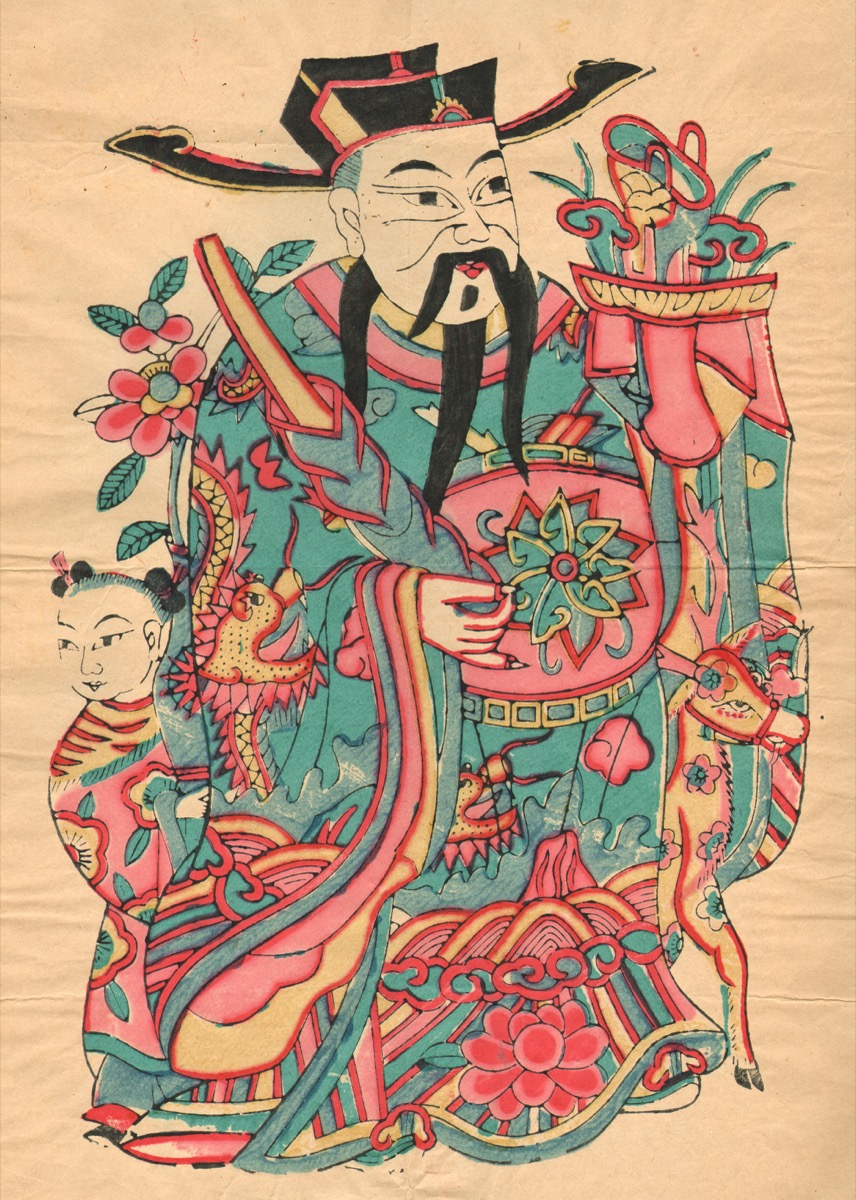
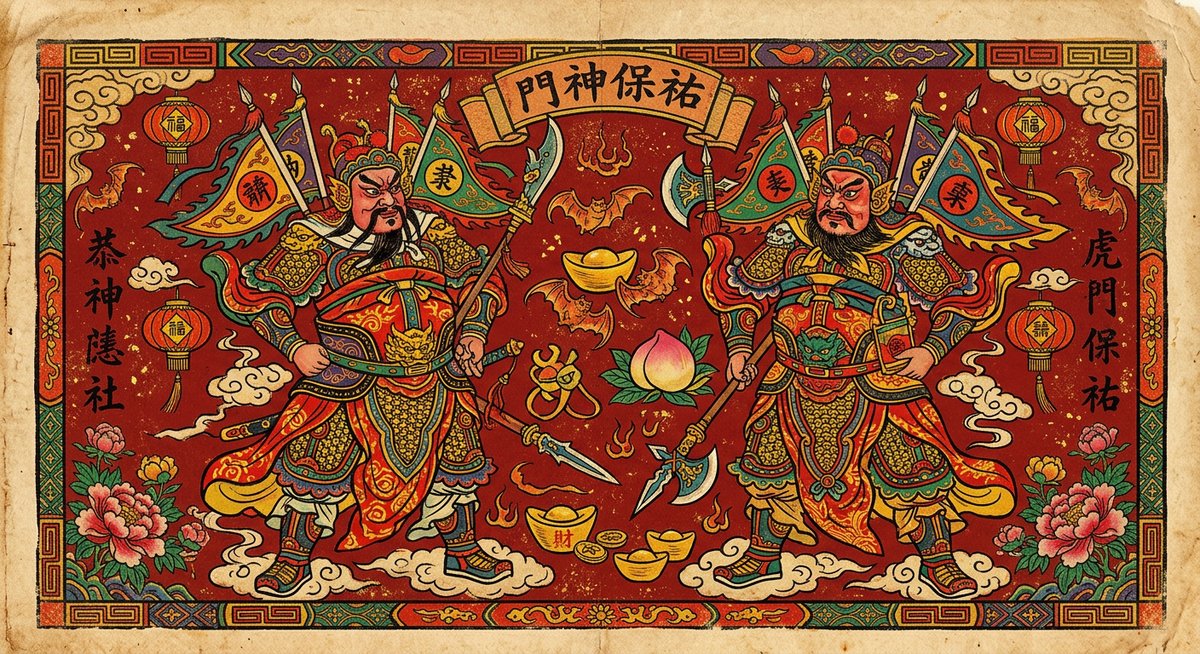
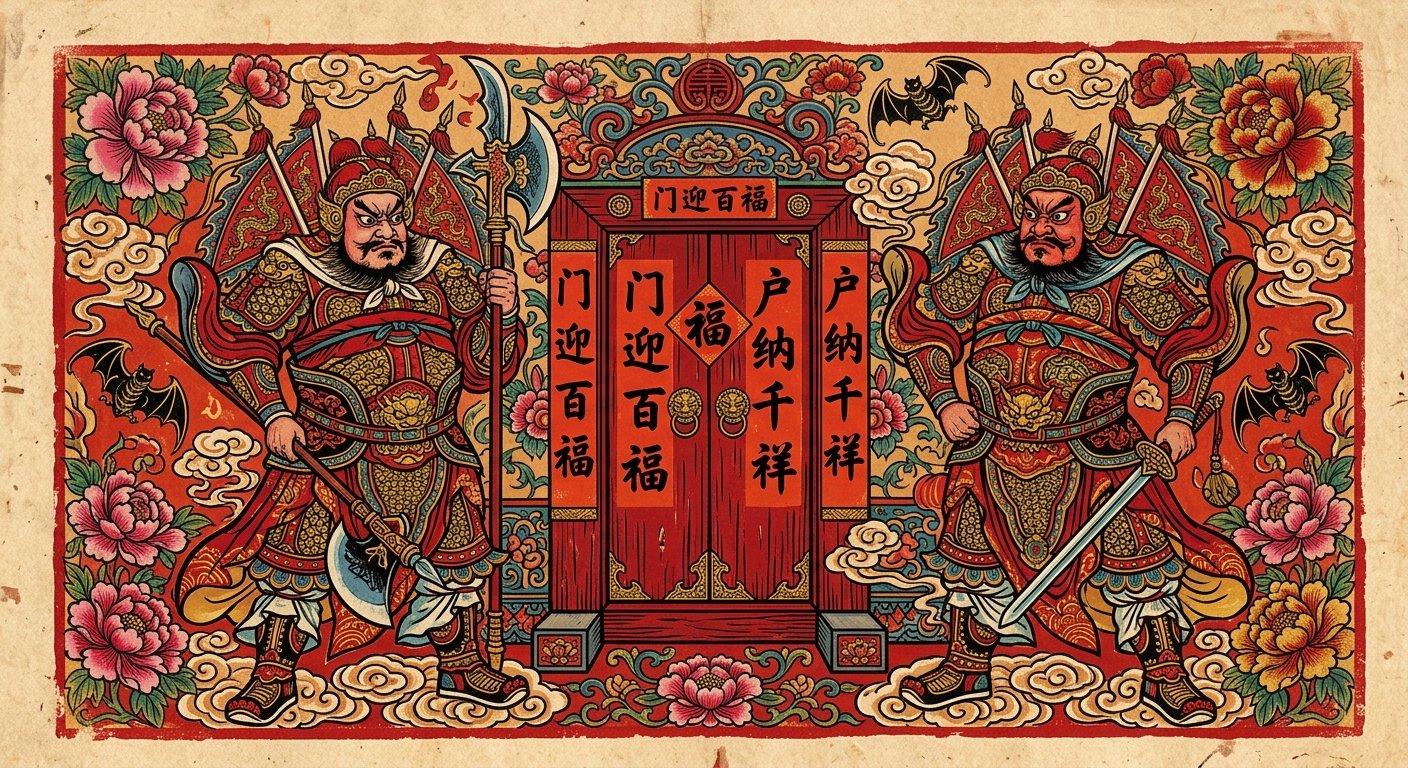
From ancient peachwood guardians to colorful woodblock prints, discover how Chinese New Year pictures turned every doorway into a blessing for the new year.
Discover how Chinese New Year pictures (nianhua) evolved from ancient door guardians into colorful woodblock prints that still bless homes every Spring Festival.
Explore Chinese woodblock New Year prints (nianhua): door gods, auspicious symbols, and the famous regional schools that turned Spring Festival doors into folk prayers.
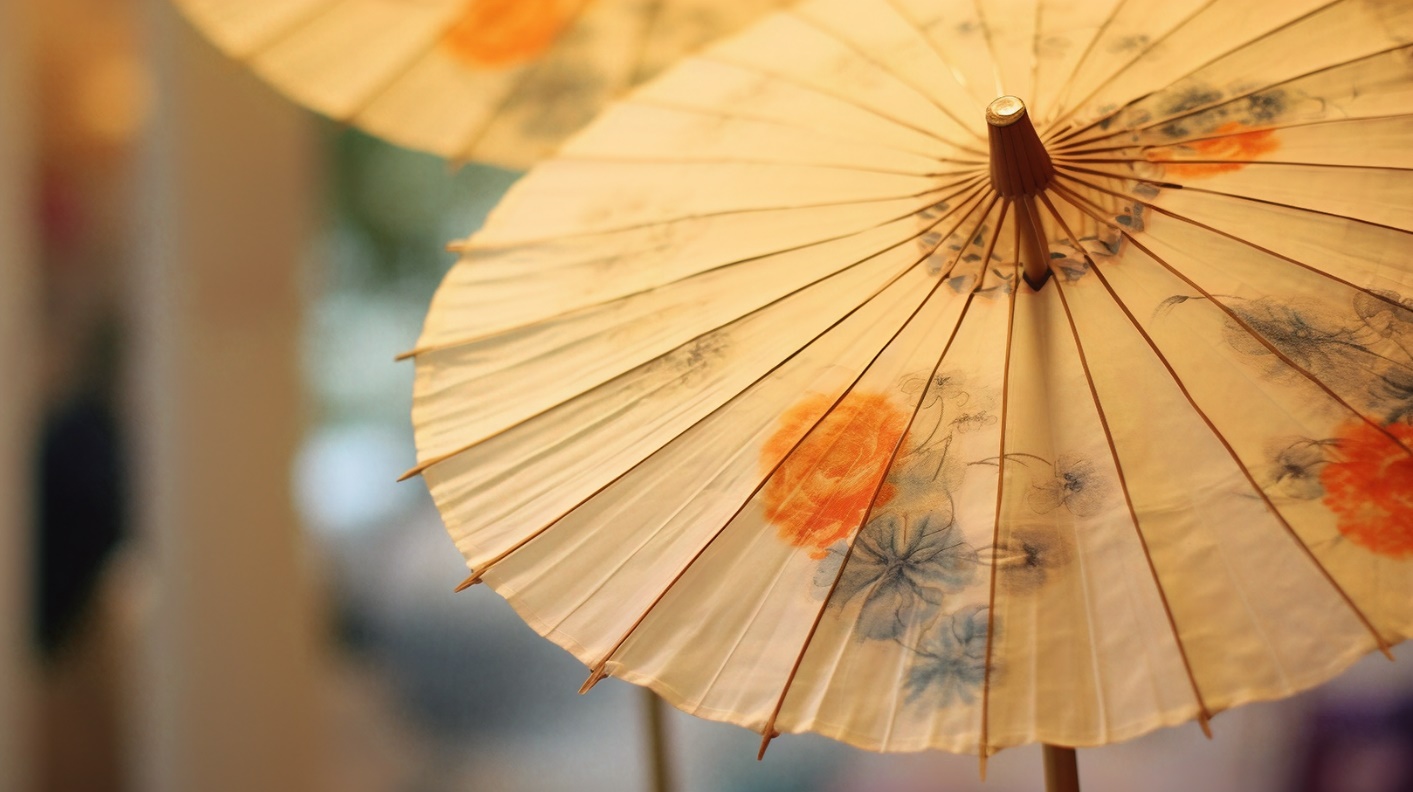
Explore the Chinese oil-paper umbrella, a waterproof work of art made from bamboo, paper, and tung oil. Learn its history, craft, and the meanings it carries at weddings and festivals.
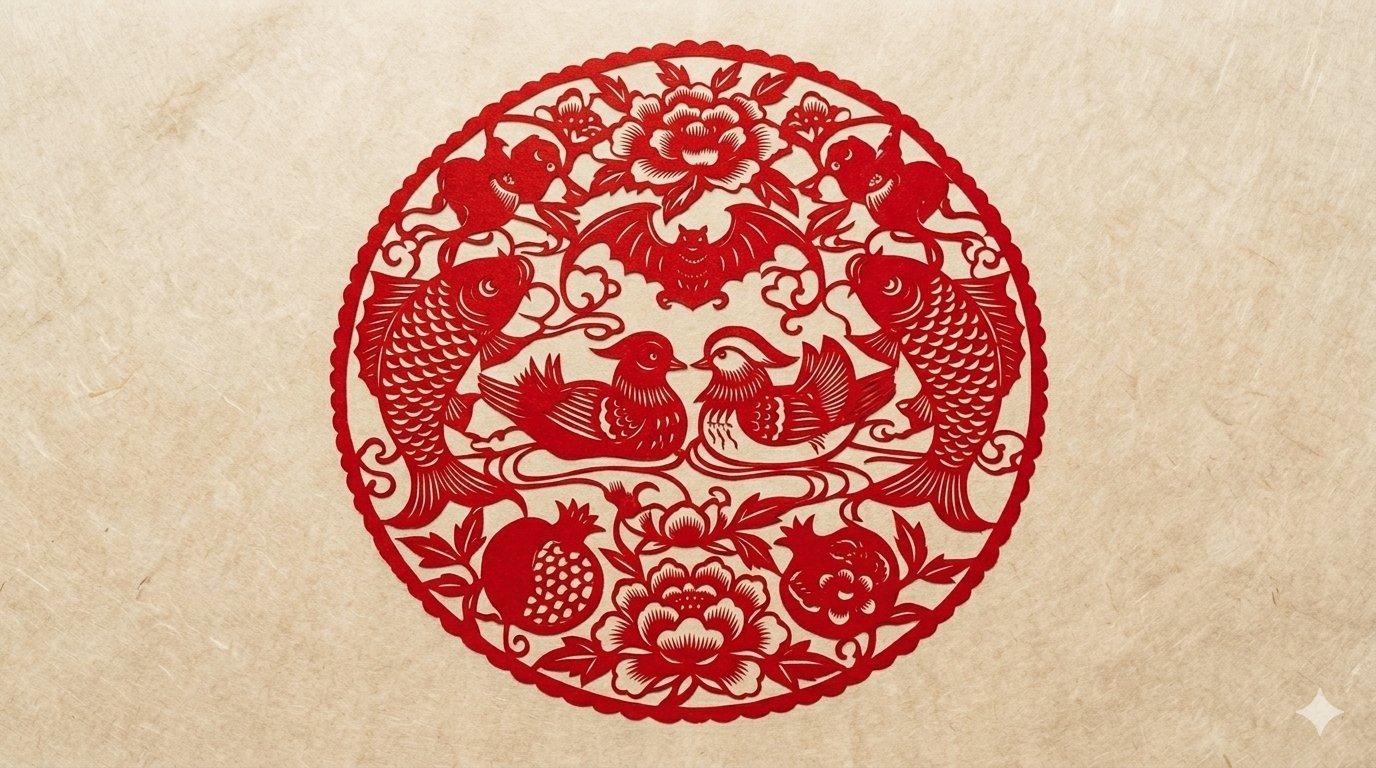
Bats, fish, peonies, peaches and more — decode the eight classic lucky motifs of Chinese paper cutting and the puns turning red paper into spoken wishes.
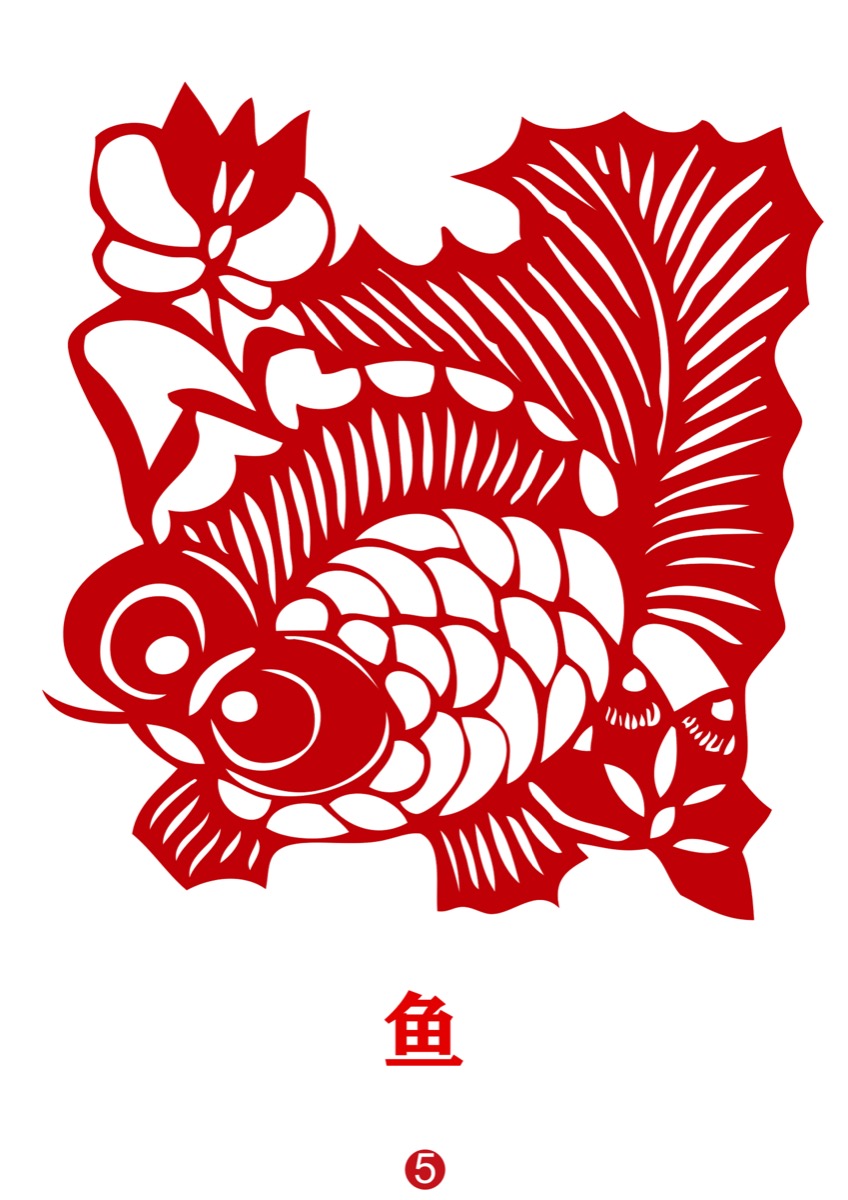
From bats to tigers to fish, Chinese paper cutters use animals to send blessings. Learn the real meanings behind the creatures in red paper.
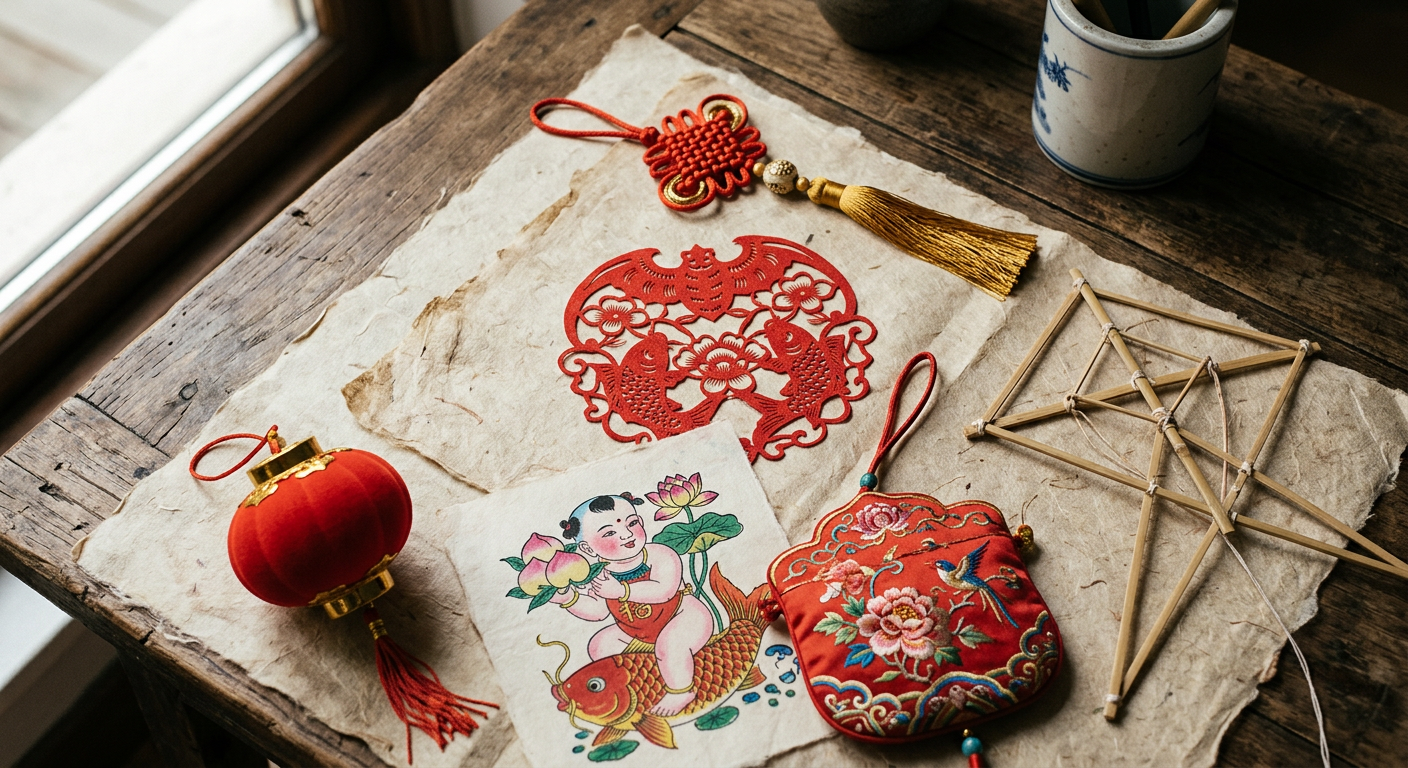
A comprehensive guide to Chinese folk crafts — paper cutting, Chinese knots, lanterns, New Year pictures, cloth art, and kites — their history, symbols, regional styles, and how they connect.
Why Chinese families paste red paper cuts on their windows for New Year, what the classic designs mean, and how a simple window becomes a lantern of good wishes.
From 1,500-year-old tomb medallions to UNESCO recognition in 2009 — how Chinese paper cutting evolved through the dynasties into a living folk art.
Download free printable Chinese paper-cutting templates in PDF. Fu, Shou, Xi, animals, flowers, and more — ready to print on A4 paper for Spring Festival, weddings, and birthdays.
Download all 12 Chinese zodiac paper-cutting templates free: rat, ox, tiger, rabbit, dragon, snake, horse, goat, monkey, rooster, dog, and pig. A4 and US Letter PDFs.
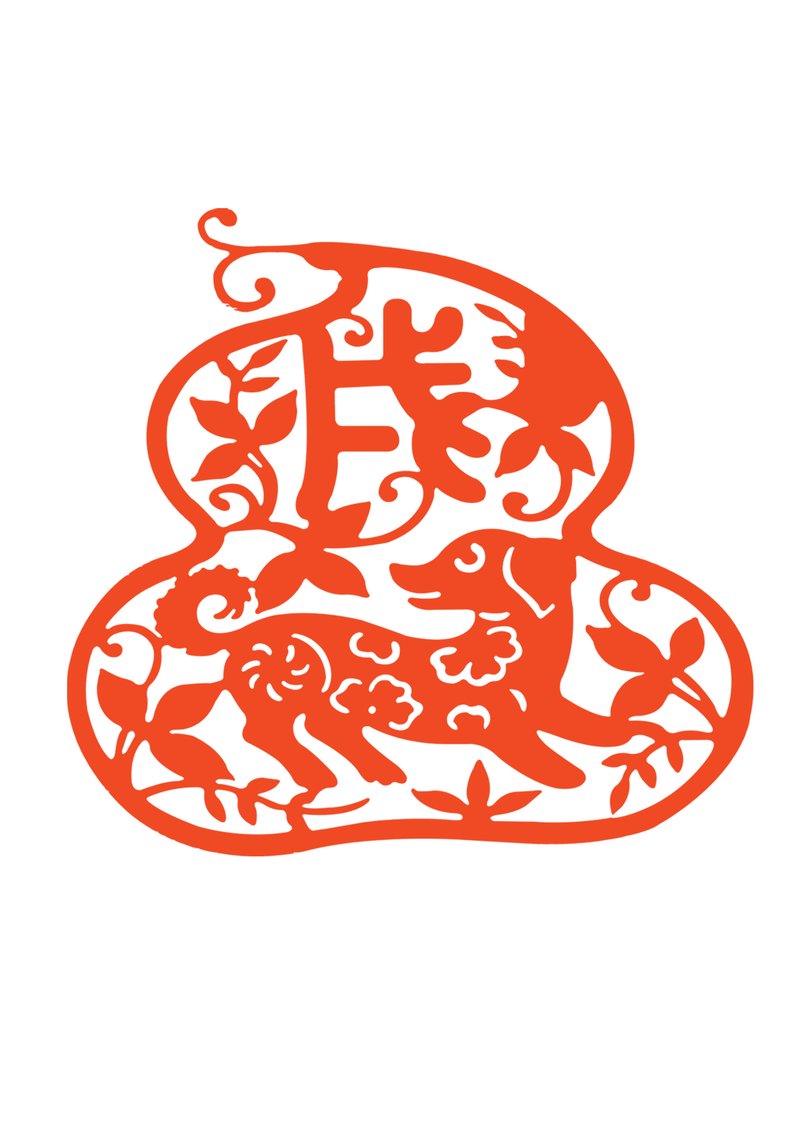
Download a free traditional Chinese dog paper-cutting template, the loyal guardian whose bark sounds like the word for 'prosperity.' Print-ready A4 and US Letter PDF.
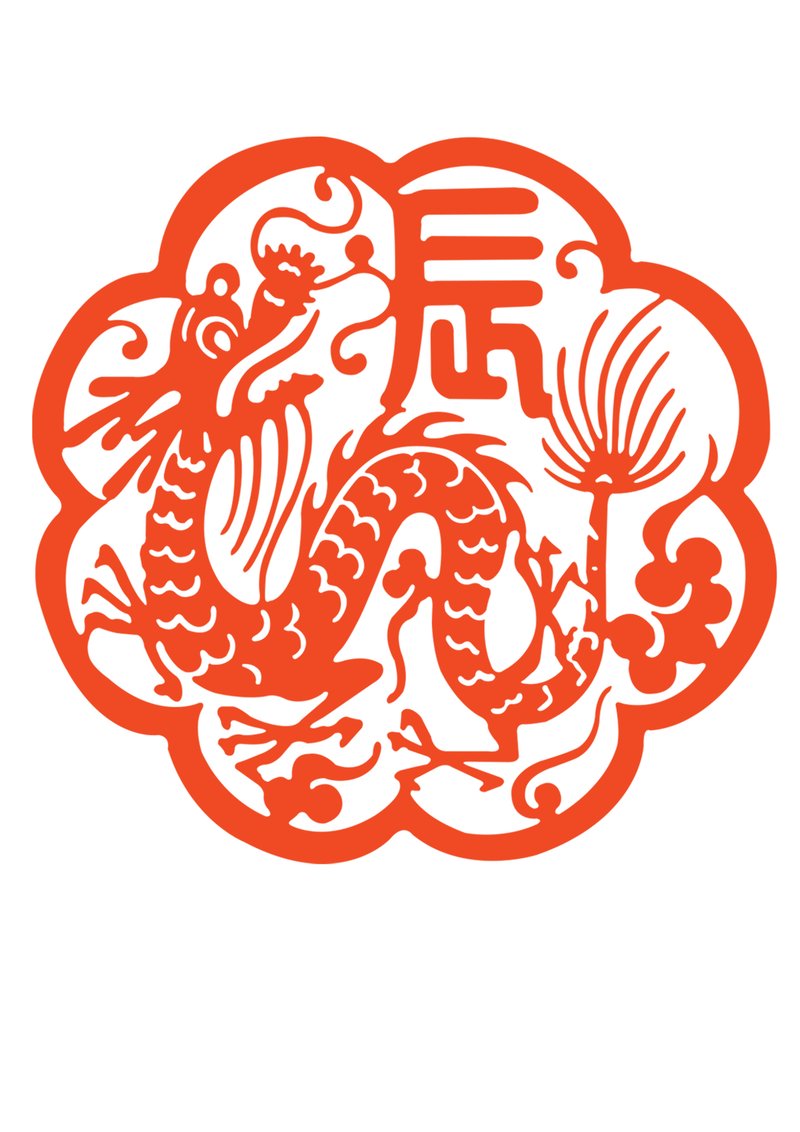
Download a free traditional Chinese dragon paper-cutting template. Print-ready A4 and US Letter PDF with cultural meaning, difficulty notes, and cutting instructions.
Peonies, lotus, chrysanthemums, and plum blossoms — the flowers in Chinese paper cuts are never just pretty. Each one carries a wish.
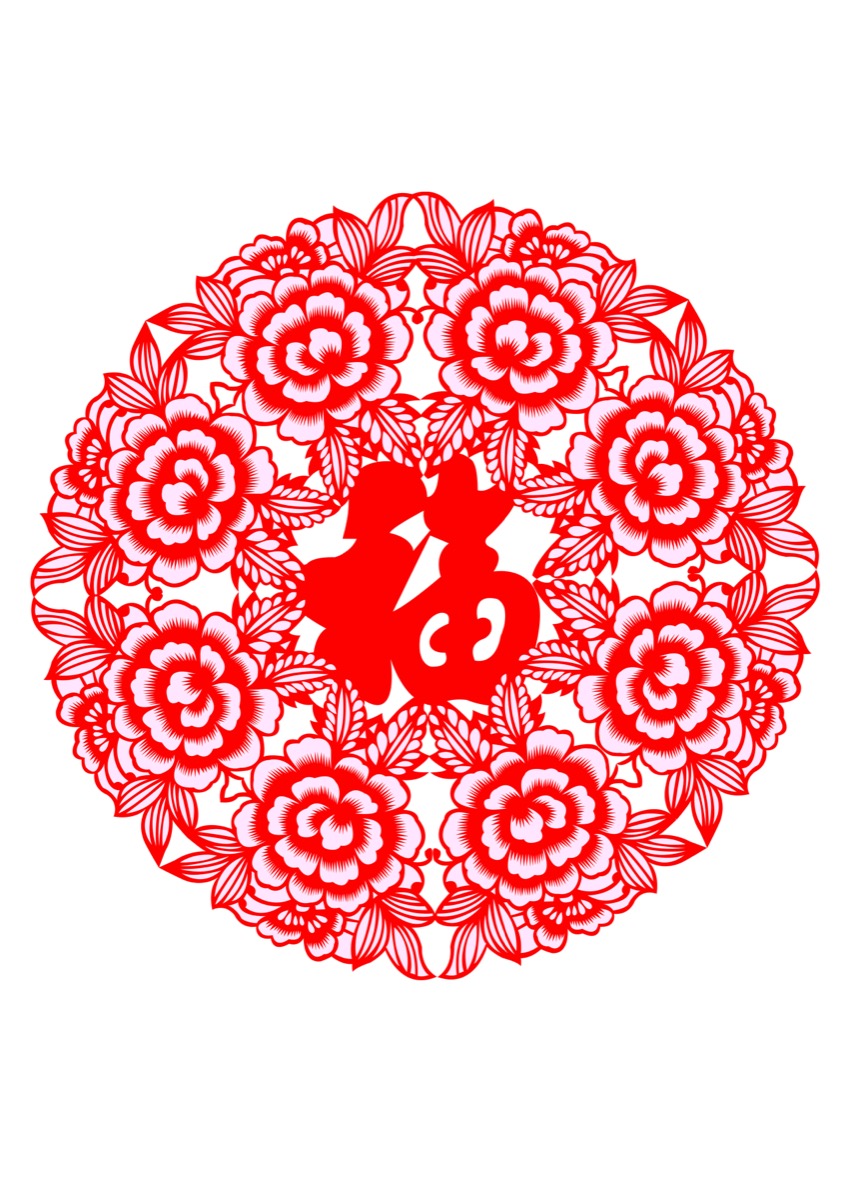
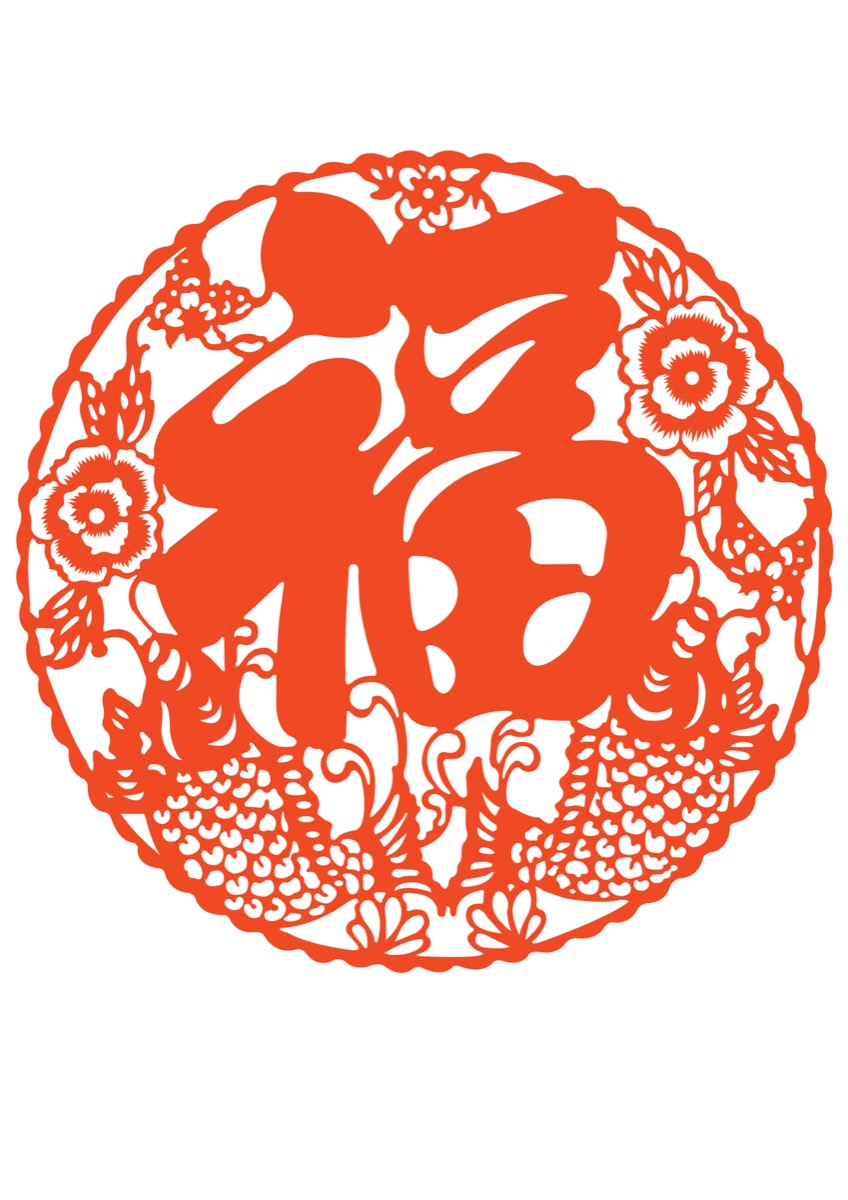
Download three free Fu character paper-cutting templates. Learn why the Fu (福) symbol is pasted upside down at Chinese New Year and how to cut your own blessing.
The three stars of Chinese folk belief — Fu, Lu, and Shou — appear everywhere in paper cutting. Learn what each star means and how cutters picture them.
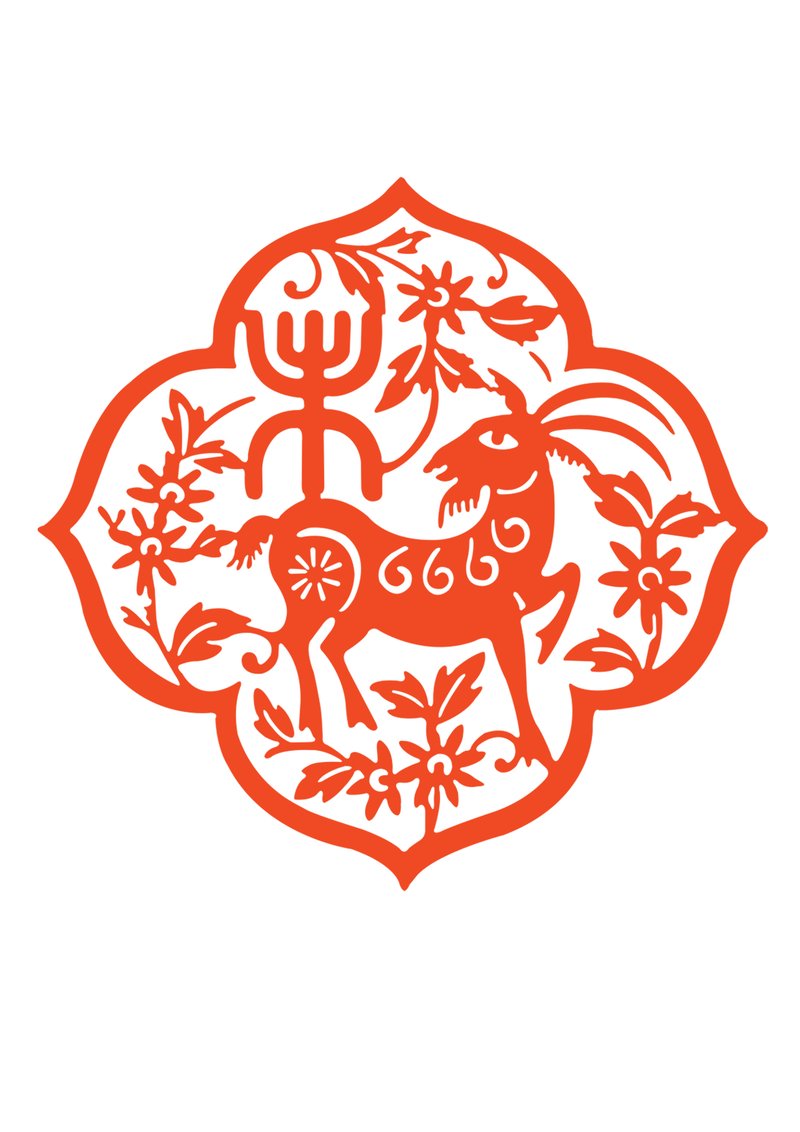
Download a free traditional Chinese goat paper-cutting template celebrating the 'three goats bring prosperity' New Year blessing. Print-ready A4 and US Letter PDF.
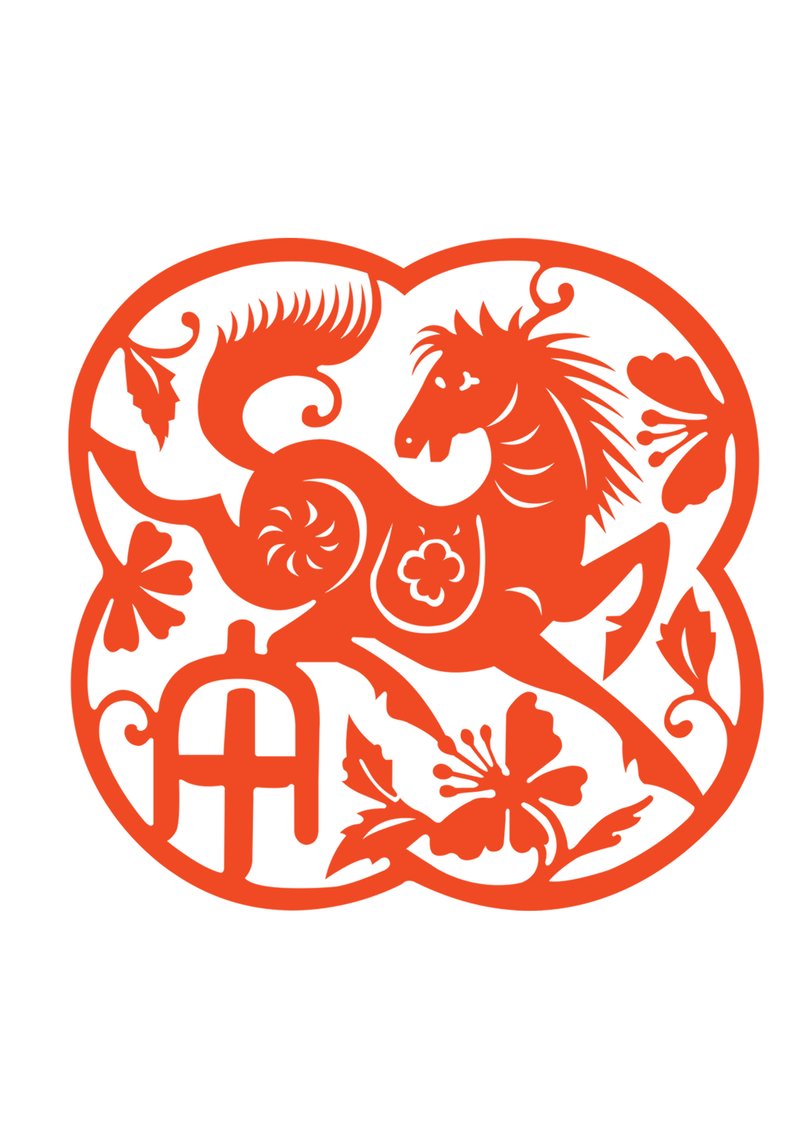
Download a free traditional Chinese horse paper-cutting template of the zodiac sign whose arrival promises success. Print-ready A4 and US Letter PDF.
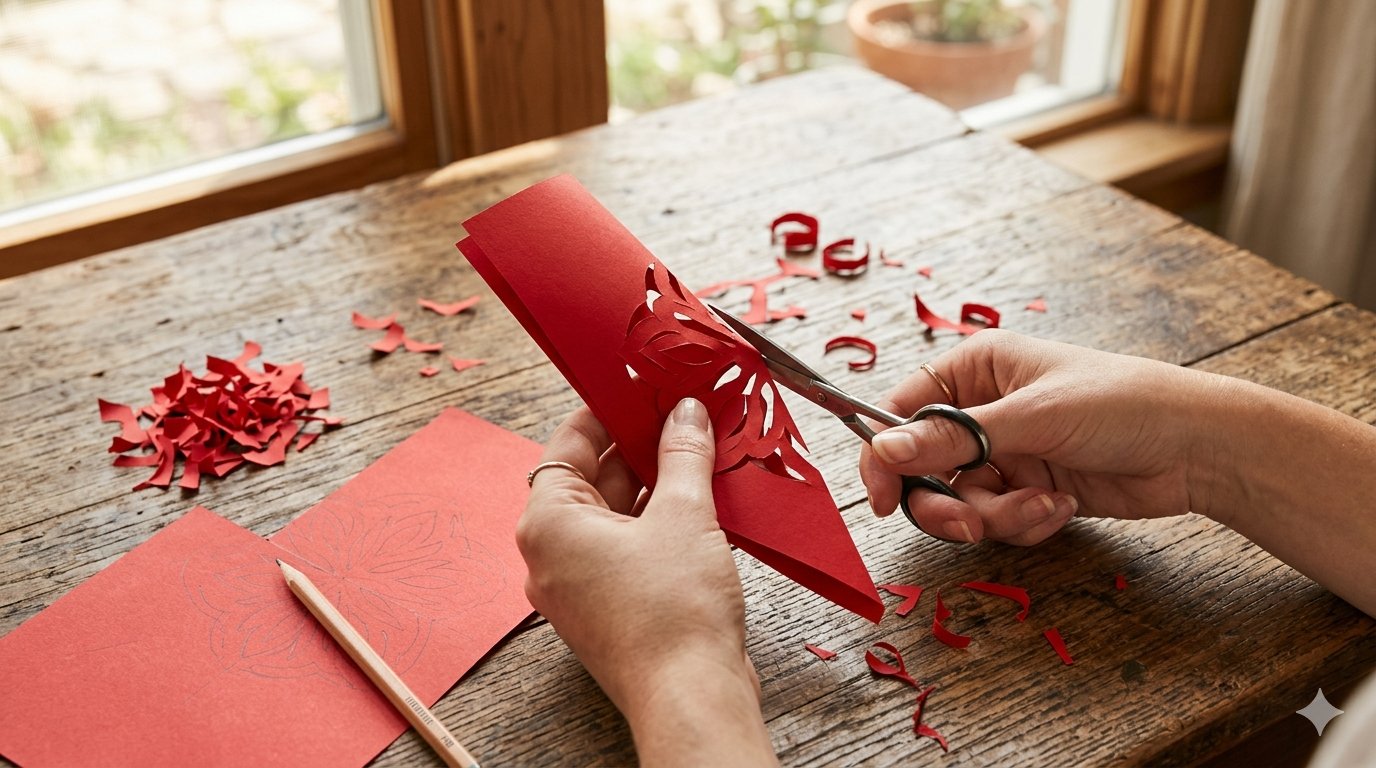
Fold, cut, unfold — make your first Chinese paper cut with red paper and scissors, learn the yin and yang cuts, and display your work the traditional way.
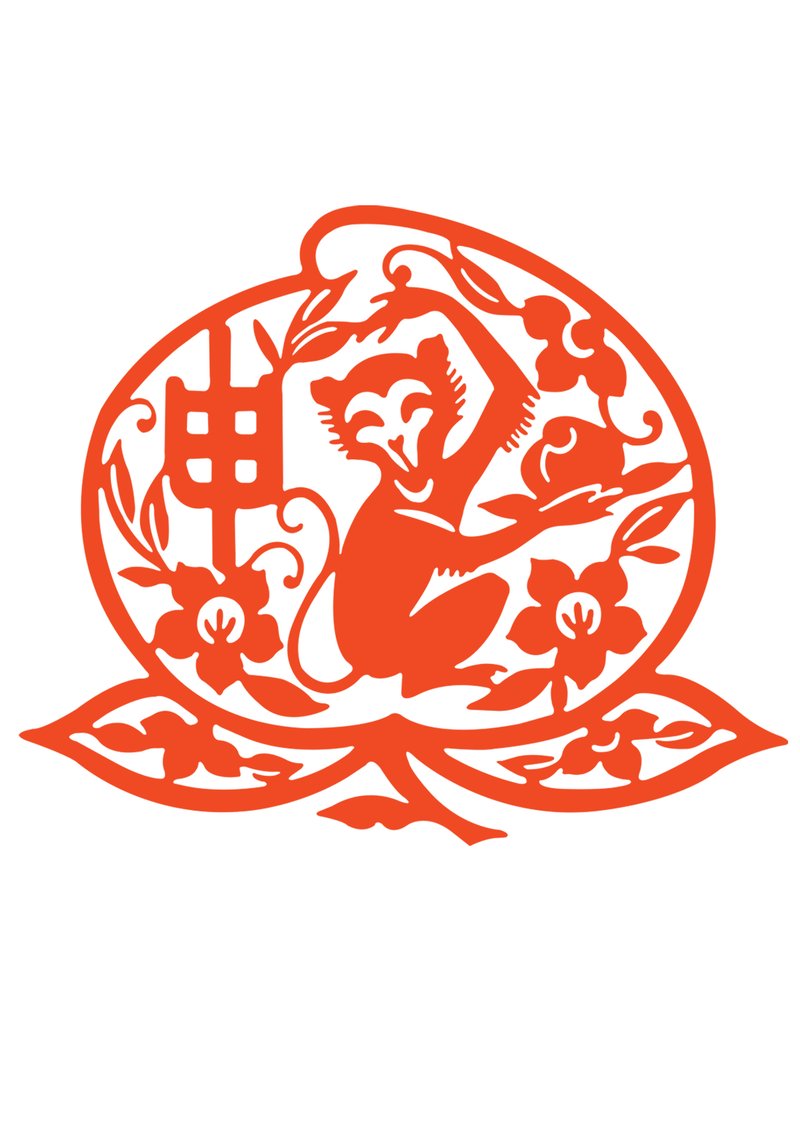
Download a free traditional Chinese monkey paper-cutting template — the zodiac's quick-witted sign, beloved through the Monkey King. Print-ready A4 and US Letter PDF.
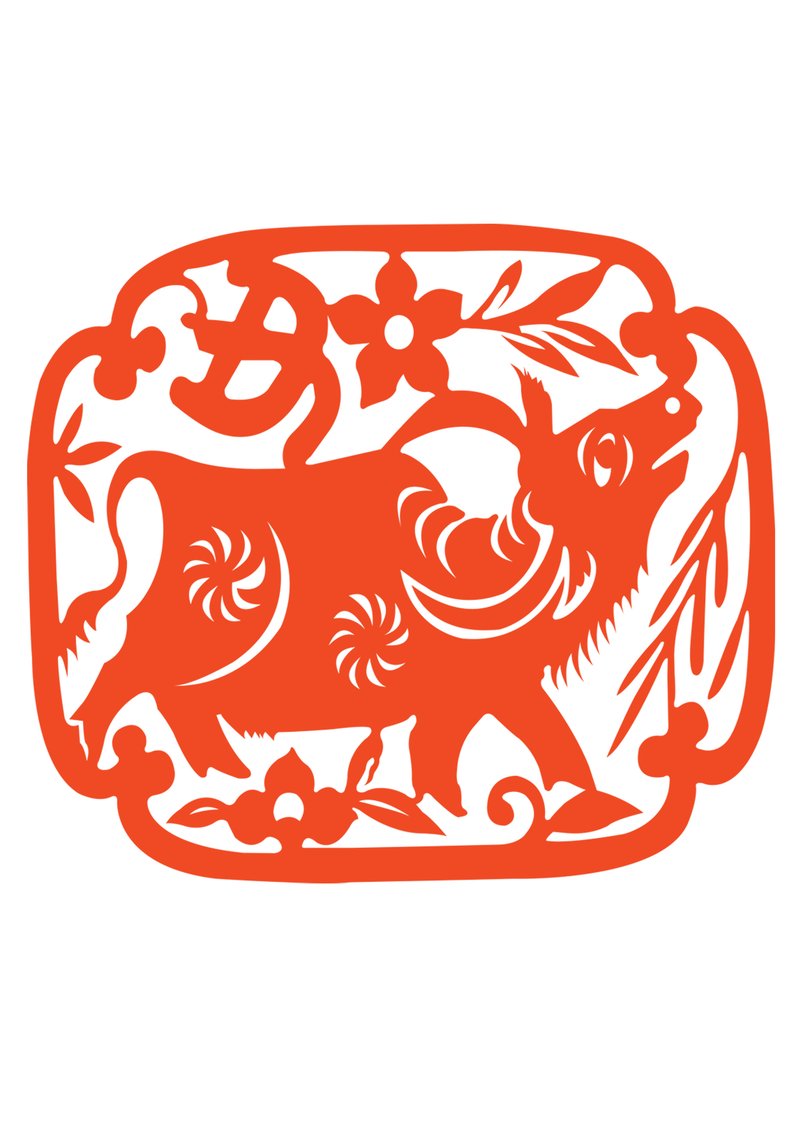
Download a free traditional Chinese ox paper-cutting template honoring the zodiac sign of diligence, steadiness, and the spring-plowing year. Print-ready A4 and US Letter PDF.
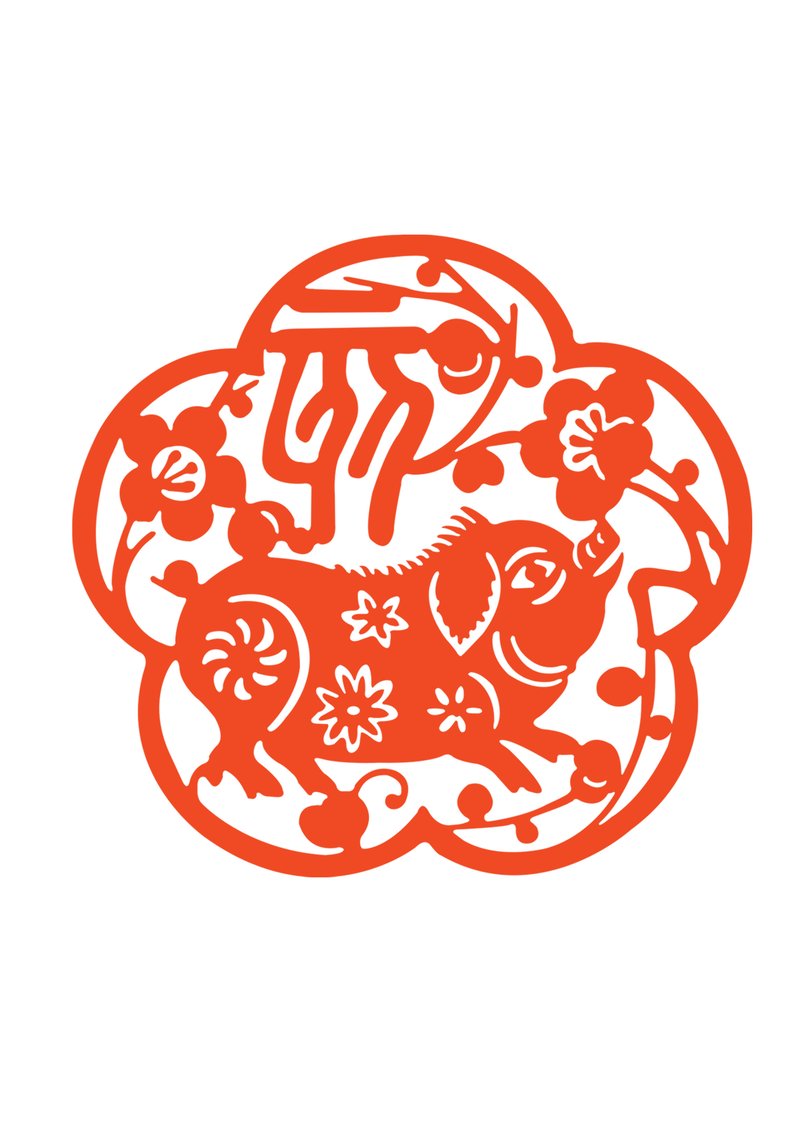
Download a free traditional Chinese pig paper-cutting template, the round symbol of wealth whose arrival means fortune at the gate. Print-ready A4 and US Letter PDF.
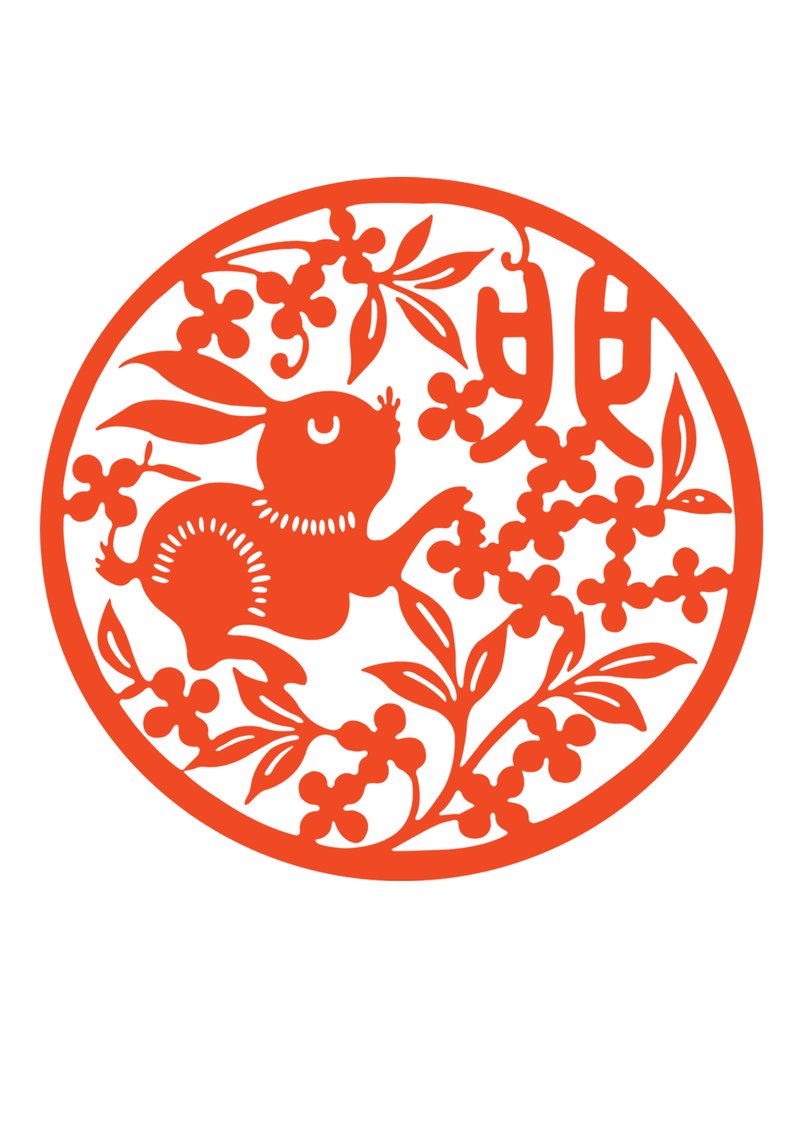
Download a free traditional Chinese rabbit paper-cutting template of the zodiac's gentle sign, companion of the Jade Rabbit on the moon. Print-ready A4 and US Letter PDF.
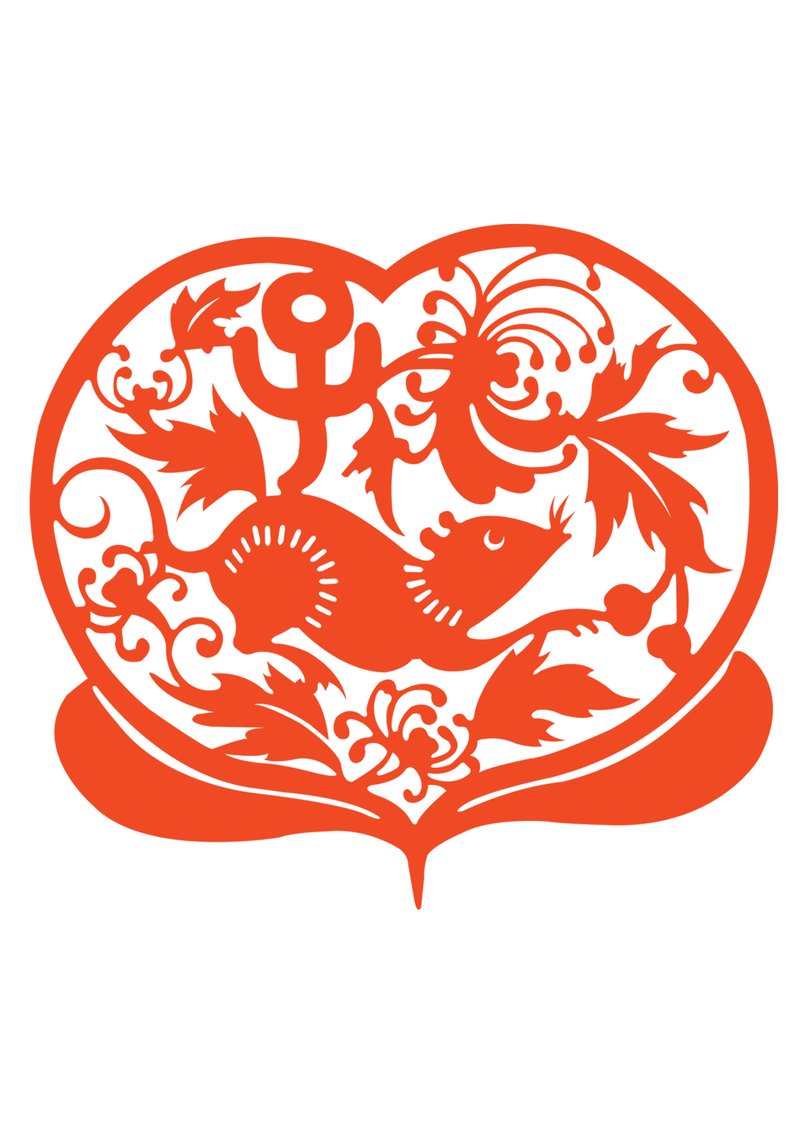
Download a free traditional Chinese rat paper-cutting template celebrating the clever first sign of the zodiac. Print-ready A4 and US Letter PDF.
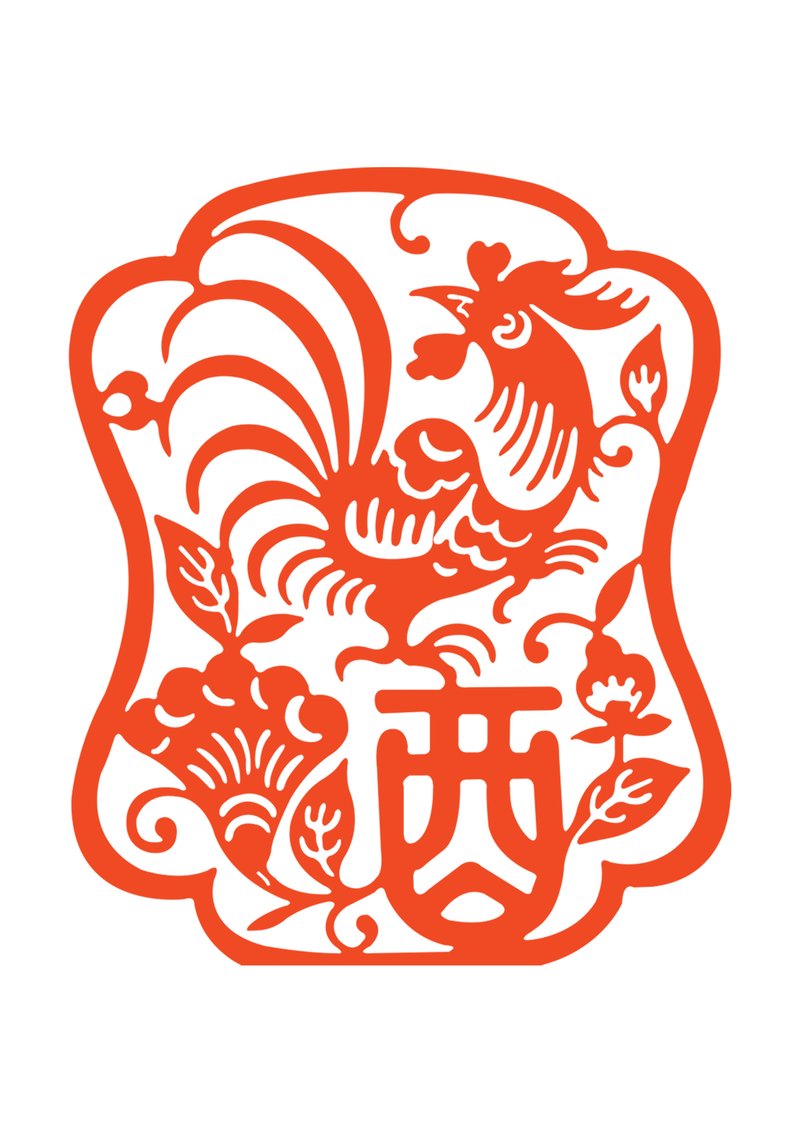
Download a free traditional Chinese rooster paper-cutting template, the dawn bird whose very name puns with good luck. Print-ready A4 and US Letter PDF.
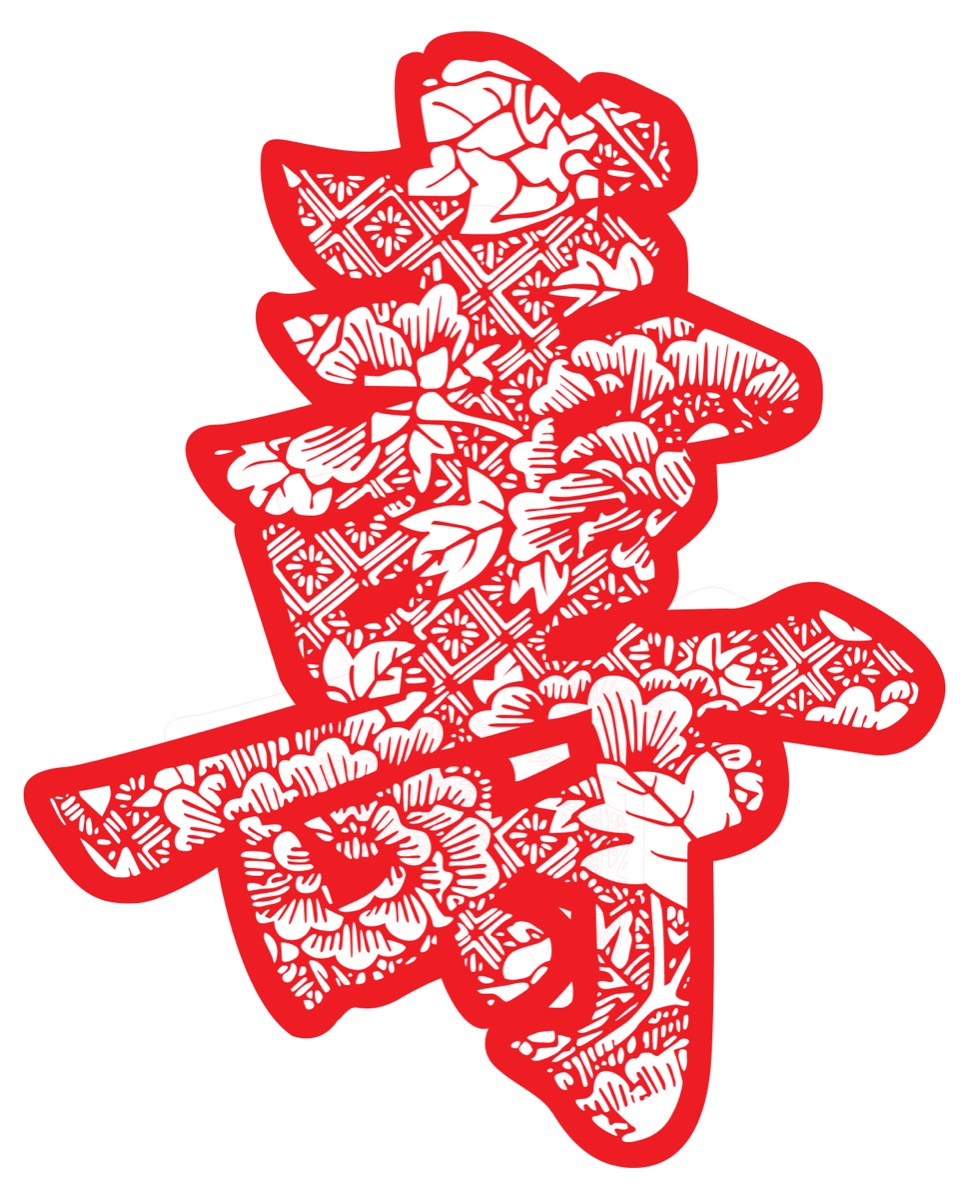
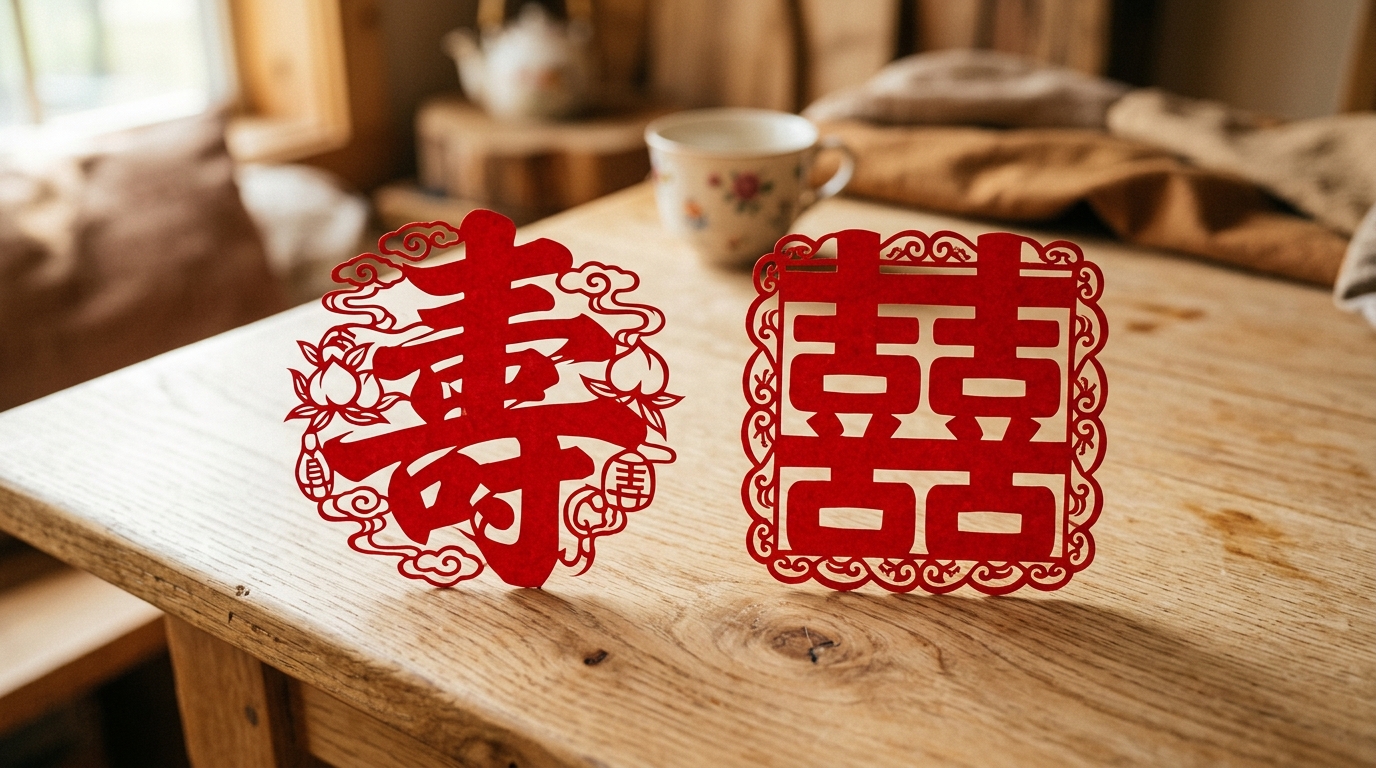
Download free Shou and Xi paper-cutting templates. Learn the meanings behind Chinese longevity and double-happiness symbols and how to cut them yourself.
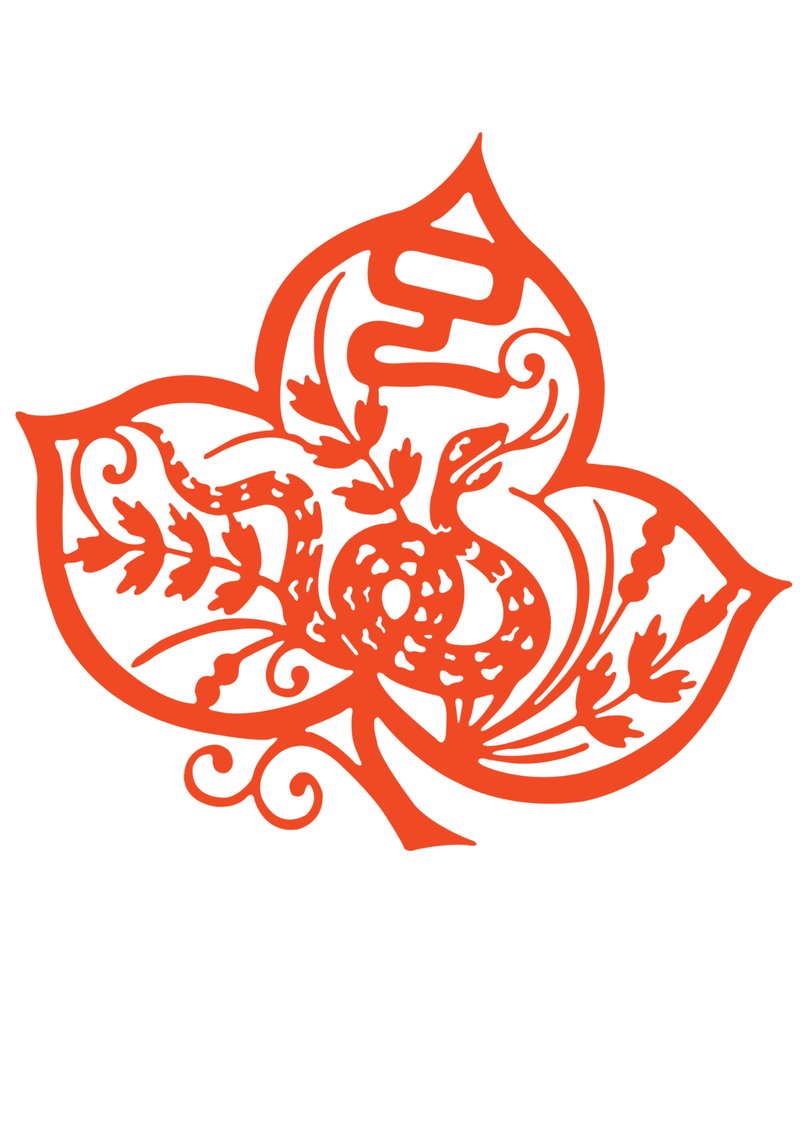
Download a free traditional Chinese snake paper-cutting template of the zodiac's 'little dragon,' a symbol of wisdom and renewal. Print-ready A4 and US Letter PDF.
Why red paper? What do the bats and fish mean? Discover how rural Chinese women spoke through scissors, turning cut paper into a language of blessings.
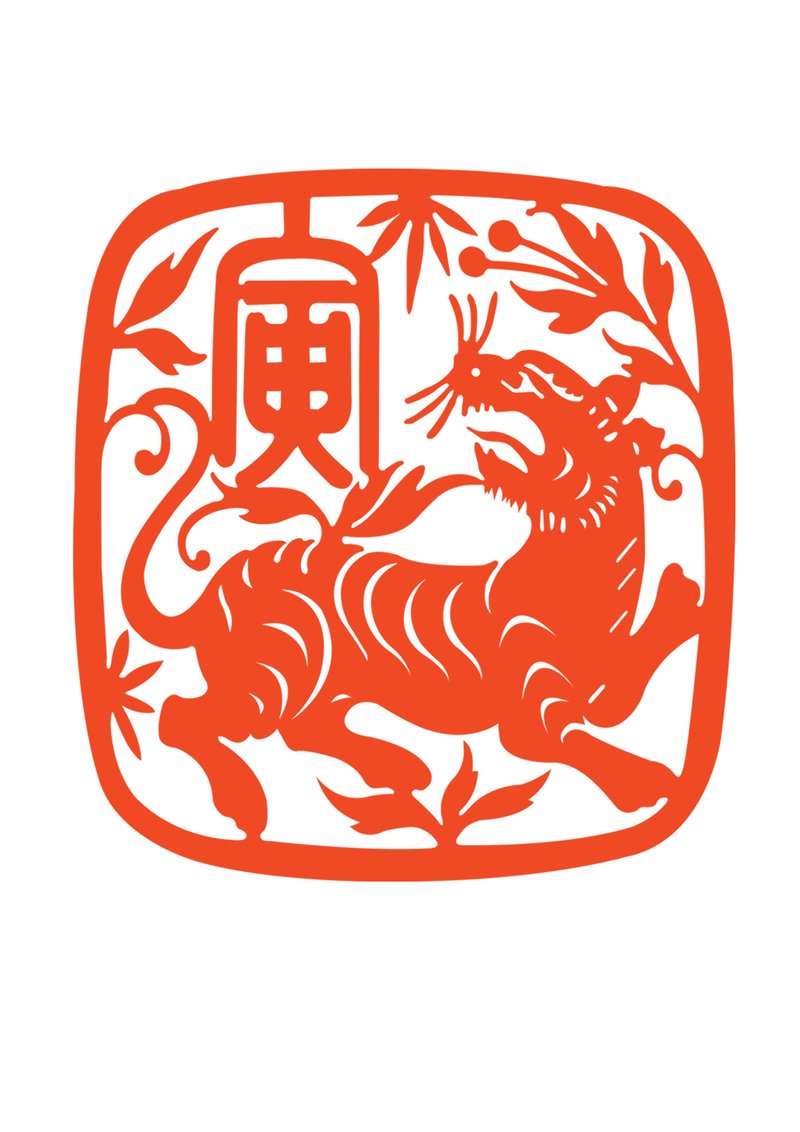
Download a free traditional Chinese tiger paper-cutting template of the zodiac's fearless guardian, long trusted to protect children and doorways. Print-ready A4 and US Letter PDF.
Chinese paper cutting is not one art but many. Learn how cutters divide the craft by technique, color, use, region, and subject — and what each style means.
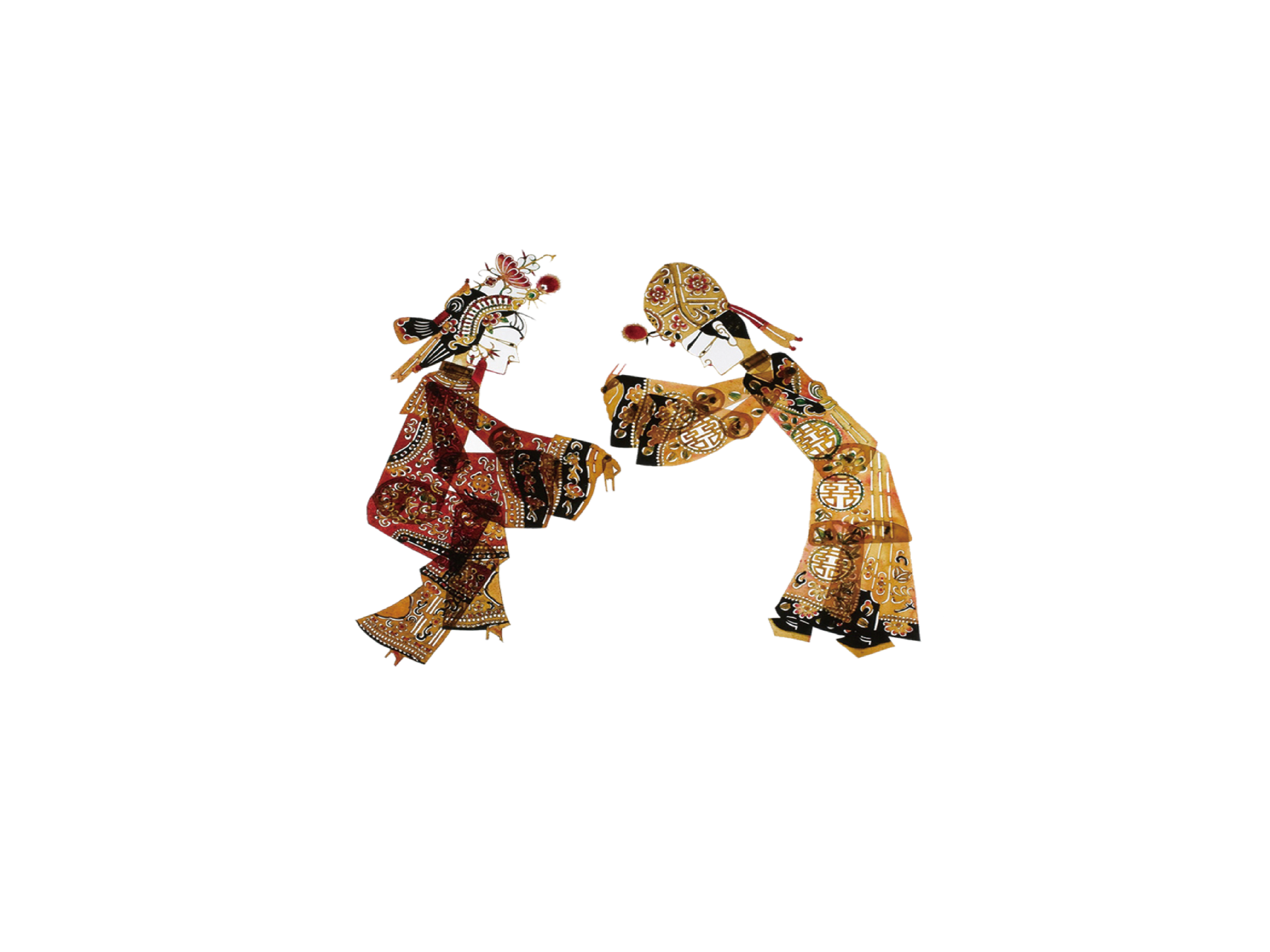
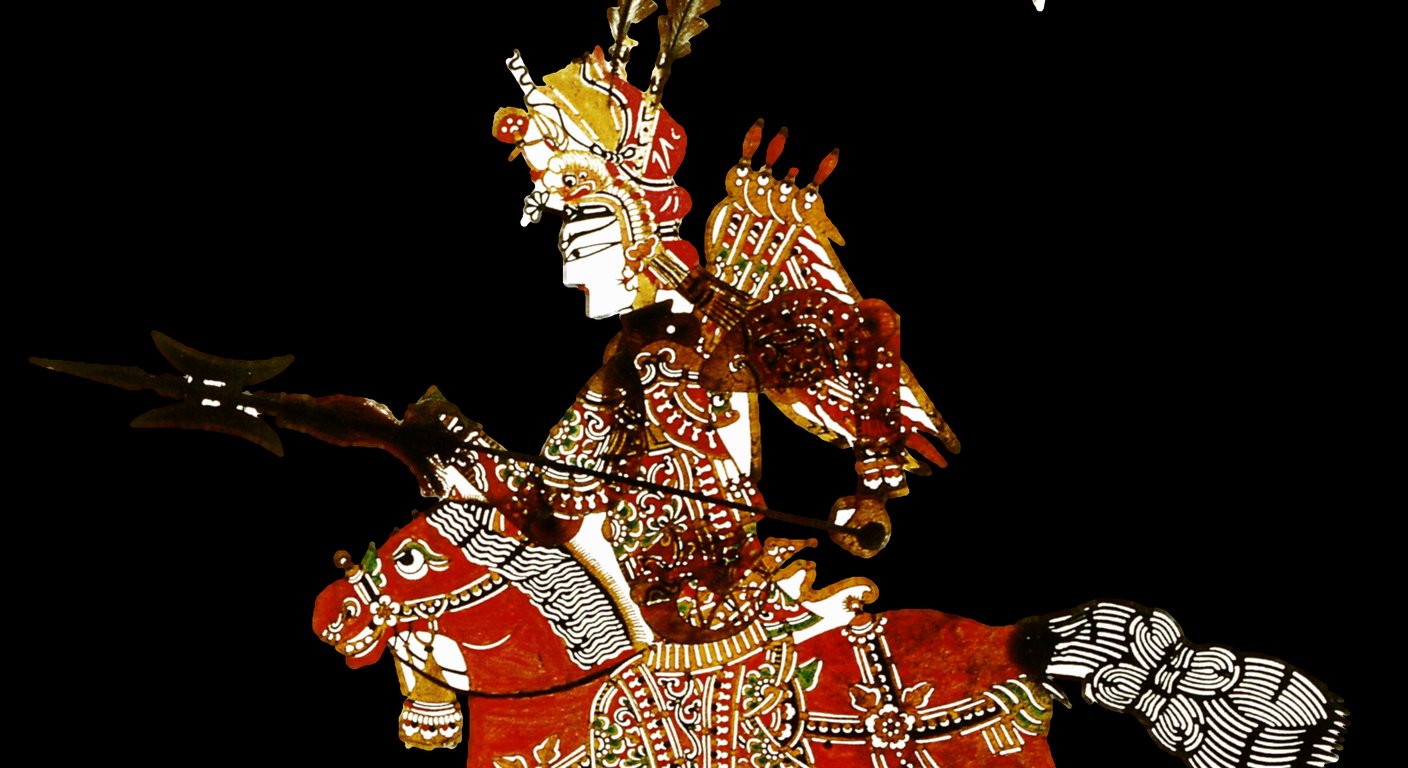
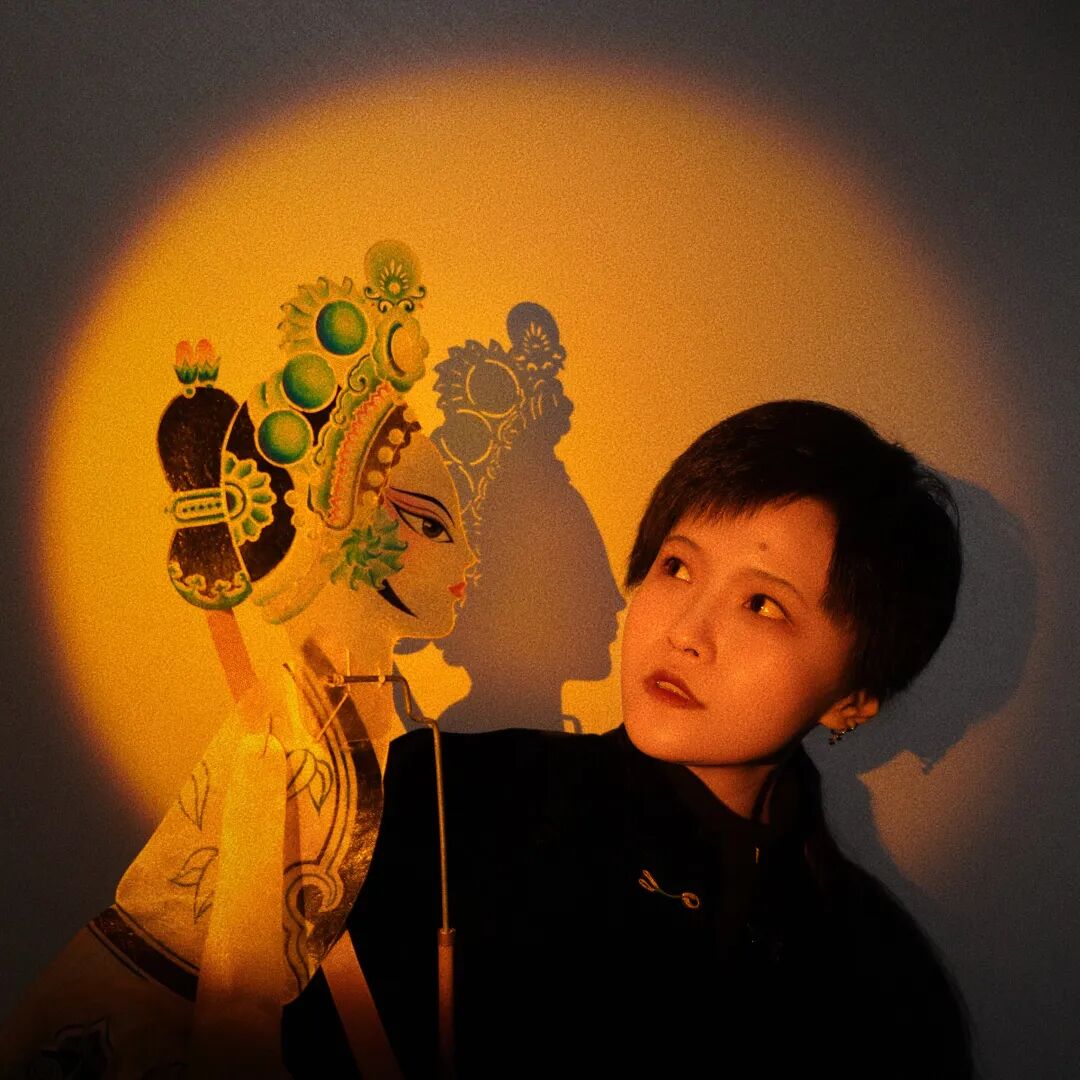
Discover Chinese shadow puppetry, an ancient art where carved leather figures come alive behind a white screen. Learn its history, craft, and why it is called a living fossil of Chinese opera.
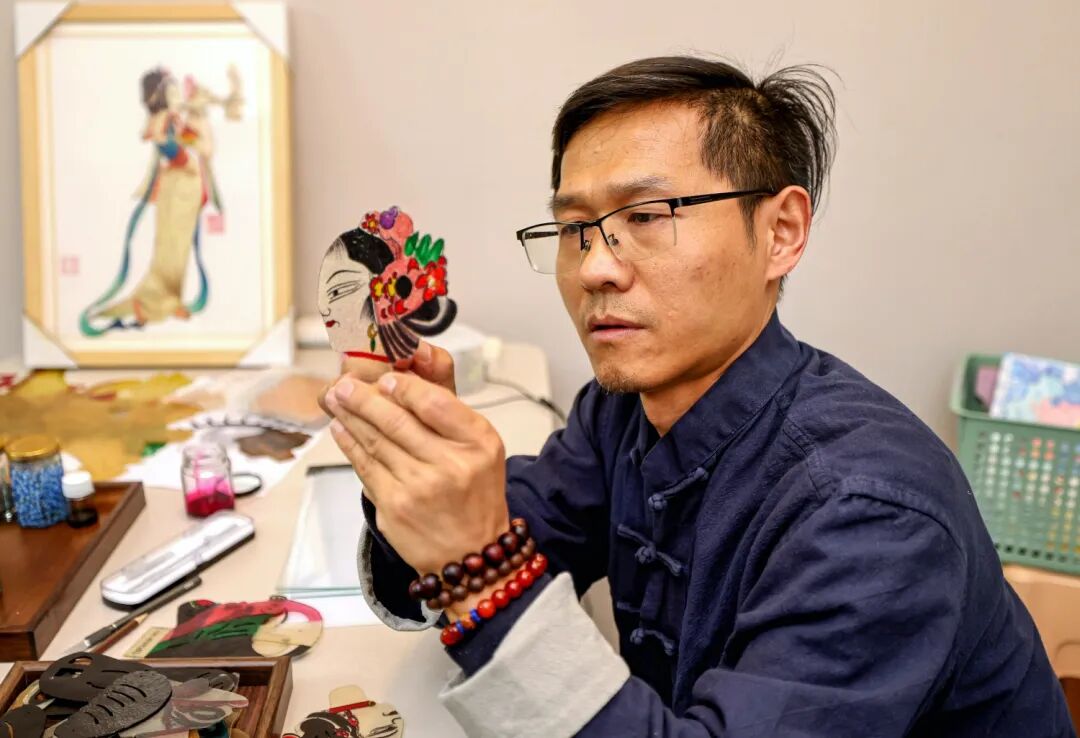
Follow the traditional 8-step process behind Chinese shadow puppets — from curing cowhide to 3,000 knife cuts and five-color painting — then make a simple cardboard shadow puppet with kids.
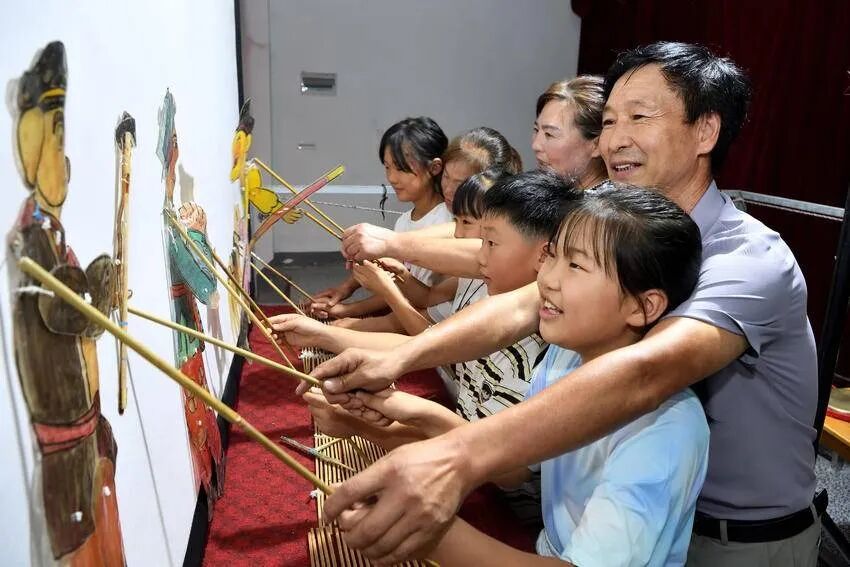
Meet Meng Zhaodong, fifth-generation inheritor of southern Henan shadow puppetry: a one-person art of singing, acting, and carving, carried from Gushi's villages to the United Nations.
Meet Sun Bingqing of the Beijing Shadow Puppet Troupe: a Peking-opera-trained, post-90s artist who carves cowhide by hand, tours the world, and remixes shadow play with South American music.
Meet Zou Guichang, sixth-generation inheritor of Baokang's one-armed shadow puppetry: three years on foot tracing six generations, 1.5 million yuan of his own money, and a troupe rebuilt from six students.