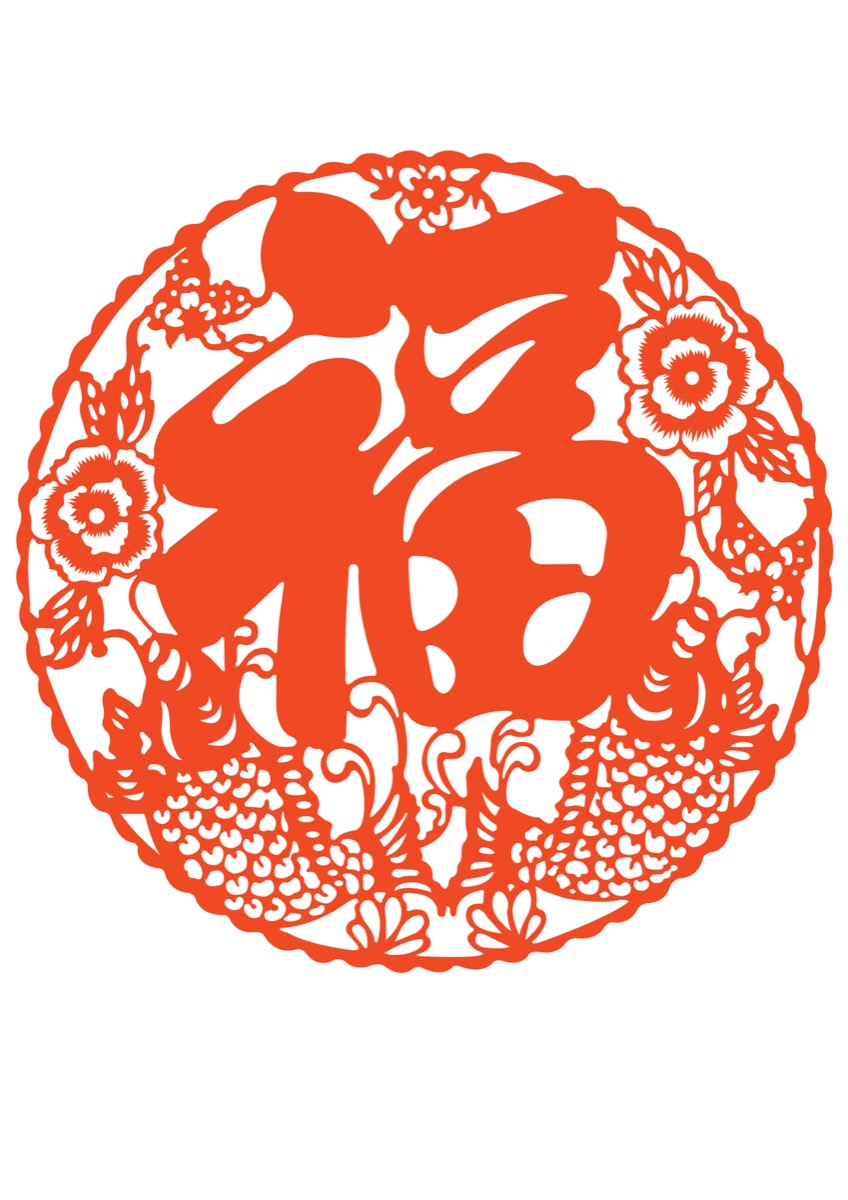
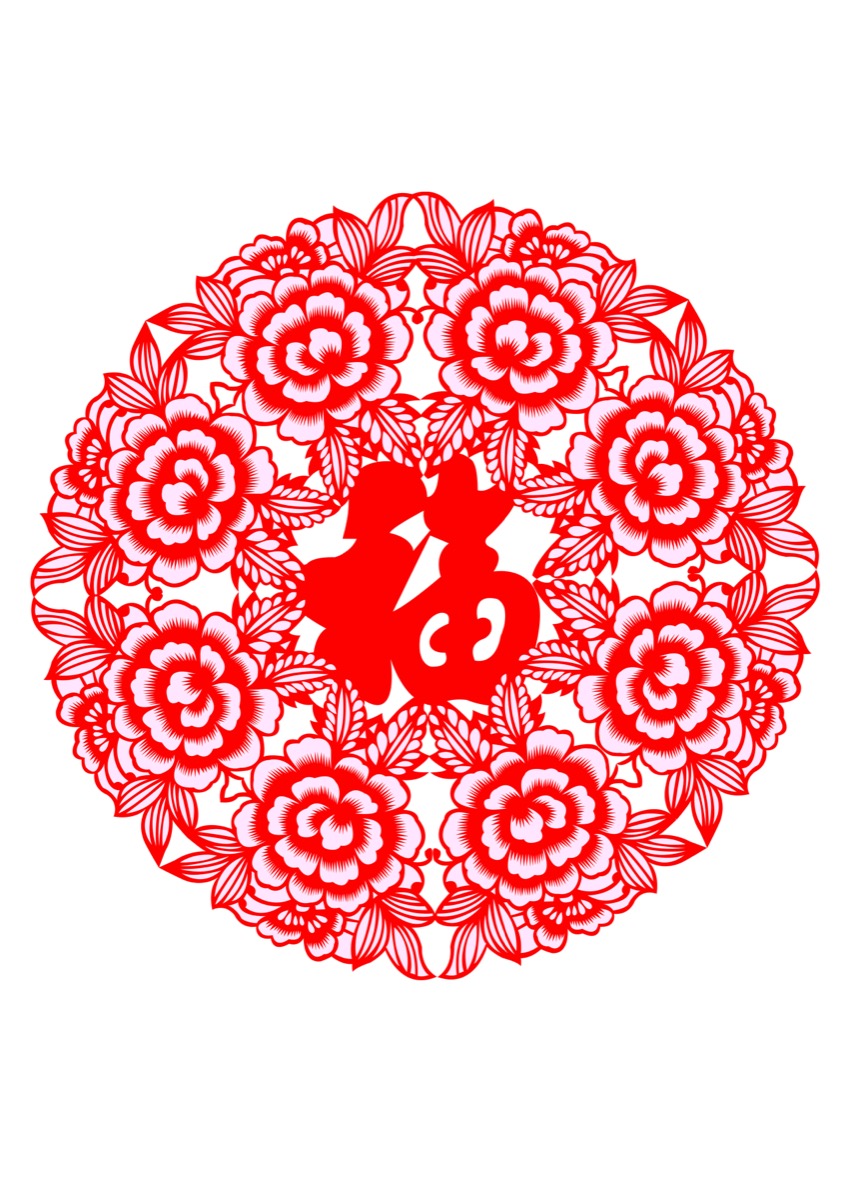
Walk into a Chinese restaurant anywhere in the world, and you will probably see three characters on the wall: Fu, Lu, Shou. They are the three stars of Chinese folk blessing — blessing, prosperity, and long life. In paper cutting, these three wishes are cut, pasted, and given as gifts more than any other theme.
Each star has its own character, its own symbols, and its own occasions. Knowing the difference helps you read a paper cut the way the cutter intended.
Three stars in every home
From star gods to household wishes
Fu, Lu, and Shou began as Taoist stellar gods. In the earliest Daoist texts, each star governed a different aspect of human fortune. Fu Xing, the star of blessing, was associated with Jupiter; Lu Xing, the star of prosperity, with the star Mizar in the Big Dipper; and Shou Xing, the star of longevity, with Canopus, the bright southern star. Temples dedicated to the three stars were common across imperial China, and families would burn incense to them at New Year and on birthdays.
Over centuries, the three stars moved from temple iconography into folk art. By the Ming and Qing dynasties, their names had become abstract wishes that any family could ask for. A peasant household might not know the names of the stars, but everyone knew the three words. Paper cutters, embroiderers, potters, and woodblock printers all adopted the trio as a visual shorthand for "the good life."
Fu, Lu, and Shou began as Taoist stellar gods. Over time, they became abstract wishes that any family could ask for. A peasant household might not know the names of the stars, but everyone knew the three words:
- Fu (福) — blessing, good fortune
- Lu (禄) — prosperity, high rank, a good salary
- Shou (寿) — long life
Together they cover a complete life: you are lucky, you have enough, and you live long enough to enjoy it.
Fu — blessing
The character fu is the most common image in all of Chinese paper cutting. It appears on windows, doors, red envelopes, and wedding cakes. The character itself is often cut so that the strokes turn into peonies, bats, or fish.
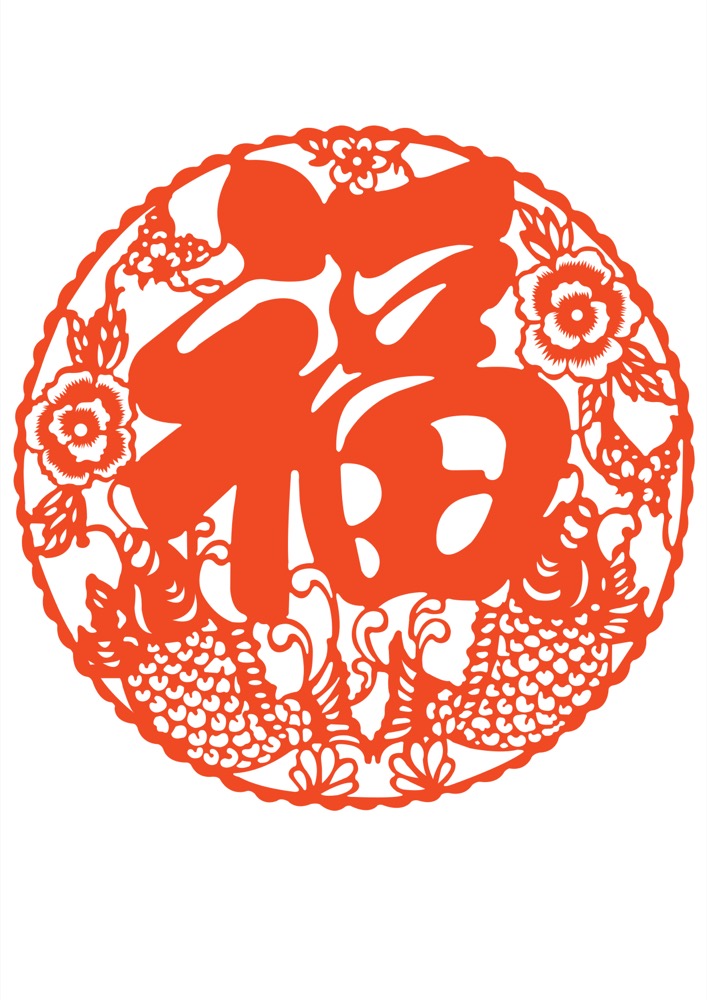
A circular window flower with the character *fu* (blessing) at the center.
Many families paste fu upside down. The word for "upside down" (dao) sounds like the word for "arrive." An upside-down blessing means "blessing arrives." A nosy neighbor might straighten it; the family will turn it back.
Bats often appear with fu because fu (蝠, bat) sounds like fu (福, blessing). Five bats around the character mean the five blessings: long life, wealth, health, virtue, and a peaceful end.
Lu — prosperity
Lu is the least familiar of the three to outsiders, but it matters a great deal in Chinese culture. It originally meant the salary of an official, so it came to mean prosperity through legitimate work, rank, and social standing.
In paper cutting, lu is often shown as a deer. The word for deer (lu, 鹿) sounds like lu (禄). A deer under a pine tree means "prosperity and long life." A deer with a bat means "blessing and prosperity."
Lu also pairs with the god of wealth and with gold ingots. Where fu asks for general good luck, lu asks for concrete success: a promotion, a good harvest, a thriving shop.
Shou — longevity
Shou is the star every birthday celebrates. The character is easy to recognize: a complex form that looks like an old man with a long staff. Paper cutters stretch and decorate the character until it is almost a picture.
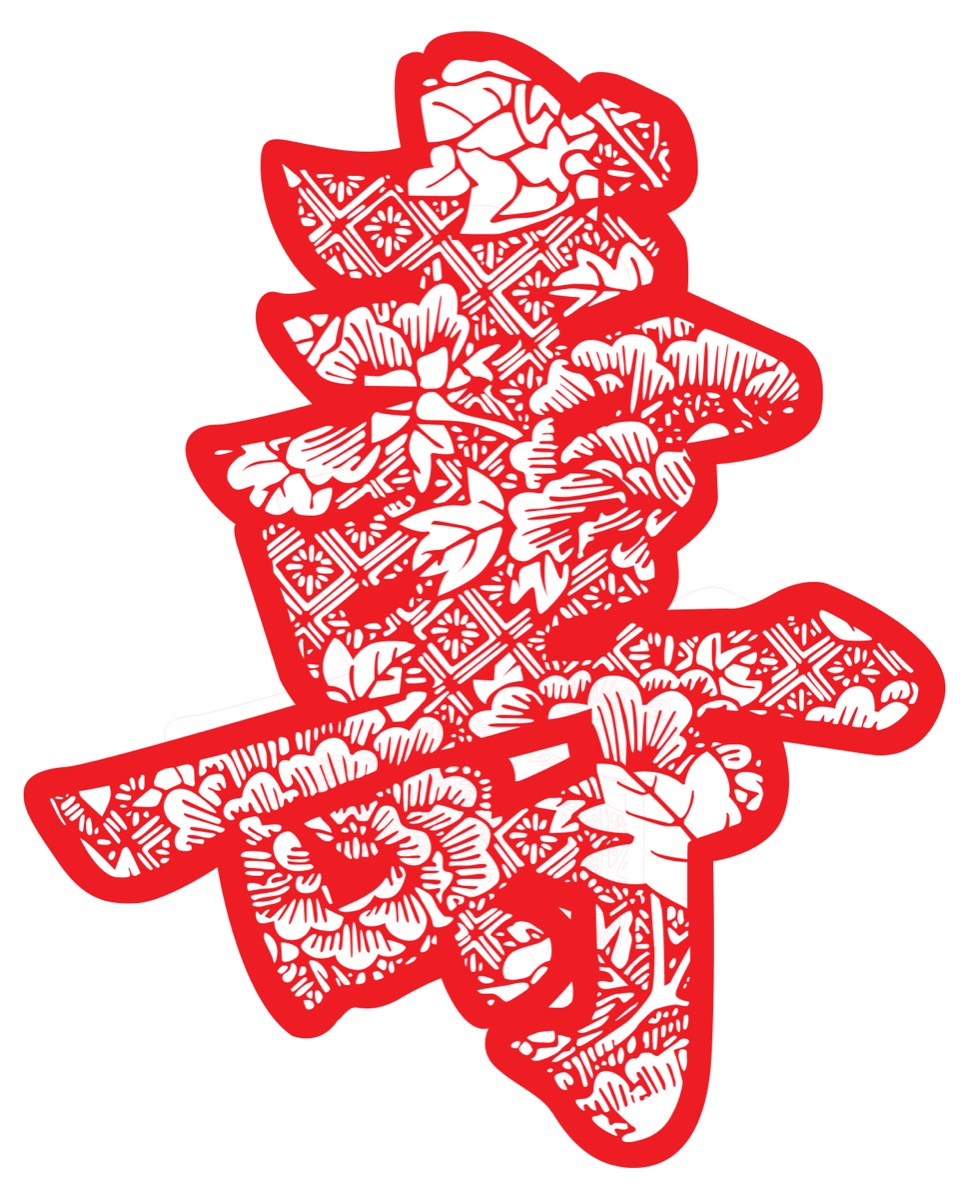
An elaborate cut of the character *shou* (longevity), filled with symbols of long life.
The symbols of long life are easy to spot. Cranes live long and carry immortals. Pine trees stay green through winter. Peaches recall the mythical peaches of the Queen Mother of the West, which ripen every three thousand years. Tortoises are slow and old. The god of longevity has a forehead shaped like a peach.
A paper cut for an elder's birthday might show all of these together: a crane under a pine tree, holding a peach, beside a large shou character.
Xi — double happiness
Strictly speaking, xi (囍) is not one of the three stars, but it belongs in the same family of blessing characters. The double happiness character is two xi characters pressed together, and it is used almost exclusively for weddings.

The classic double happiness character, used for weddings and bridal decorations.
The character appears on wedding invitations, bridal bedcovers, cakes, and doorways. Red paper cuts of double happiness are still pasted in the bridal chamber in both rural villages and city apartments. The character is often surrounded by dragons and phoenixes, mandarin ducks, or peonies.
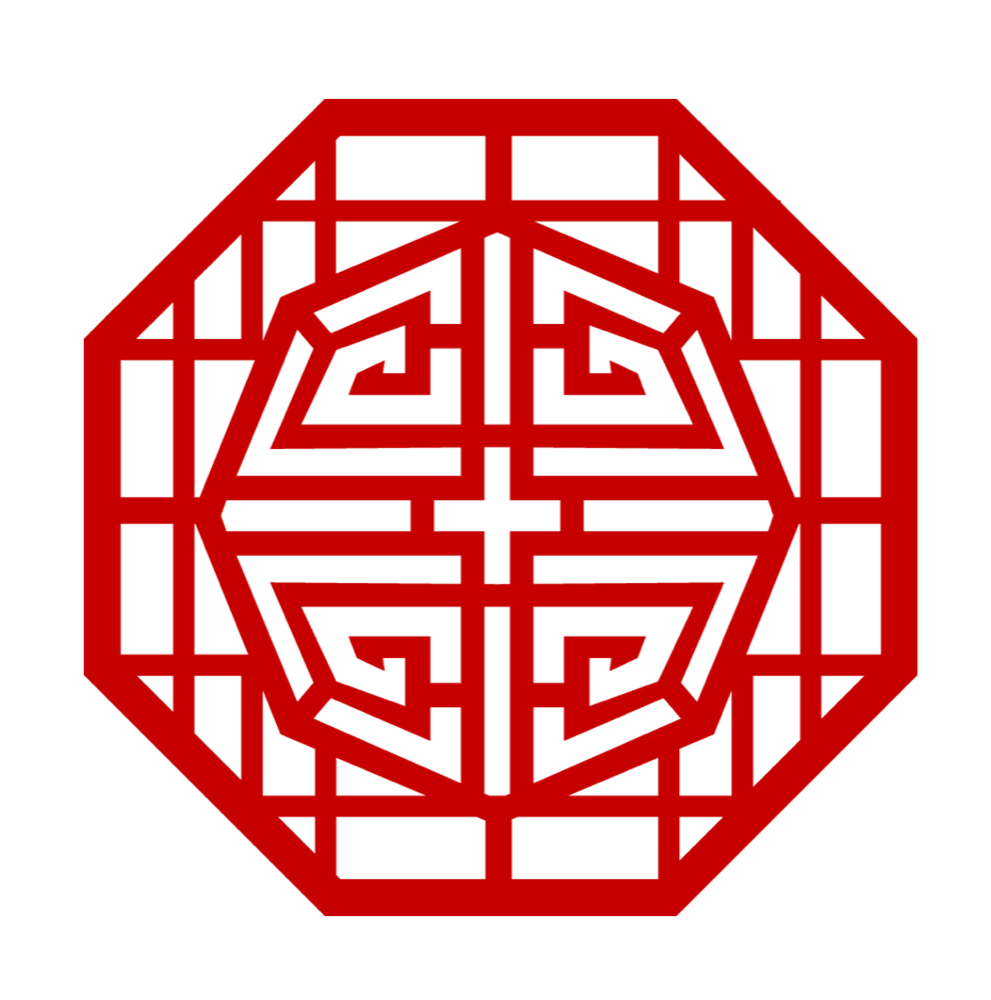
A lattice-style double happiness cut, designed to be pasted on a window or screen.
Combinations and where they go
Paper cutters love to combine the blessings:
- Fu + bat = blessing arrives
- Lu + deer = prosperity
- Shou + crane + pine = long life
- Fu + lu + shou together = the complete good life
- Xi + dragon + phoenix = a blessed marriage
These combinations decide where the cut goes. A fu cut goes on the front door at New Year. A shou cut goes on the wall at a birthday banquet. A xi cut goes in the bridal chamber. A fu-lu-shou grouping might hang in the main hall all year round.
How cutters design the characters
Paper cutters treat blessing characters as both text and image. A single character can be cut in dozens of styles:
- Round fu — common for windows and moon gates; the circular shape means completeness.
- Angular lu — often cut with sharp corners to suggest rank and official dignity.
- Stretched shou — the character is lengthened and filled with cranes, peaches, and pine needles.
- Lattice xi — the double happiness character is opened into a web of lines so light passes through.
In the north, cutters tend to leave the character bold and easy to read from a distance, because paper cuts are pasted on windows and doors. In the south, especially around Yangzhou and Foshan, cutters may carve the character into lace-like filigree, turning the blessing into a piece of jewelry.
Regional styles and famous cuts
Different regions developed signature ways of showing the three blessings:
- Shaanxi — bold, rural cuts with thick lines and bright red paper. The fu character is often surrounded by grain and animals, reflecting the agricultural roots of the region.
- Yuxian, Hebei — color-dyed knife cuts where the character is carved first and then painted in bright mineral pigments. A shou cut here might show ten different colors.
- Yangzhou, Jiangsu — extremely fine scissor work. The fu character is surrounded by plum blossoms and bamboo, symbols of winter virtue.
- Foshan, Guangdong — gold-foil backed cuts. Blessing characters are cut from red paper and backed with gold foil so they shimmer in temple lamps and shop windows.
These regional differences mean that the same blessing can look completely different depending on where it was cut, yet every viewer recognizes the wish.
Modern gifts and etiquette
Fu, Lu, and Shou paper cuts remain popular gifts today. The etiquette is simple but specific:
- Housewarming: give a fu cut for the door, or a fu-lu-shou grouping for the main hall.
- Birthday: give shou with cranes and peaches. Avoid clocks (the word for clock, zhong, sounds like the word for end).
- Wedding: give xi (double happiness), never a single fu, which is too general for the occasion.
- New business: give lu with deer or gold ingots, wishing the owner prosperity through legitimate work.
- New Year: fu is pasted upside down on doors; lu and shou may flank it on either side.
Many modern cutters also create personalized blessing cuts that include a family name or birth animal inside the character, making the gift both traditional and unique.
Reading the blessing
When you see a Chinese paper cut with a character, look at what surrounds it. The central character names the wish; the smaller pictures explain it.
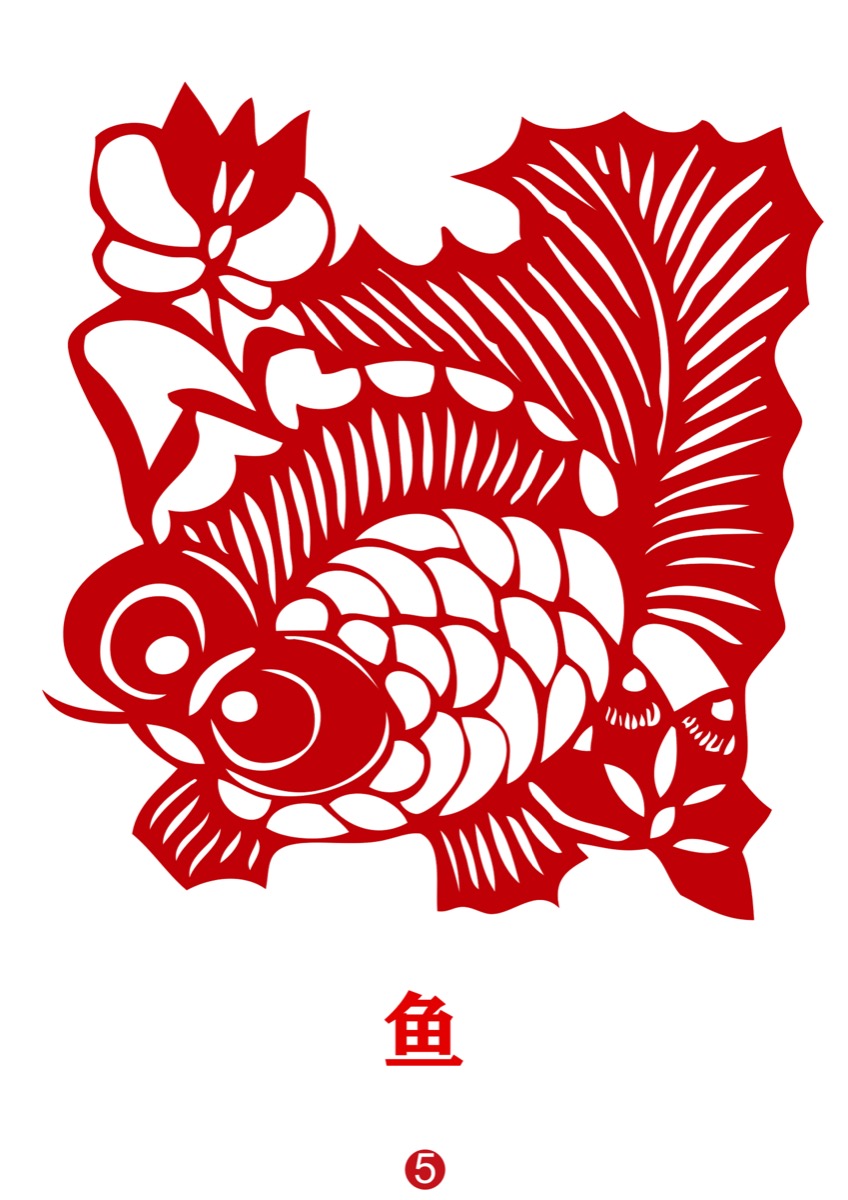
A fu with bats means general good fortune. A fu with fish means "blessing and abundance." A fu with peonies means "blessing and wealth." The same character becomes a different sentence depending on the company it keeps.
That is why paper cutting survived for so long. It lets a family write a blessing without writing a word, and hang it where everyone can see.
Frequently asked questions
Why is Fu sometimes pasted upside down?
The word for "upside down" (dao) sounds like the word for "arrive" (dao). An upside-down fu means "blessing arrives." It is one of the most common New Year customs in Chinese-speaking communities.
Can I use Fu, Lu, and Shou for any occasion?
Fu and lu are appropriate for most celebrations. Shou is specifically for birthdays and elders. Xi is reserved for weddings. Using the wrong blessing for the occasion can look odd, though it is rarely offensive.
What is the difference between Lu and the God of Wealth?
Lu originally meant the salary and rank of a government official, so it represents prosperity through legitimate work and social standing. The God of Wealth (Caishen) is a broader figure who brings money and commercial success. They often appear together in New Year art.
Are Fu, Lu, and Shou always shown as characters?
No. They can also be shown as the three-star gods: Fu Xing as a scholar holding a child, Lu Xing as an official in court dress, and Shou Xing as an old man with a long staff and a peach. In paper cutting, the characters are more common because they read clearly at a distance.
Author
This article was prepared by the team at ChineseFolkCrafts.com. We are not intangible-cultural-heritage inheritors or museum researchers. Our job is to find authoritative Chinese sources, understand them, and explain them clearly for international readers.
If you spot an error — a date, a translation, a misattributed custom — please let us know and we will correct it. Last updated 2026-07-25.