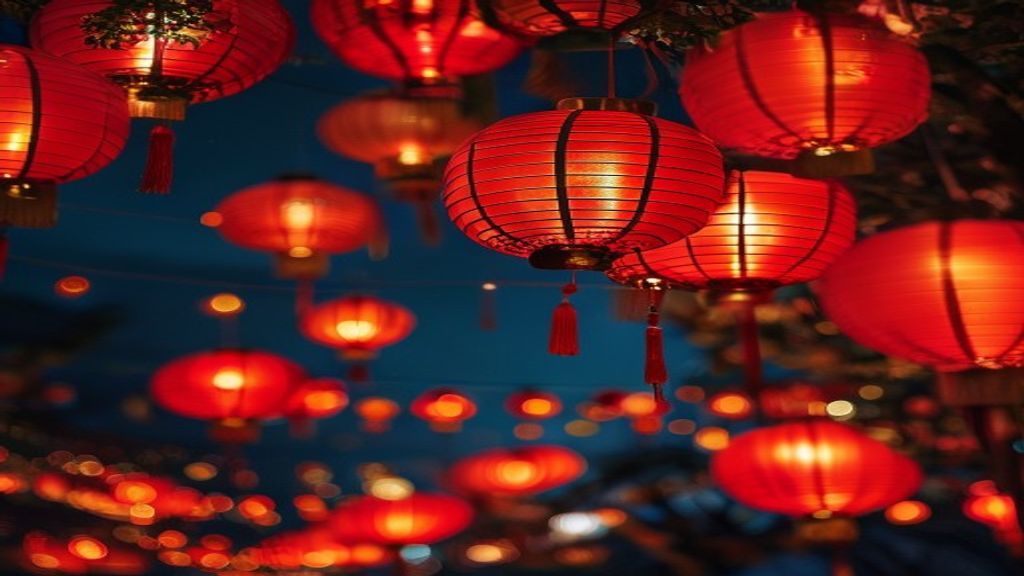
Walk through any Chinese street during New Year and the first thing that catches your eye is also the first thing that speaks: a red lantern. It hangs above doorways, lines temple roofs, and crowds festival stalls, turning night into a sea of warm light. But a Chinese lantern is never just a lamp. It is a sentence written in color, shape, and occasion — a sentence that wishes joy, reunion, prosperity, and the triumph of light over darkness.
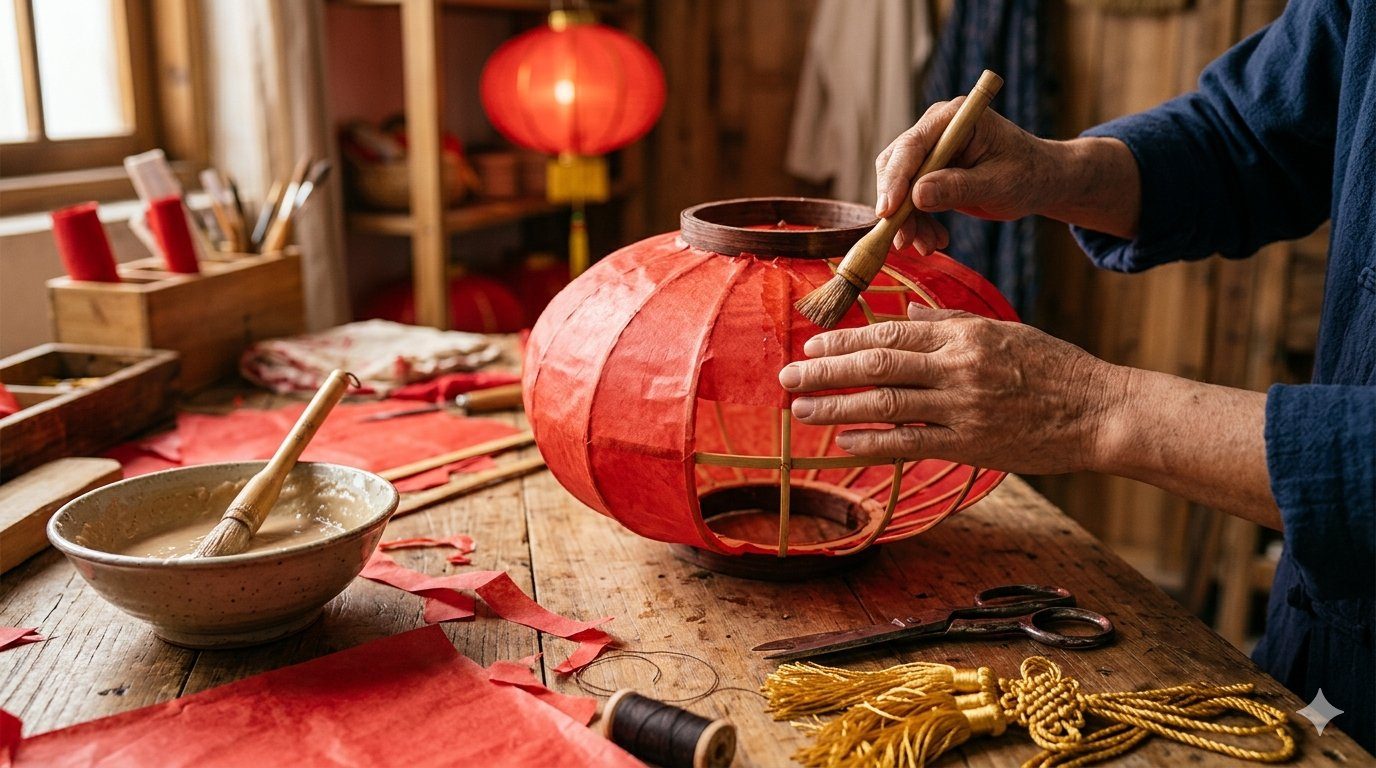
Chinese decorative lantern art, known as dengcai or huadeng, has been practiced for more than two thousand years and is listed today as national intangible cultural heritage. From the courtly palace lanterns of Luoyang to the elaborate festival displays of Beijing, each style carries the same impulse: to turn a practical flame into a vessel of meaning.
Red: the color of joy and protection
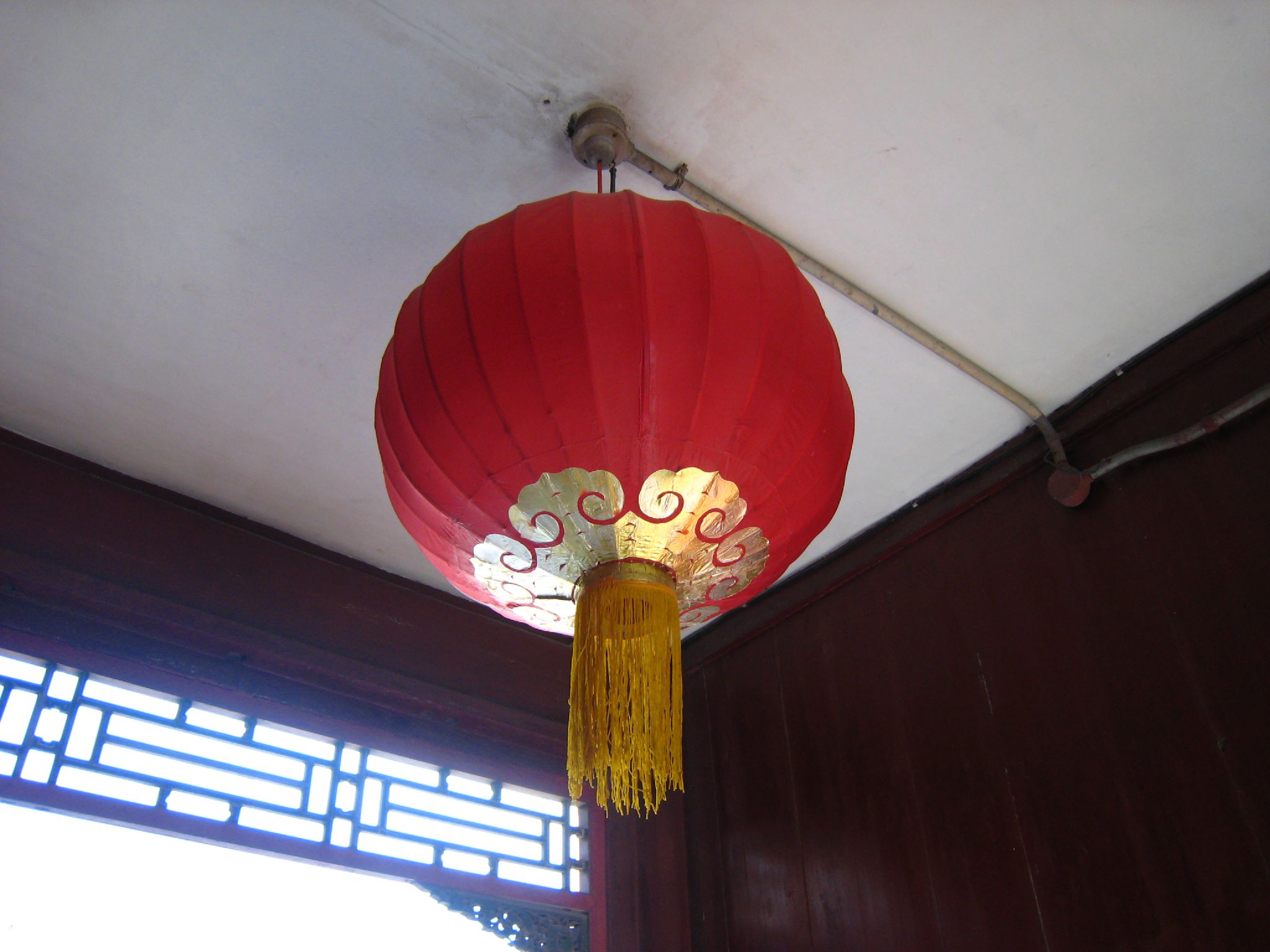
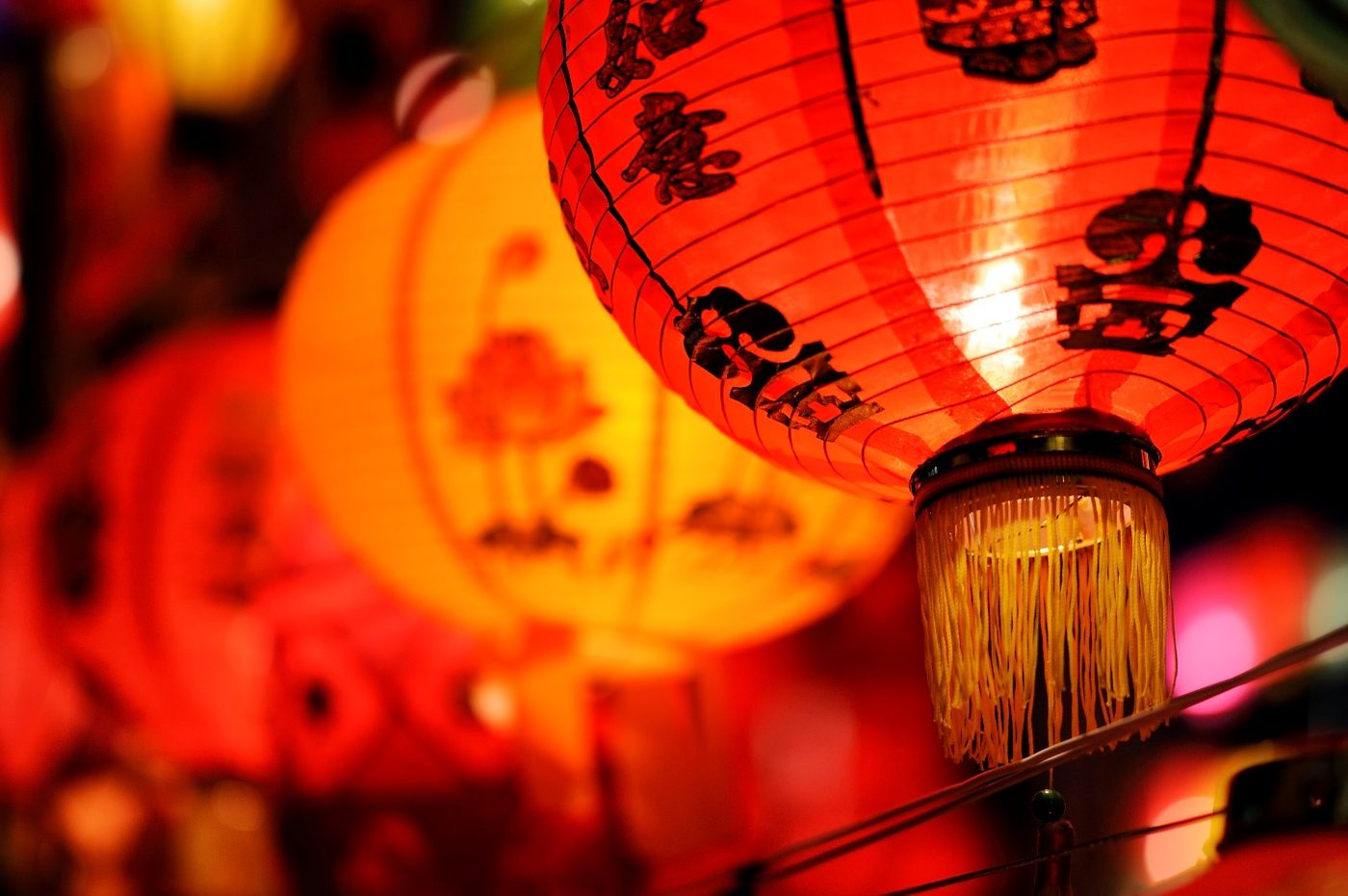
Red is the language Chinese lanterns speak most often. In Chinese folk culture, red is the color of happiness, vitality, marriage, and protection. It is the color of wedding clothes, New Year envelopes, and the upside-down fu character pasted on doors. A red lantern therefore does several things at once: it announces a celebration, honors guests, and acts as a protective charm believed to frighten away evil spirits and bad fortune.
Gold often appears beside red — on tassels, painted characters, or decorative borders — adding the wish for wealth and high status. A red lantern painted with the gold character fu (blessing) or cai (wealth) becomes a concentrated blessing: joy plus prosperity, protection plus abundance. This is why red dominates at Chinese New Year, weddings, shop openings, and temple birthdays — any moment when a household or community wants to mark a happy beginning.
Roundness: the shape of reunion
If color is the first word, shape is the second. The classic round Chinese lantern mirrors the full moon, and the full moon is the oldest Chinese symbol of reunion. Families gather at Mid-Autumn to watch the full moon; the Lantern Festival falls on the first full moon of the new year. A round lantern hanging at a doorway therefore says: the people under this roof are, or wish to be, together.
Palace lanterns may be hexagonal or octagonal, and parade lanterns may take the shapes of animals, flowers, or whole buildings, but the simple red globe remains the most powerful symbol of Chinese domestic happiness. Roundness here is not merely decorative; it is a prayer for completeness.
Other colors and their wishes
While red dominates, other lantern colors carry their own messages:
- Yellow and gold wish for royalty, wealth, and earth blessings. Imperial settings once favored yellow; temples and businesses use gold for prosperity.
- Green and blue-green suggest growth, spring, and long life, echoing the colors of plants and the east.
- White and pale blue are mourning colors. White lanterns appear at funerals and ancestral rites, representing purity, respect, and the spirit's journey. A white lantern at a celebration would be deeply inappropriate.
- Pink and peach carry romance and youth, fitting for spring festivals and love poems.
- Multicolored festival lanterns express abundance and spectacle — the more colors, the greater the celebration.
Choosing the wrong color sends the wrong message. Color is the first thing a lantern says, and it cannot be ignored.
Shapes and what they say
Beyond the round reunion lantern, Chinese craftsmen have shaped lanterns into a vocabulary of symbols:
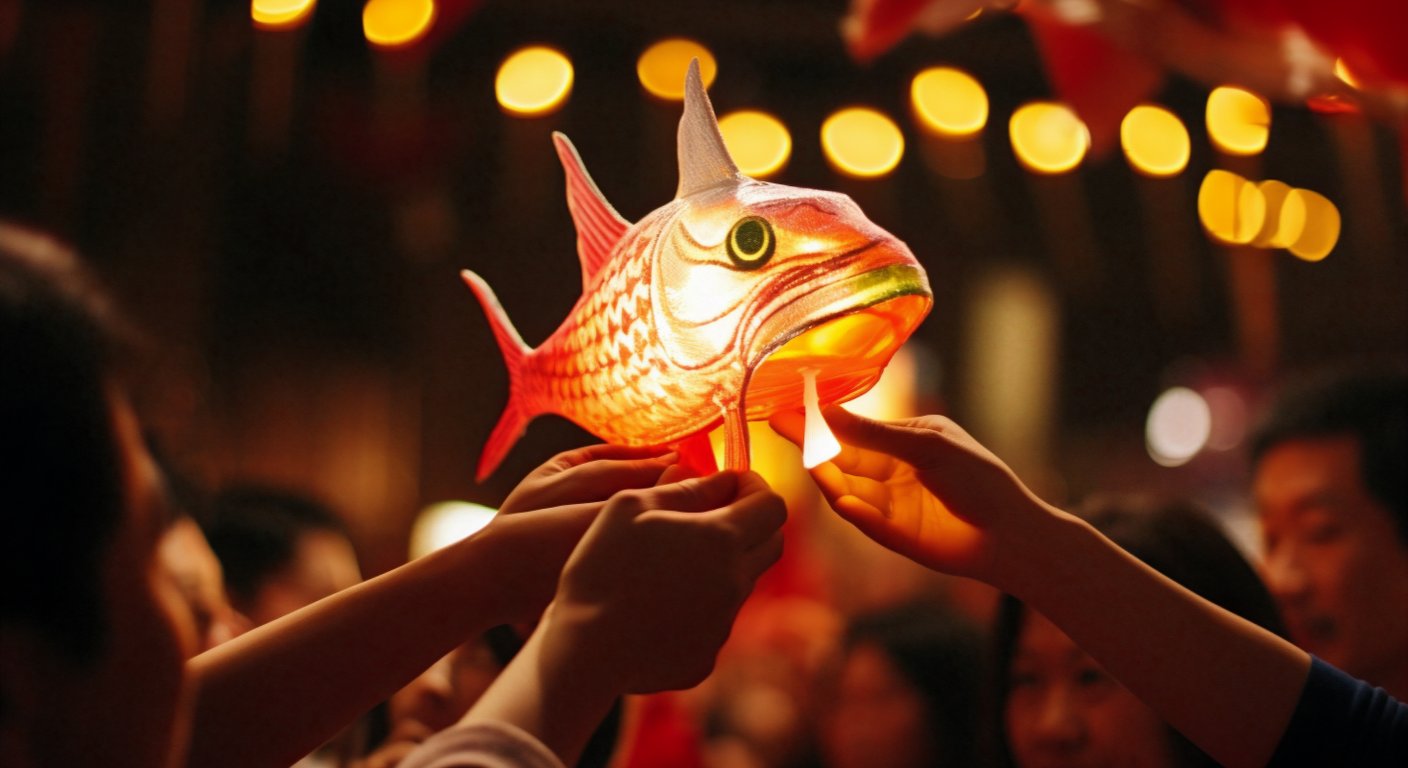
- The fish lantern (yu deng) puns on yu (fish, 鱼) and yu (surplus, 余), wishing abundance year after year.
- The dragon lantern carries power, rain, and imperial authority. A dragon-head centipede lantern rising into the sky channels this ancient energy.
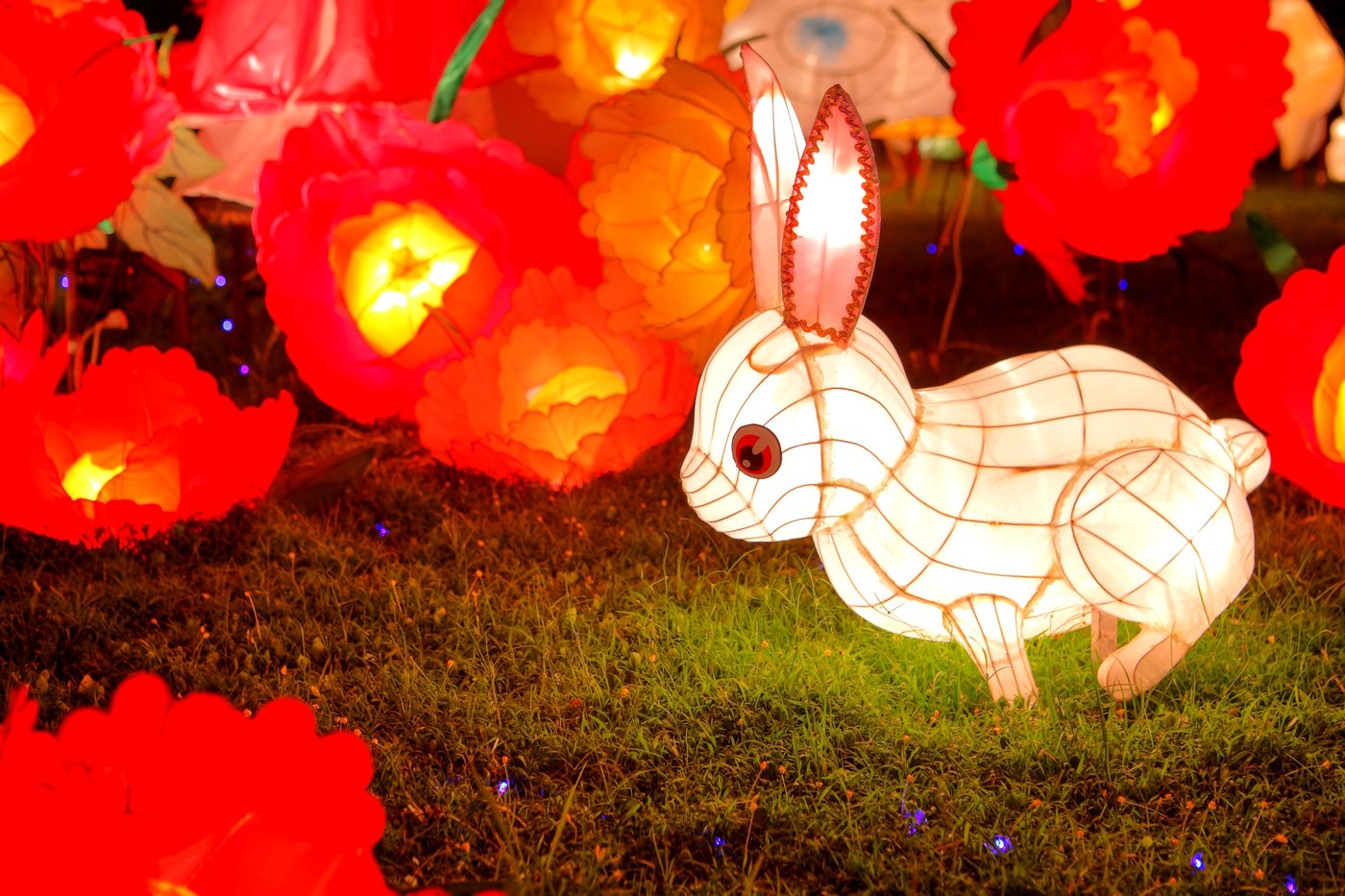
- The rabbit lantern is the classic Mid-Autumn shape for children, linking the moon, the jade rabbit, and innocence.
- The lotus lantern stands for purity and enlightenment, common in Buddhist festivals and the Qinhuai lantern fair.
- The crane lantern wishes long life, because the crane is one of the traditional emblems of longevity.
- The double happiness lantern writes the wedding character 囍 in light, a direct blessing for newlyweds.
Each shape turns the lantern into a specific prayer. A fish lantern does not merely decorate; it asks the year ahead to overflow with good things.
The fish lantern: a wish that swims
One shape deserves its own word, because it does not hang still — it swims. The fish lantern (yu deng) is carried aloft on poles through New Year nights in the fishing villages and water towns of southeastern China, weaving through streets and lanes like a school of fish slipping through the dark.
Its meaning starts with the pun every Chinese speaker knows: yu (鱼, fish) sounds exactly like yu (余, surplus). To raise a fish lantern is to raise the wish nian nian you yu — may you have more than enough, year after year. For fishing communities the wish is more concrete still: calm seas and full nets. Fish lantern dancing is ancient — the Eastern Han scholar Zhang Heng already described "fish turning into dragon" pageants in the capital — and today several fish lantern traditions are protected on China's national intangible cultural heritage list. We tell their whole story in our article on Chinese fish lanterns.
Light over darkness
At the deepest level, the Chinese lantern symbolizes the victory of light over darkness, order over chaos, life over death. The first lanterns were practical: a bamboo frame covered with paper, silk, or gauze to keep a flame alive in the wind. But a lantern that could keep a small flame burning through the night became a symbol of endurance, hope, and the human ability to hold light against darkness.
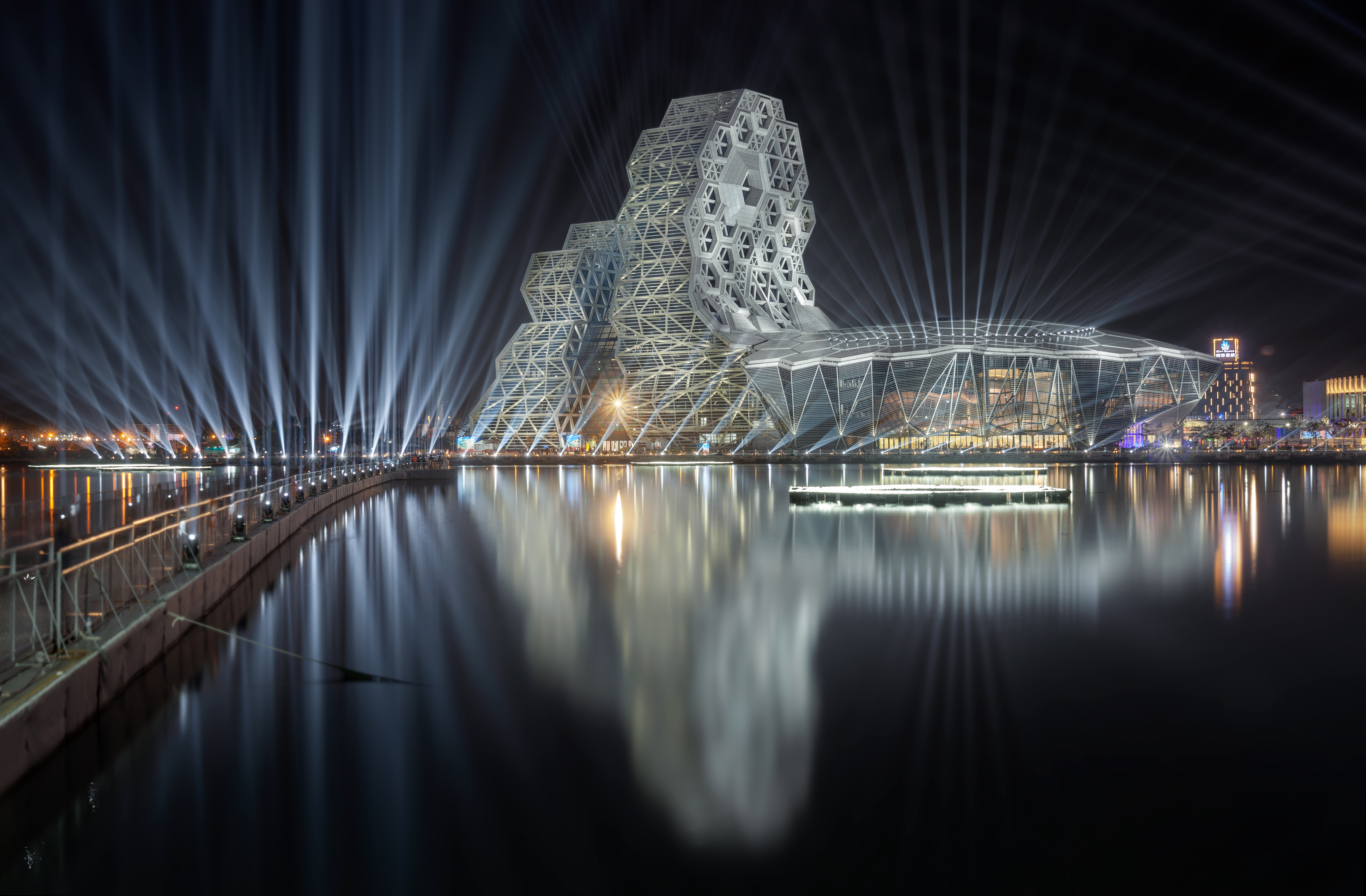
The Lantern Festival on the fifteenth day of the first lunar month is the grand expression of this idea. On that night, thousands of lanterns fill streets, temples, and rivers, turning the world into light. The custom of writing riddles on lanterns adds another layer: light not only drives away darkness but also illuminates the mind. In southern traditions, releasing sky lanterns sends wishes upward on a small flame; the higher the lantern climbs, the closer the prayer comes to heaven.
Lanterns across life events
Different occasions call for different lanterns:
- Chinese New Year: red round lanterns at doorways and windows to welcome fortune.
- Weddings: red lanterns with double-happiness characters, sometimes paired with dragon and phoenix designs.
- Births: in some southern regions, families hang a lantern in the ancestral hall to announce a newborn son. This custom, called bao ding, plays on the sound-alike words deng (lantern, 灯) and ding (male family member, 丁).
- Funerals: white or pale lanterns guide the spirit and express respect.
- Mid-Autumn Festival: rabbit lanterns for children and moon-viewing gatherings.
- Business openings: red and gold lanterns wish for booming trade.
A single object thus spans the whole cycle of life, its color and shape changing to match the moment.
Frequently asked questions
What does a Chinese lantern symbolize?
A Chinese lantern symbolizes joy, prosperity, reunion, and the triumph of light over darkness. Red lanterns announce celebrations and are believed to ward off evil. Round lanterns echo the full moon and family togetherness, while lit lanterns carry prayers and hopes upward.
Why are Chinese lanterns red?
Red is the color of happiness, luck, and protection in Chinese culture. A red lantern at a doorway marks a celebration and is thought to drive away bad fortune. Red dominates during Chinese New Year, weddings, and shop openings.
What do the shapes of Chinese lanterns mean?
Round lanterns symbolize completeness and family reunion. Square and hexagonal palace lanterns represent stability and heaven-earth harmony. Animal-shaped lanterns — rabbits, dragons, fish — carry their own blessings: fertility, power, and abundance.
What does a lantern mean at a wedding?
At weddings, red lanterns celebrate the union and wish the couple happiness and fertility. In some southern dialects the word for lantern, deng, sounds like ding, a male child or family member, so hanging lanterns also carries a wish for children and a growing family.
What do white lanterns mean in Chinese culture?
White or pale lanterns are used in funerals and mourning. Unlike the celebratory red lantern, white represents death, respect for ancestors, and the journey of the spirit. Color matters strongly in Chinese lantern symbolism.
Author
This article was prepared by the team at ChineseFolkCrafts.com. We are not intangible-cultural-heritage inheritors or museum researchers. Our job is to find authoritative Chinese sources, understand them, and explain them clearly for international readers.
If you spot an error — a date, a translation, a misattributed custom — please let us know and we will correct it. Last updated 2026-08-03.