Zou Guichang: Saving Baokang's One-Armed Shadow Puppetry
In 2008, a family in Yichang offered ten thousand yuan for a shadow puppet troupe to perform at an old man's eightieth birthday — and could not find one anywhere. The next year, provincial experts came to Baokang county hunting for an ancient tune called Wushengzi and went home empty-handed. Zou Guichang watched both searches fail. "Things of value — how can we just stand by and watch them disappear?" he asked himself. That question has now consumed forty-three years of his life [source:1].
One arm, one eye
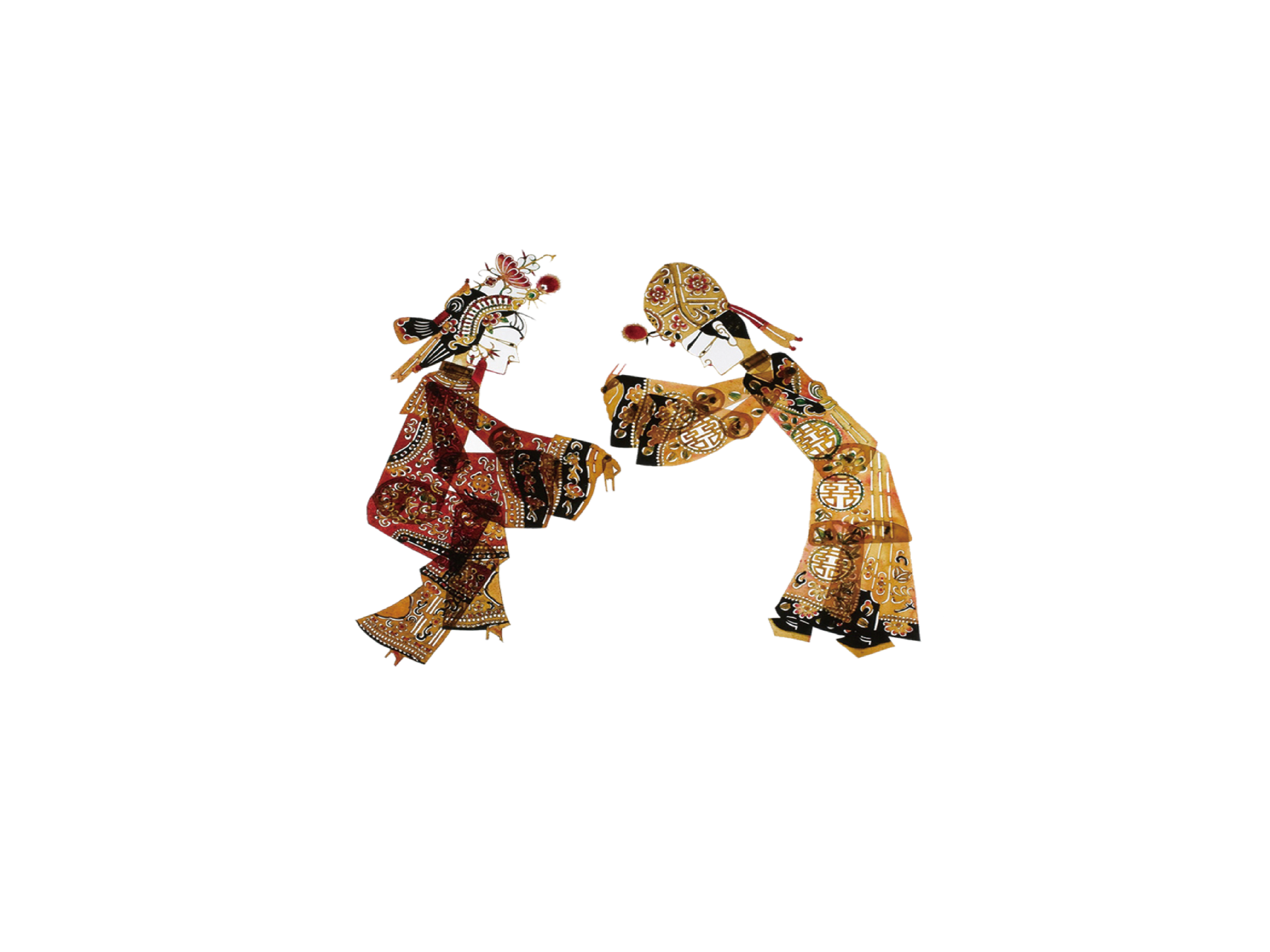
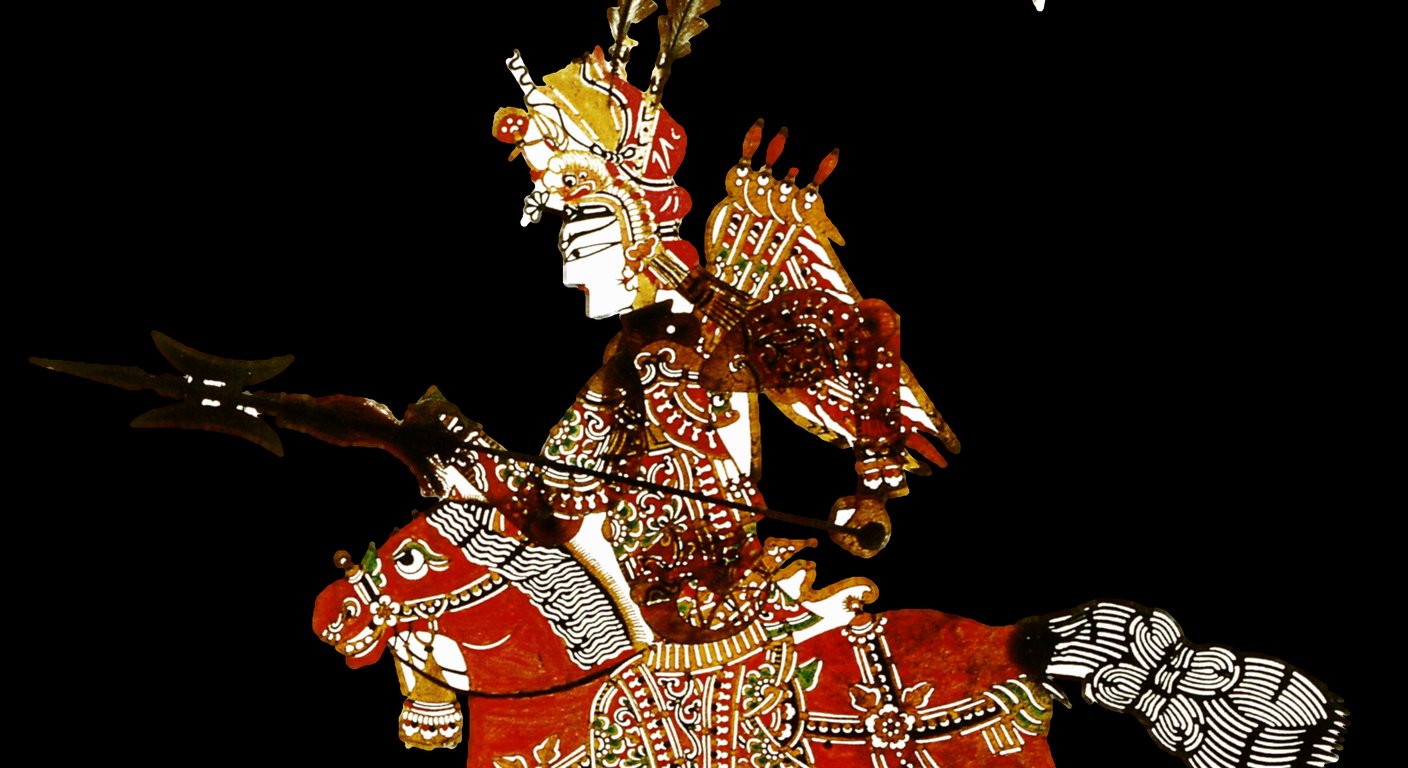
Baokang, a mountain county in Hubei's Jingshan range, keeps its own school of shadow puppetry: dubi piying, the "one-armed shadow play." As Zou explains it to visitors, the figures are pure profile — one arm, one eye, a body seen only from the side. Puppets this stripped-down demand more from the performer: a handful of rods and a white screen have to carry the whole story [source:1].
Zou Guichang grew up inside that world. At sixteen he was already touring the villages with his father, performing from door to door. Today he is the sixth-generation inheritor of the Baokang one-armed tradition — and the reason there is still a tradition to inherit [source:1][source:2].
Three years on foot, six generations back
When Zou decided to rescue the art in 2010, he started with its roots. For three years he walked the deep mountains across six counties and more than ten villages, seeking out old performers and old objects, until he had traced the one-armed puppetry's family tree clearly back through six generations [source:1].
The search taught him brutal arithmetic. When he reached the home of Zhang Zhaobin, the fourth-generation master, the old man had already died; Zhang's son was himself over sixty. "If we don't save it now, it really ends," Zou realized. Some of the singing tunes existed in one throat only [source:3][source:4].
He apprenticed himself to the craft's physical side too. To learn puppet carving from a maker hidden in the mountains, he once hiked eight kilometers of mountain path carrying two whole cowhides — nearly forty jin of leather — on his back. Over a decade he has collected more than forty antique puppets, a dozen of them over a hundred years old. Along the way he has also documented the region's other vanishing sounds: mountain work-songs, weeding gongs and drums, local flower-drum opera, folk suona [source:1].
Paying villagers out of his own pocket
A rescued art needs performers, and performers need to eat. Back in 2003 Zou had founded the Dianya Changxiang Art Troupe — a one-man operation at first, grown today to fifty-eight core members. The troupe survives on weddings and commercial bookings, but its real work is public: village fairs, free heritage shows, bringing theater down to the countryside — more than 1,200 public-welfare performances and counting [source:1][source:2].
Free shows pay nothing, so Zou pays the difference himself. To keep good performers he guarantees the skilled ones a base salary of 40,000 yuan a year, uncapped for those who perform more. His annual wage bill runs past 300,000 yuan; in the hardest year he was 80,000 yuan out of pocket. All told, he has poured over 1.5 million yuan of his own money into training, equipment, and keeping the troupe alive [source:1].
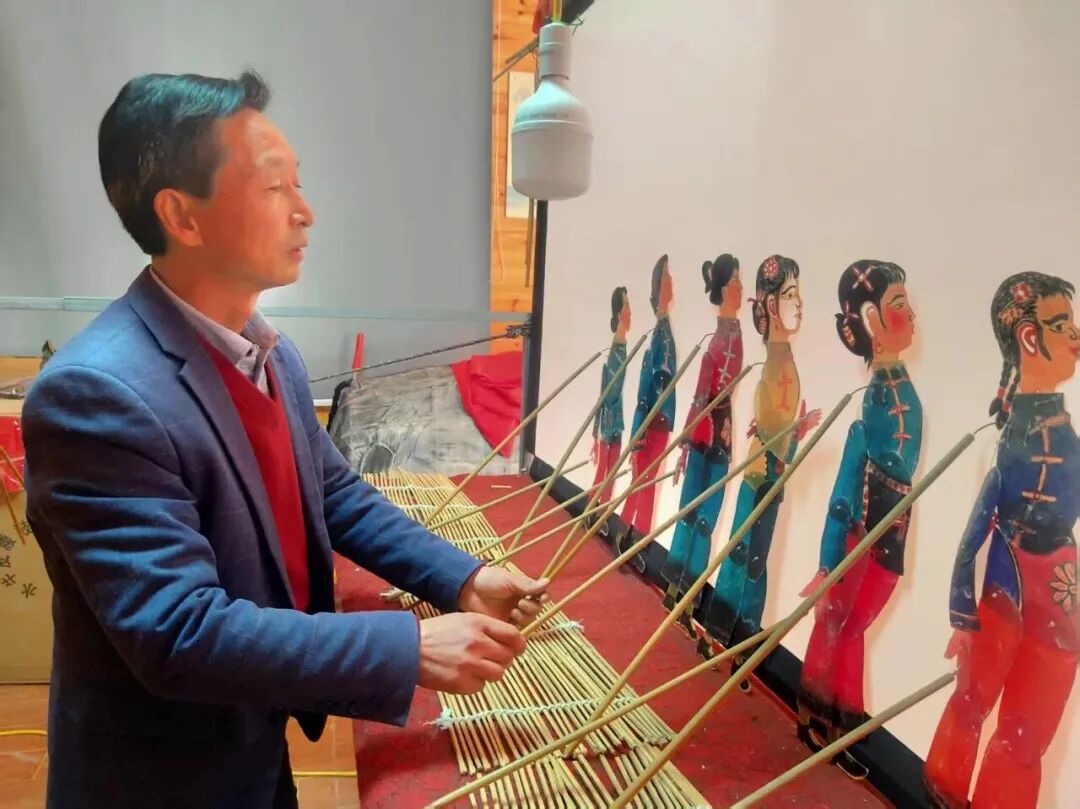
"Many of our public shows have no budget at all — he covers the costs personally," says troupe member Zhao Libo. "His persistence is what gives folk artists like us a stable stage" [source:2].
Rebuilding a troupe from six students
Zou knows one man cannot carry a tradition. "However much iron one man has, how many nails can he forge?" he says. In 2015, with support from the local cultural station, he opened a free folk-culture training class in Dianya town — and invited Zhang Zhaobin's son, Zhang Guoze, along with other old puppeteers, to teach [source:3][source:4].
Villagers were skeptical: "Learning this earns less than picking tea." Zou went door to door arguing his case, waived every fee, and even paid rewards to students who stuck with it. After four years of classes, Dianya had a working six-person shadow puppet troupe again. Over the years his programs have trained some 11,000 people in the one-armed shadow play and the county's other heritage arts [source:1][source:3].
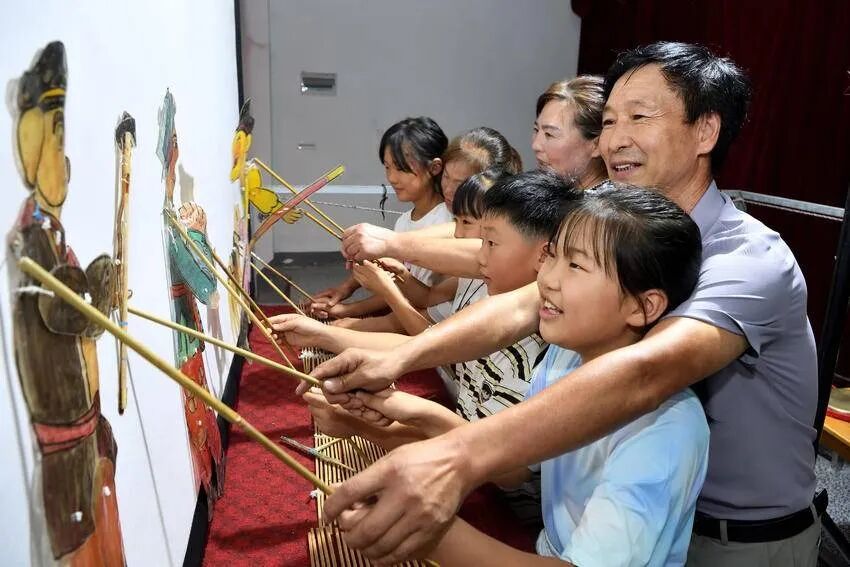
In 2019 he raised another 210,000 yuan to build a folk-culture studio in Gelanping village — part classroom, part exhibition hall, part stage. Locals call it the village's "spiritual home that never closes." When the county's summer care program for children opened, Zou brought the troupe in to perform the classic Wu Song Fights the Tiger, then stayed to teach the kids the rods himself and tell them the one-armed puppets' history [source:1][source:2].
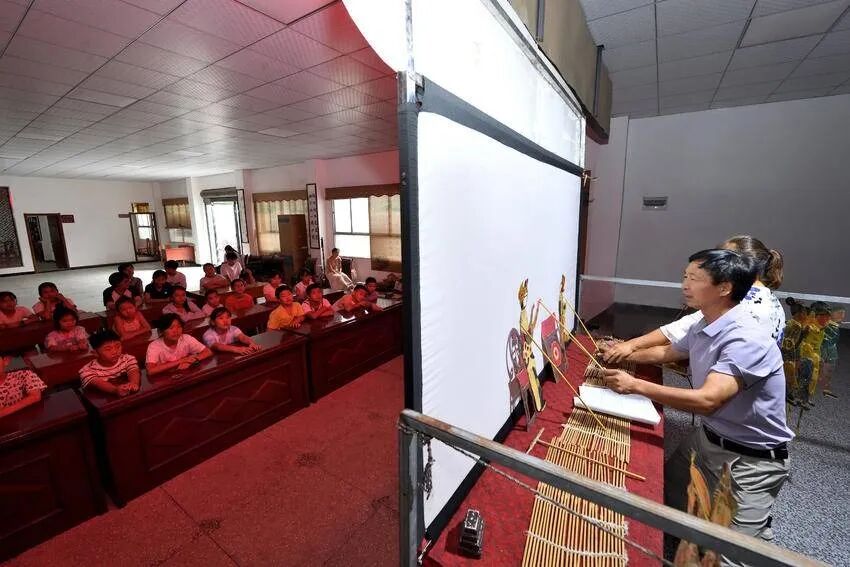
"I only ever read about shadow puppetry in books before," said Xu Xiangyuan, one of the students. "Seeing it live today was so new and fun — and Grandpa Zou explained everything so patiently" [source:2].
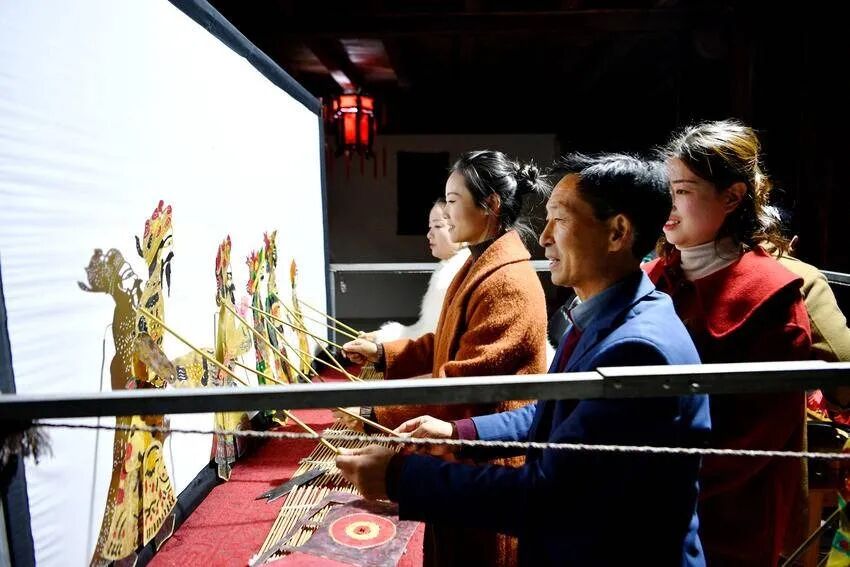
A small light in the mountains
The rescued art is traveling again. Zou and his troupe have carried Baokang's one-armed puppets out of the mountains to more than thirty counties and cities across twelve provinces for exchanges and performances. His original production Driving the Bamboo Horse appeared on China Central Television, and in 2025 his newly created one-armed shadow play Bian He Presents the Jade — staging the ancient legend of the man who recognized treasure in a rough stone — drew holiday crowds at the Wudao Gorge scenic area [source:2][source:3].
He has been named a Hubei Good Person, an outstanding provincial cultural volunteer, and a rural culture-and-tourism leader; his story has run on CCTV and other major outlets. He waves the honors off [source:2].
"I have always believed a single spark can set the prairie alight," Zou says. "I am just one small beam of light — rooted in this soil, guarding the sounds of home. If it adds even a little to passing this heritage on, that is enough" [source:1].
Baokang's one-armed puppets are one regional school among many — our introduction to Chinese shadow puppetry maps the wider tradition, and our puppet-making guide shows what goes into a single figure. For a very different inheritor's path, meet Sun Bingqing, the post-90s artist reinventing the craft in Beijing.
Frequently asked questions
Who is Zou Guichang?
Zou Guichang is the sixth-generation inheritor of Baokang one-armed shadow puppetry and head of the Dianya Changxiang Art Troupe in Baokang county, Hubei. He began performing with his father at sixteen, and has spent 43 years — and over 1.5 million yuan of his own money — rescuing the art, training 11,000 people, and staging more than 1,200 free public performances. He has been honored as a Hubei Good Person [source:1][source:2].
What is Baokang one-armed shadow puppetry?
It is a regional school of Chinese shadow puppetry from Baokang county in Hubei's Jingshan mountains. Its name, dubi piying, describes the figures: pure side-profile puppets with one arm and one eye visible. The tradition was nearly lost by the 2000s — its singing tunes survived in only one or two old throats — until Zou Guichang spent three years tracing its six-generation lineage and rebuilding a performing troupe [source:1][source:3].
How did Zou Guichang save the tradition?
Three ways. He documented it: three years on foot across six counties, tracing the lineage back six generations and collecting over forty antique puppets. He funds it: paying troupe members out of his own pocket, including guaranteed base salaries for skilled performers. And he teaches it: free training classes since 2015 — taught in part by the son of the fourth-generation master — and a folk-culture studio built in Gelanping village in 2019 [source:1][source:3][source:4].
Is shadow puppetry recognized as cultural heritage in China?
Yes. Shadow puppetry is inscribed at various levels of China's intangible cultural heritage system, and Chinese shadow puppetry has been on UNESCO's Representative List of the Intangible Cultural Heritage of Humanity since 2011. Baokang's one-armed school is one of many regional styles; Zou Guichang also trains villagers in other listed local arts such as the Jushui wuyin reed music and local flower-drum opera [source:1].
Sources and further reading
- "自费150万坚守43年!他只为留住家乡老手艺" — 湖北发布, via Sina (site material archive)
- "一方幕布,半生坚守!这位'湖北好人'把非遗皮影戏送进城乡群众心里" — 湖北发布, via Sohu (site material archive)
- "自掏腰包给村民发工资传艺!保康大山'守艺人'为独臂皮影续香火" — 楚天都市报, via 荆楚网
- "邹贵昌:让保康独臂皮影在新时代重焕光彩" — 人民日报《民生周刊》