Sun Bingqing: The Post-90s Artist Reinventing Chinese Shadow Puppetry
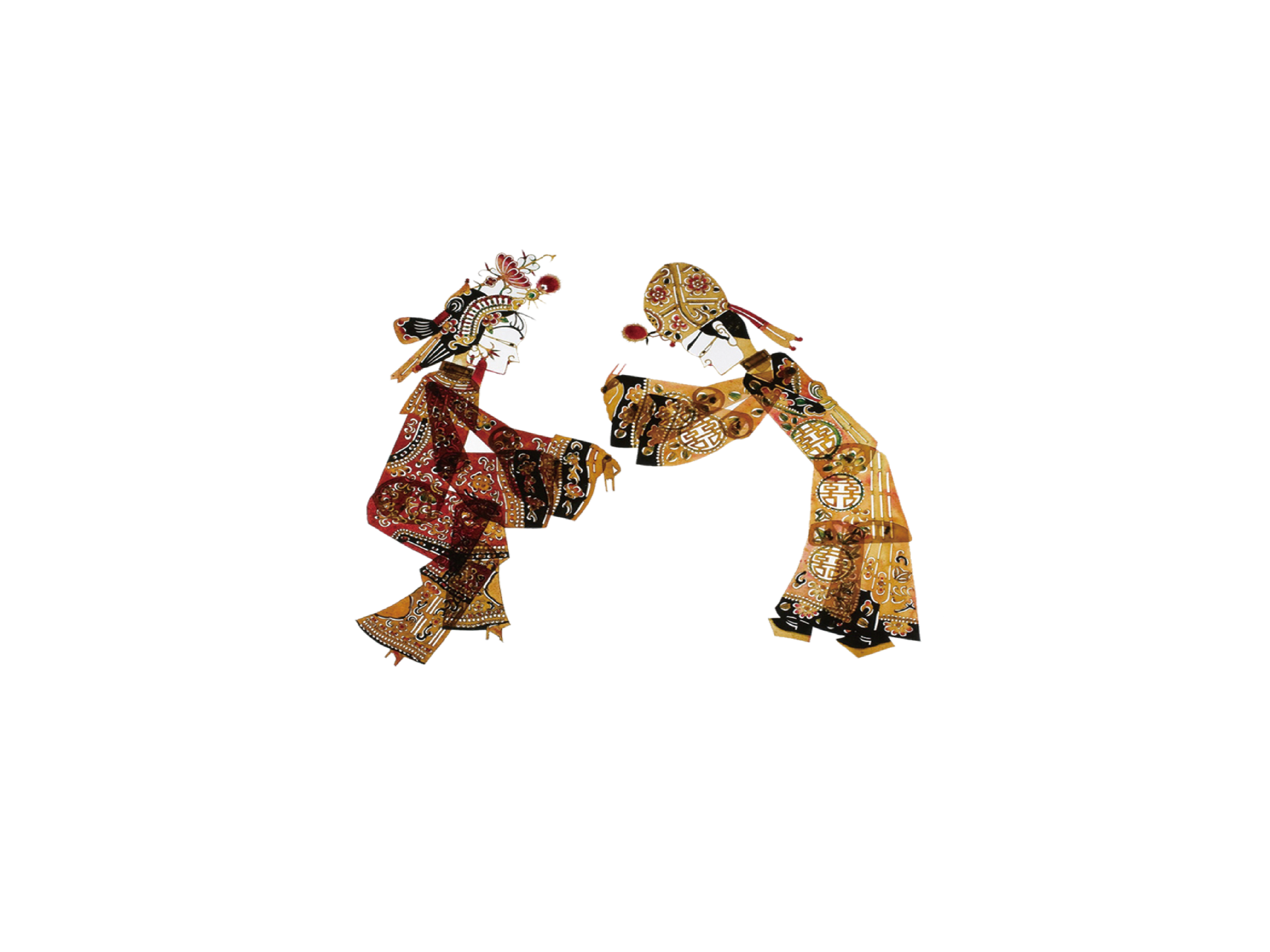
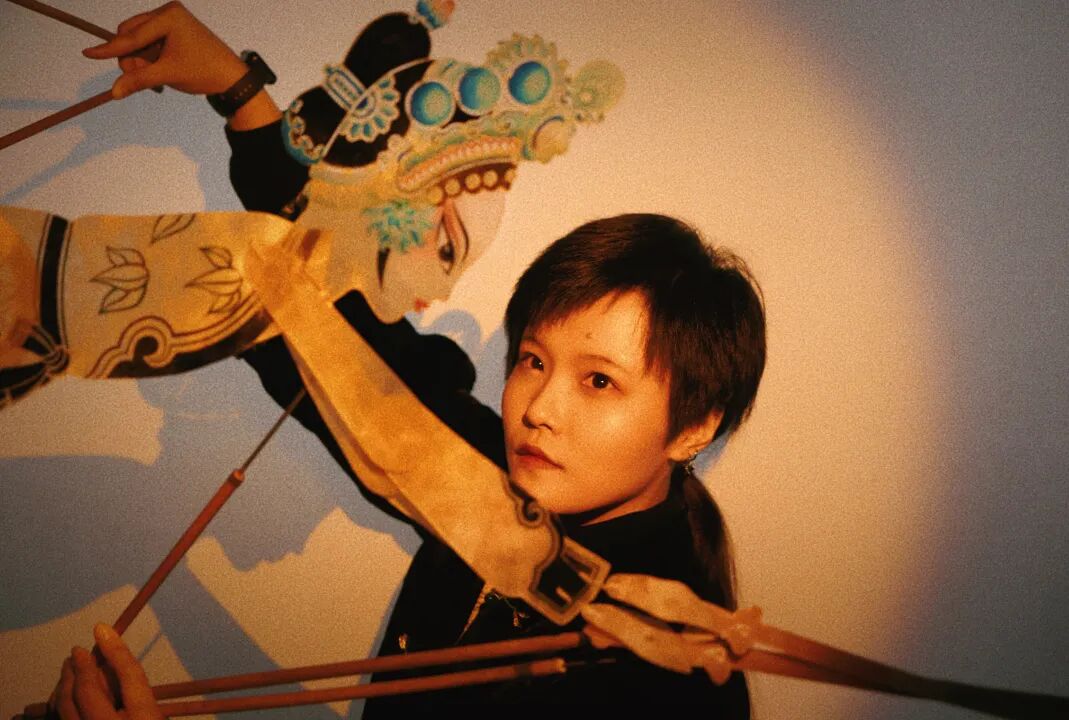
One hand holds three slender rods. The wrist turns, and a leather warrior flips through the lamplight; the fingers shift, and Chang'e floats toward the moon with a dancer's grace. Behind the white screen of the Beijing Shadow Puppet Troupe, Sun Bingqing makes figures of carved cowhide move as if they had breath of their own — and she is barely in her thirties [source:1].
In a backstage world where, as she recalls, "from the actors to the band, it was a sea of grey hair," Sun Bingqing is part of a small generation of young performers proving that a 2,000-year-old theater of light and leather can still speak to children who grew up on smartphones [source:1][source:2].
From the opera spotlight to behind the screen
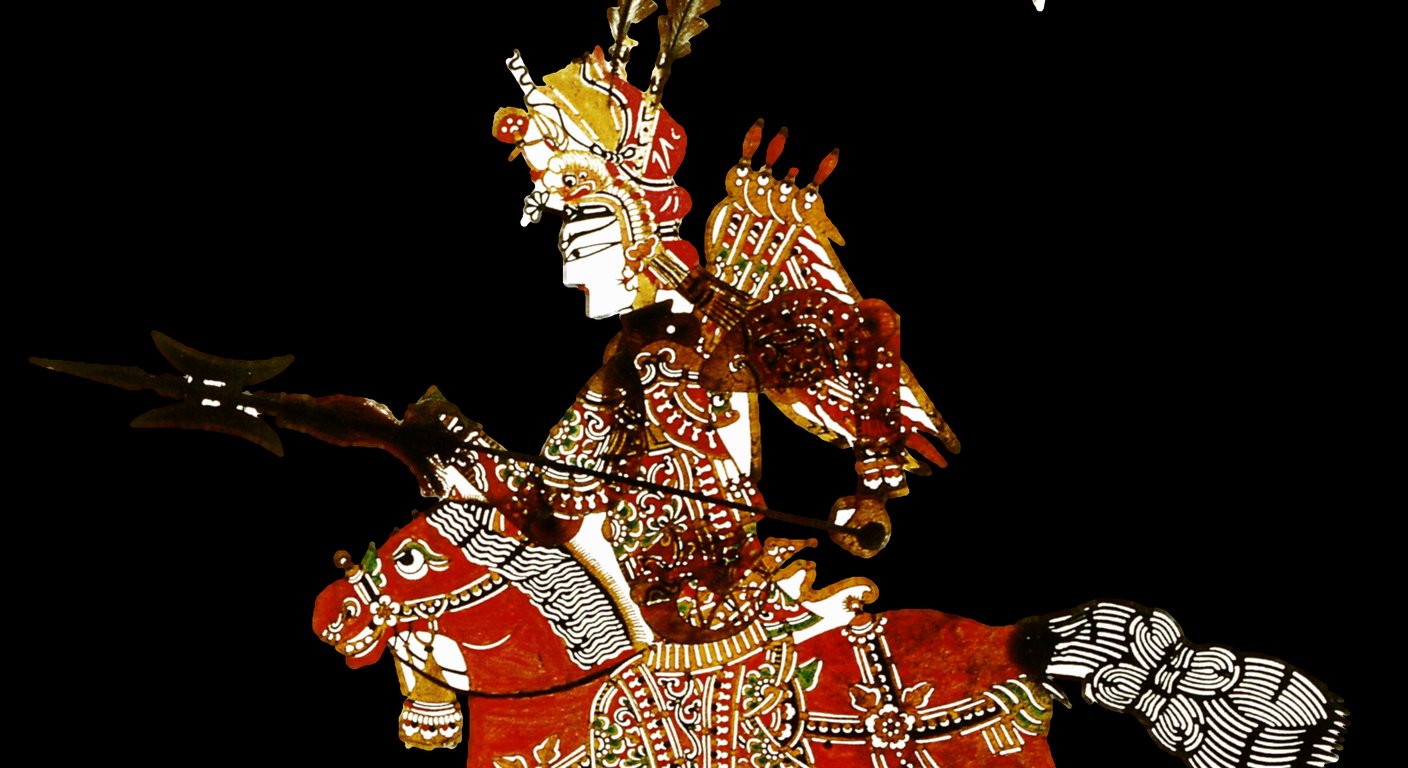
Sun Bingqing did not start in shadow puppetry. She trained in Peking opera from childhood, and before she turned nineteen she was the one in the spotlight — wielding a long spear, singing opera arias, collecting applause on brightly lit stages [source:1].
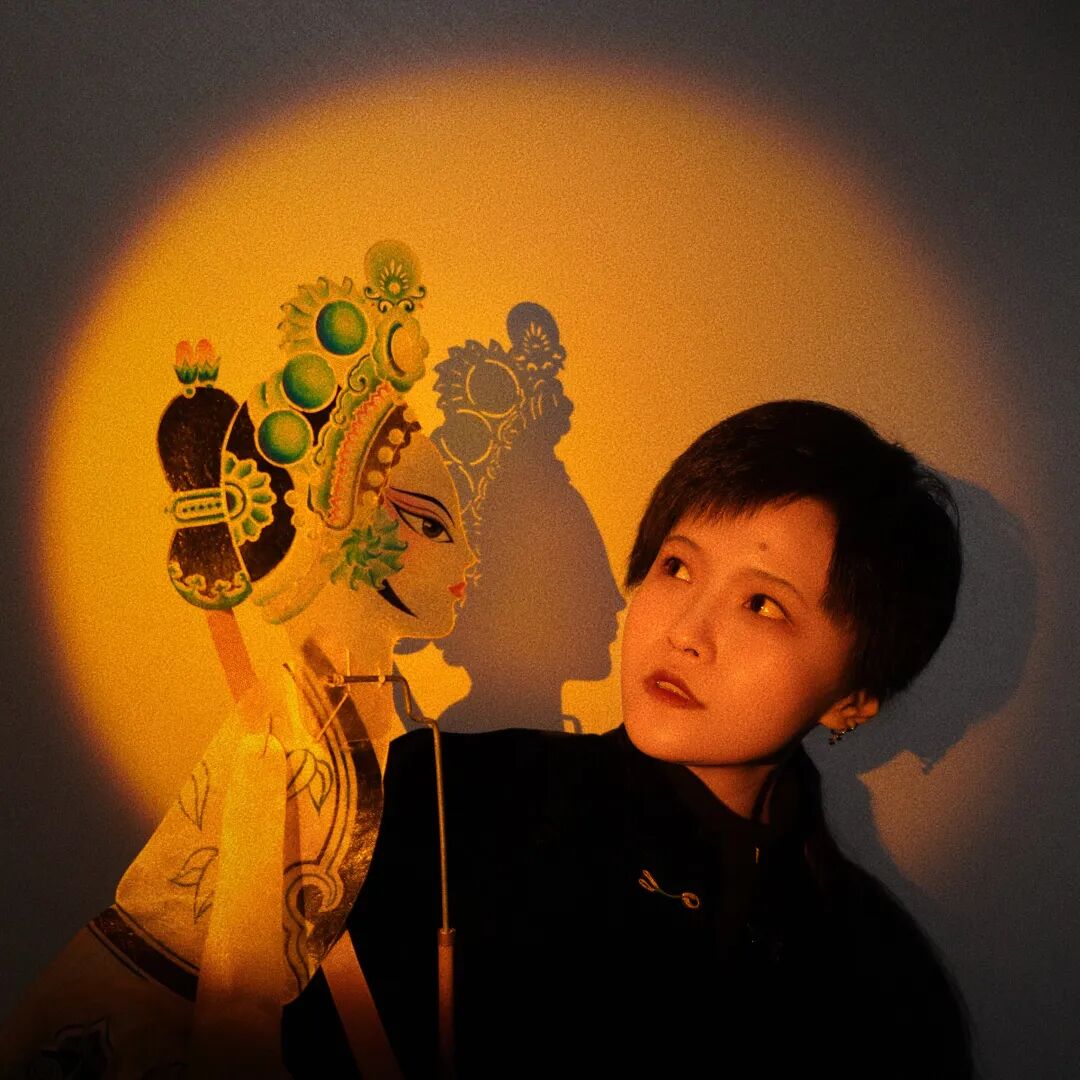
In May 2013 she joined the Beijing Shadow Puppet Troupe, the first performer born after 1995 to do so. The applause stopped; the stage shrank to a white screen. She stepped behind the puppets and discovered a different kind of performance — pouring her own understanding of each character into the leather, telling stories through a sheet of white silk [source:1][source:3].
Her opera training turned out to be a hidden advantage. Years of stage practice gave her an arm steadier and stronger than most: she can grip three manipulation rods in one hand, working a puppet's joints with precision. Her Wu Song fights the tiger with real force; her Chang'e flies with genuine softness; her huadan heroines dance. The characters are only cowhide, but in her hands each has its own temperament [source:1].
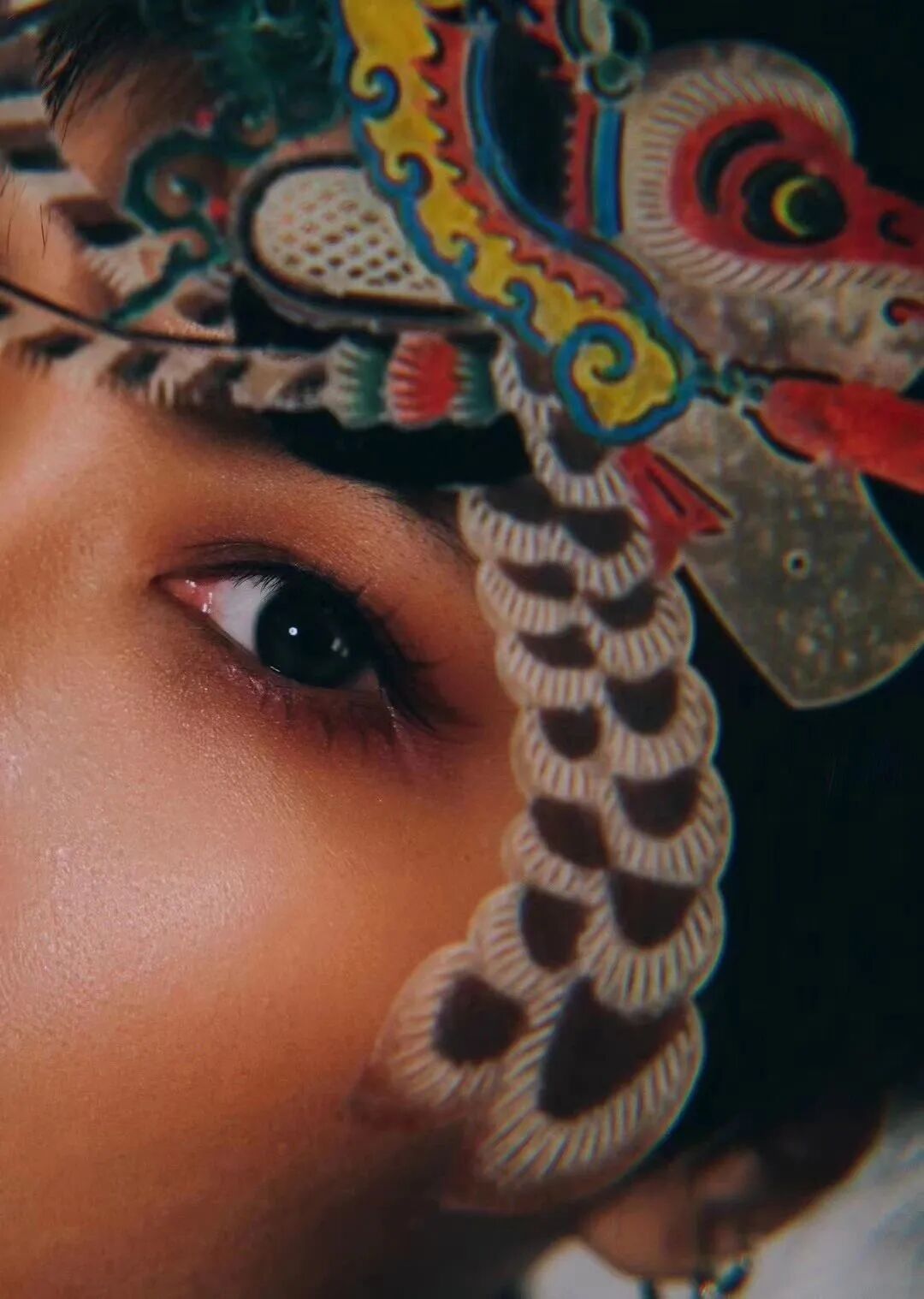
The vocal training never left her either. When the troupe revived its classic production Fan Lihua with newly recorded music, audiences with sharp ears noticed the singing carried a stronger Peking-opera flavor. The singer was Sun Bingqing [source:3].
The children who came back every night
For years, people asked her the same doubtful question: why would someone so young spend her life on "heritage"? She found her answer on tour in Canada [source:1].
Performing with the troupe for half a month, more than a dozen shows of the same traditional plays, she kept seeing the same faces in the audience. Local children had memorized the broadcast schedule and came back night after night. Talking with them after the shows, she realized they were not bored by repetition at all — they were chasing something they had never seen before [source:1].
"When they sighed that such a beautiful art didn't belong to their own country, I looked at the puppet in my hand, and pride and confidence drowned out even my homesickness," she recalls. The doubt about being a young person in an old art disappeared. What replaced it was a mission: to bring shadow puppetry closer to everyone, and to carry Chinese culture outward through it [source:1].
Penguin! Penguin! — shadow play meets South America
In 2022 the Beijing Shadow Puppet Troupe tried something no tradition manual describes. Working with Colombian artist Daniel, they created Penguin! Penguin! — a shadow play fused with South American music, performed with live electric guitar, ukulele, and real singing [source:1].
For Sun Bingqing, the production was a deliberate experiment in translation: learning how other stage arts work, then finding where leather-and-light could meet them so that any audience could follow. Her goal is that nobody who watches a show should feel shadow puppetry is a remote "relic" — it should be living, colorful, and at home in this century [source:1].
The experiment works on its intended audience. After one curtain call, a child rushed up and hugged her: "I wish you would come be a teacher at my school!" Parents bring children expecting something dusty and leave saying, "Shadow play is actually fun — nothing like the old, boring thing I imagined" [source:1].
Hands that still carve
A shadow puppet performer cannot rely on anyone else's workshop. Puppets break; colors fade. Sun Bingqing's own toolkit is cowhide, carving knives, a wax board, awls, scissors, a wool brush, needle and thread — she repairs, recolors, and remakes her cast herself [source:1].
That matters more than it might seem, because many puppets sold today are machine-made. Laser engraving cuts costume patterns with perfect, uniform precision. Sun Bingqing still chooses to sit at her workbench, polishing, carving, painting, and threading by hand [source:1].
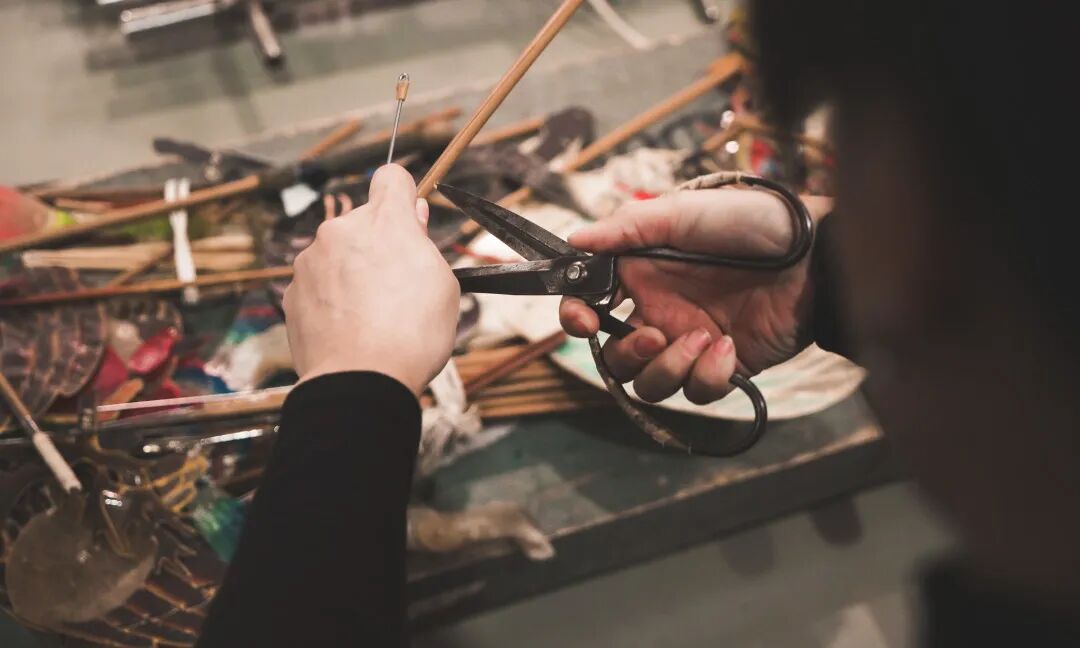
Her reasoning is not nostalgia but creative control: "A machine only follows its program. It never makes mistakes — and it can never innovate." What she learned from tradition may, by her own admission, be rougher than what the old masters could do, but handwork lets her try new blade techniques, design new faces, and give each figure what she calls a "rebirth" — a new meaning pressed into the leather [source:1].
Offstage she carves non-performance figures inspired by the culture around her: Chang'e and Hou Yi as reimagined in the game Honor of Kings, wall-crawling superheroes, cartoon ponies. When lamplight shines through the pierced leather and throws a colored shadow on the wall, these characters from her own generation's childhood seem to gain souls of their own [source:1].
"I wish it weren't called heritage"
Her most provocative idea is also her simplest: "The 'intangible cultural heritage' label makes shadow puppetry look unapproachable. People revere it — but who actually wants to get to know it? When a culture has to be called heritage, that means it has drifted far from everyday life. If I could choose, I'd rather it not be heritage at all, but an art everyone knows and enjoys" [source:1].
That conviction shapes how she works. Traditional puppets ignore modern nine-heads-tall proportions; she happily updates character designs, staging, and stories to contemporary taste, while holding that the spirit and the performing form of the art must be passed down intact. "If shadow puppetry wants to be popular, it has to absorb new art forms. That is not compromise, and it is not extinction — it is evolution and rebirth" [source:1].
She also writes her own plays. Myth, she argues, is the soul of shadow play: stories of gods and fox spirits that strain a live opera stage are exactly what an art of flying, transforming silhouettes does best — "classical animation," as she calls it. Her scripts draw on Chinese legend, foreign folktales, and even recent animated films, some mixing live actors with puppets [source:3].
Eleven years after walking into a grey-haired backstage, she and her post-90s colleagues have become the troupe's backbone, carrying performance and production alike. The white screen is still lit [source:2][source:3].
If her story makes you want to look closer at the craft itself, start with our introduction to Chinese shadow puppetry — or go straight to the workbench with our guide on how traditional shadow puppets are made.
Frequently asked questions
Who is Sun Bingqing?
Sun Bingqing is a shadow puppet performer with the Beijing Shadow Puppet Troupe and one of the best-known post-90s artists in the art form. Trained in Peking opera from childhood, she joined the troupe in May 2013 as its first performer born after 1995, and has since become a core member responsible for performance and singing, including the vocals for the revived classic Fan Lihua [source:1][source:3].
Is shadow puppetry still performed in China today?
Yes. Professional troupes such as the Beijing Shadow Puppet Troupe perform regularly at home and abroad, and their ranks now include performers born in the 1980s, 1990s, and even 2000s. Artists like Sun Bingqing also tour internationally — her troupe's Canada run drew local children back to the same shows night after night [source:1][source:2].
Can traditional shadow puppetry be modernized?
Artists are actively doing it. In 2022 the Beijing Shadow Puppet Troupe co-created Penguin! Penguin! with a Colombian artist, mixing shadow play with South American music, electric guitar, and ukulele. Sun Bingqing also carves figures inspired by video games and animation, arguing that absorbing new forms is "evolution and rebirth," not compromise [source:1].
Are shadow puppets made by hand or machine?
Both exist. Many puppets on the market are laser-cut, which gives perfectly uniform patterns, but traditional artists like Sun Bingqing still carve, paint, and stitch puppets by hand from cowhide. Her argument: a machine follows a program and cannot innovate, while handwork gives every figure its own character [source:1]. Our puppet-making guide walks through the traditional eight steps.