Meng Zhaodong: Five Generations of Southern Henan Shadow Puppets
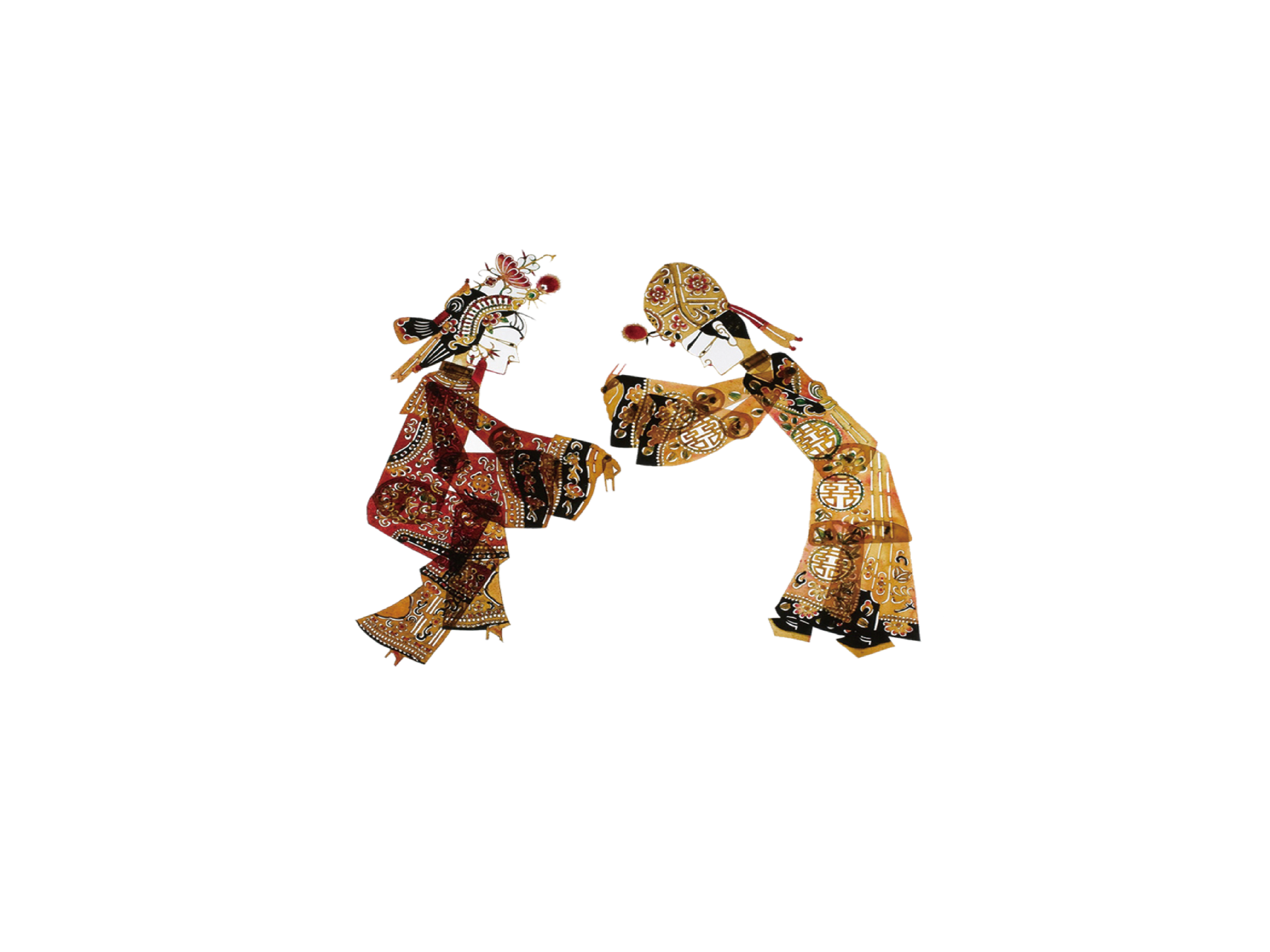
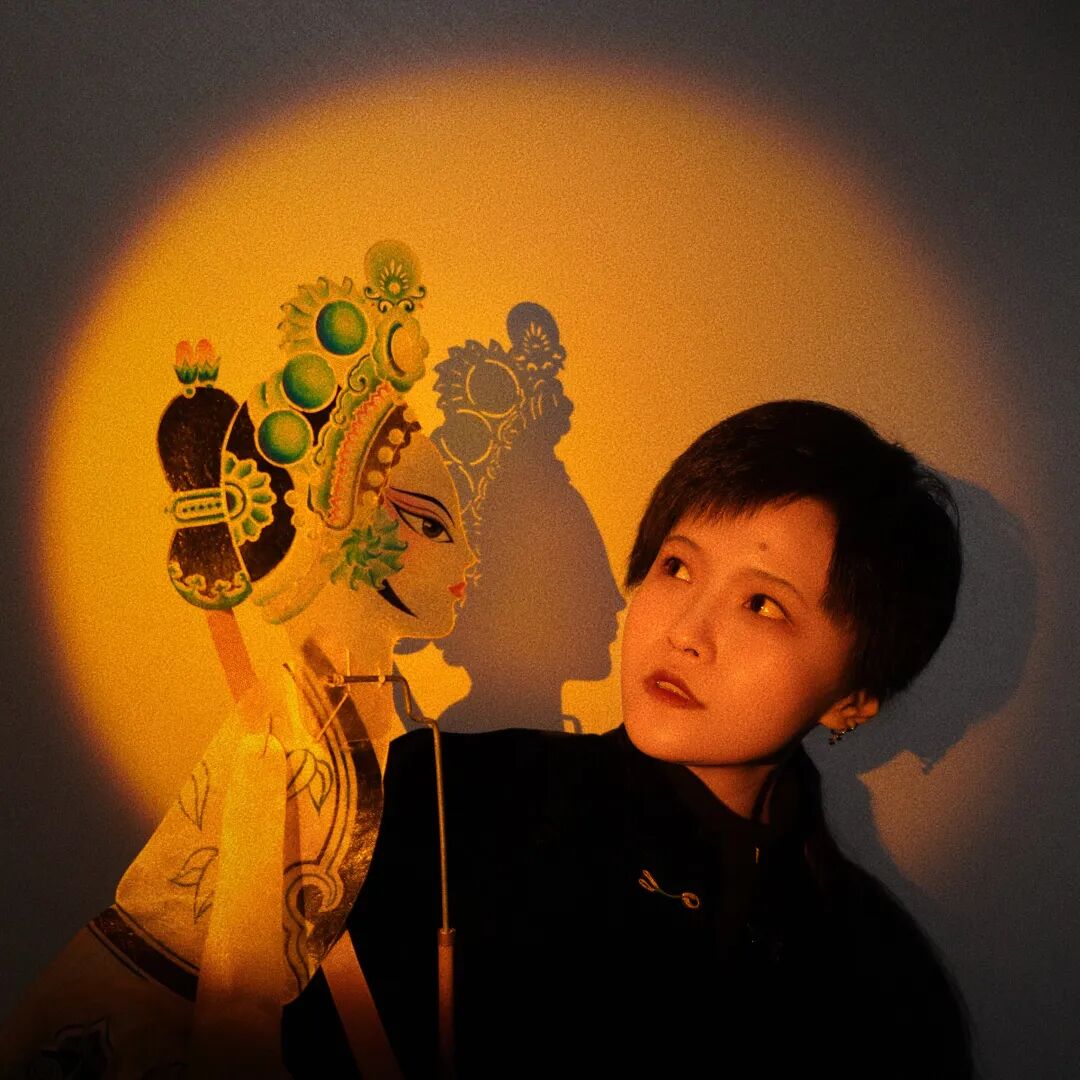
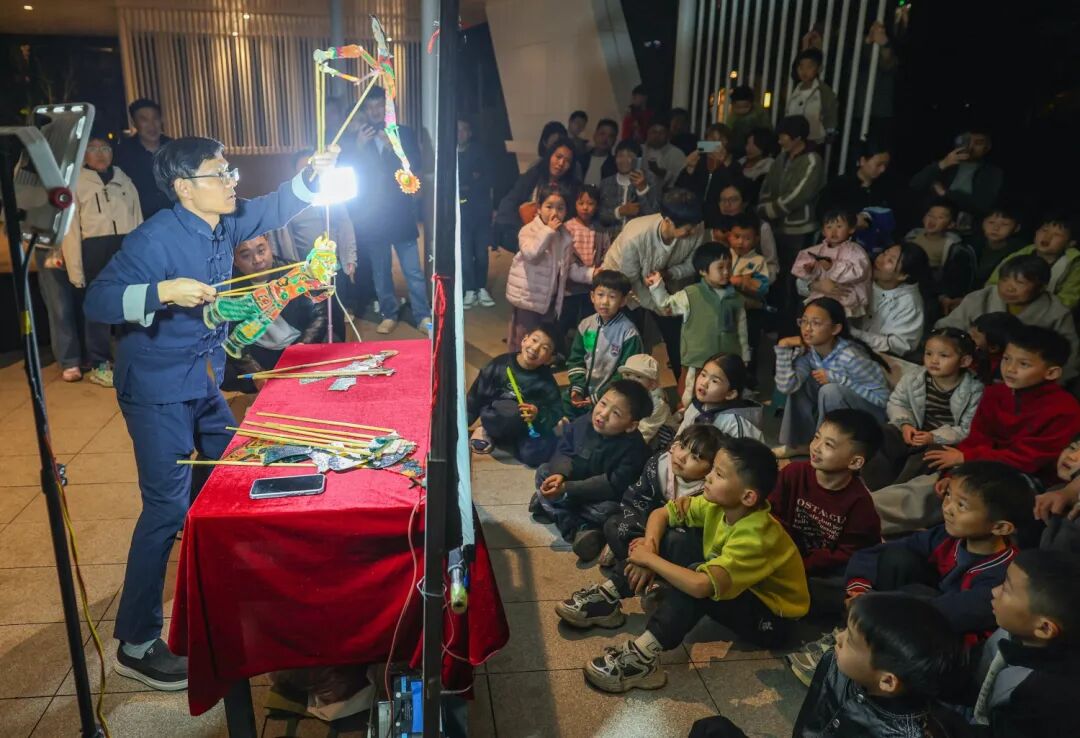
Evening settles over a residential compound in Zhengzhou. A white screen goes up on the open square, a warm lamp glows behind it, and figures of yellow cowhide — thin as cicada wings — stretch and tumble in the light. Meng Zhaodong stands behind the screen, bamboo rods pinched between his fingers, singing the old tunes over crisp gongs and drums. The show is free, the way most of his shows are [source:1].
Meng is the fifth-generation inheritor of southern Henan shadow puppetry, a tradition his family has carried for half a century. He is also a man in a hurry: in his home region, the troupes are going quiet one by one [source:1][source:2].
A father's stages, a son's inheritance
Shadow puppetry in the Meng family runs through the villages of Gushi county, in Xinyang, Henan. Meng Zhaodong's father, Meng Guangxin, is the fourth-generation inheritor and a provincial-level heritage representative — named an "outstanding folk artist" by the China Folk Culture Research Society in 2016 and one of Henan's "hundred best cultural talents" in 2017. For decades the elder Meng walked from village to village across southern Henan with his screen and puppets, guarding a rural art with his own life [source:1].
The son grew up inside that itinerant world and took up the whole craft early: selecting and curing the hide, piercing and painting the figures, controlling the singing, working the bamboo rods. "This is not just a hand skill," Meng Zhaodong says. "It is a cultural responsibility" [source:1].
One performer, three crafts
Southern Henan's shadow play is a one-person art. A single performer must sing every role, manipulate every figure, and — when the cast breaks or fades — carve and paint the replacements. Apprentices in this tradition even have their own title: daohuo, "knife-and-fire," a nod to the twin trials of the carving knife and the lamp's heat [source:1].
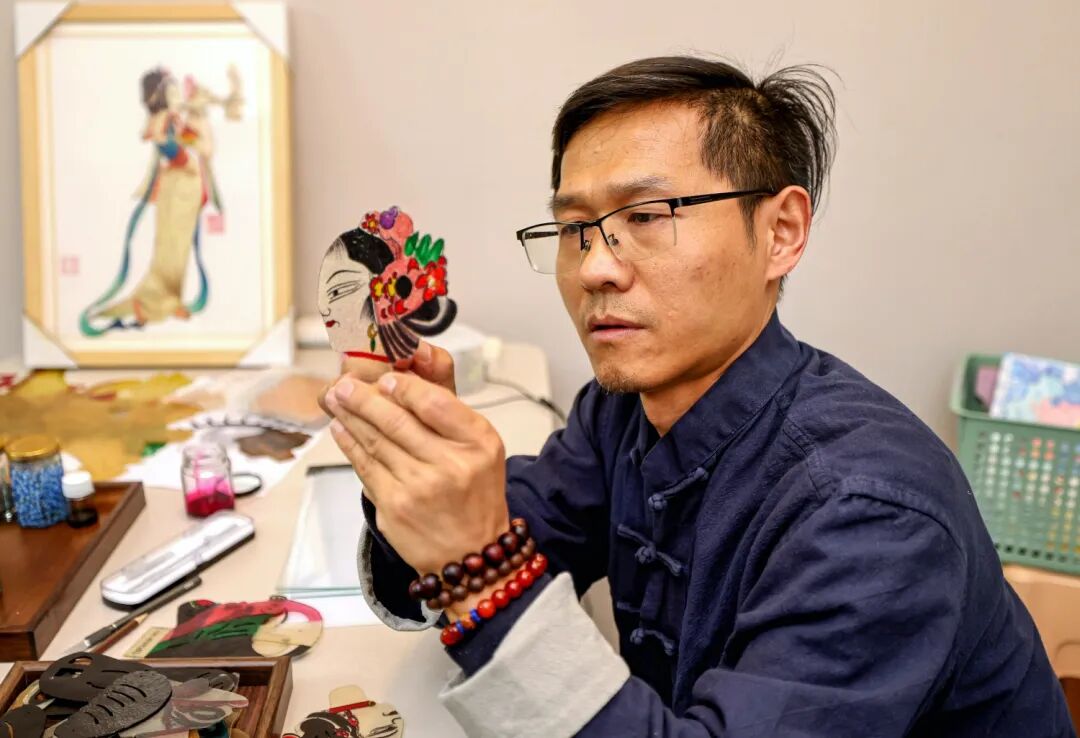
That triple demand is why Meng drills each skill separately. In his studio he works at a light table, blade in hand, engraving the lace-like patterns that let the lamp shine through a puppet's robes. Only when cutting, singing, and rod-work each hold up does a student touch a real performance [source:1].
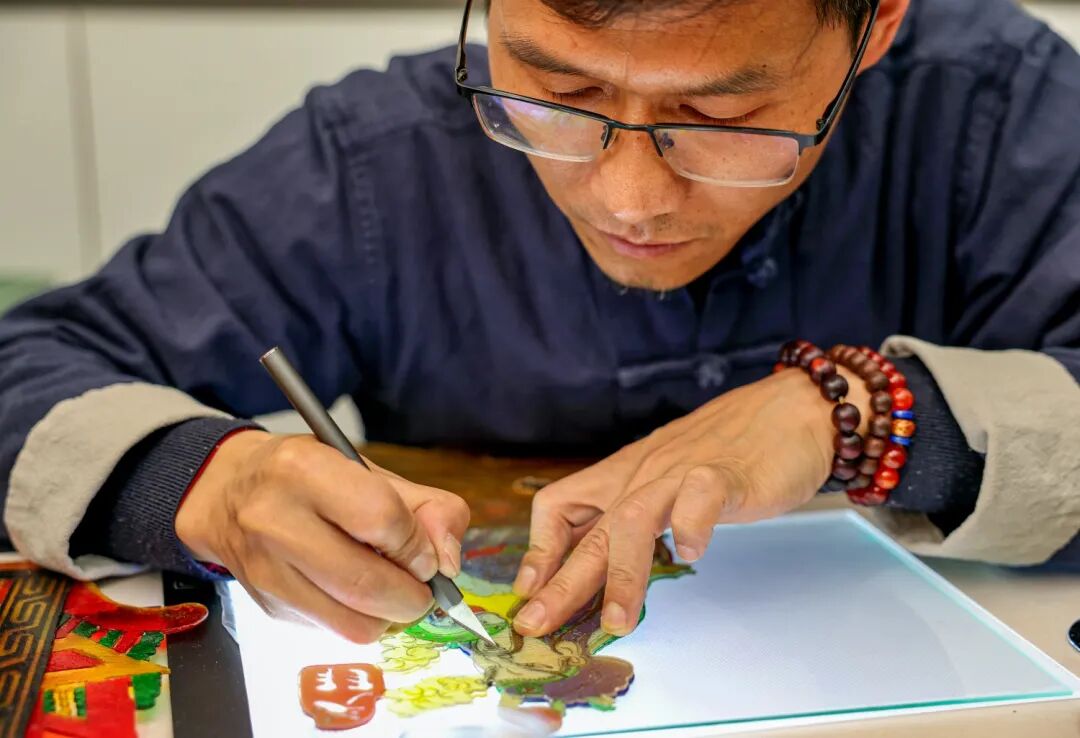
Teaching the "knife-and-fire" apprentices
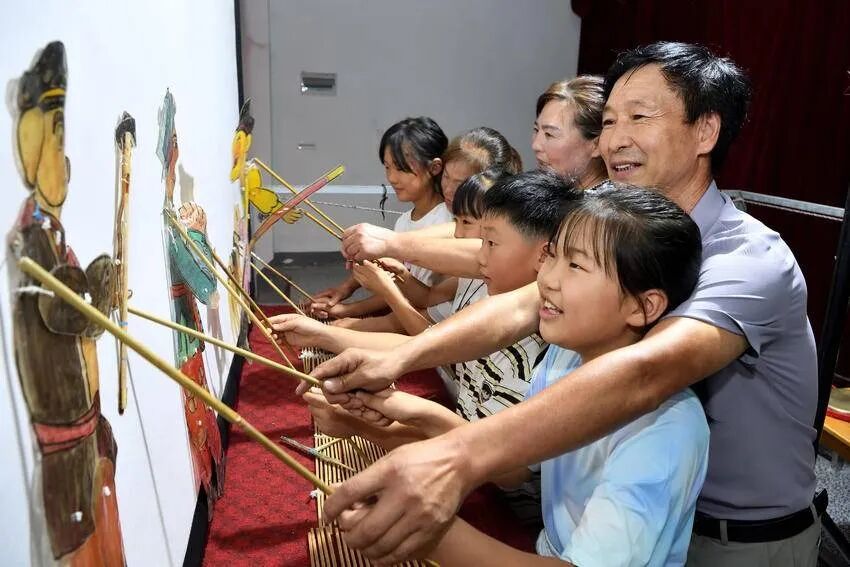
"Letting children touch and feel an ancient art — that is what transmission means," Meng says. He tours schools and neighborhoods with free shows, records for the provincial heritage center's livestreams, and has created dubbed, dialogue-driven children's versions of the classic plays, so a story written for village adults centuries ago lands with city kids today [source:1].
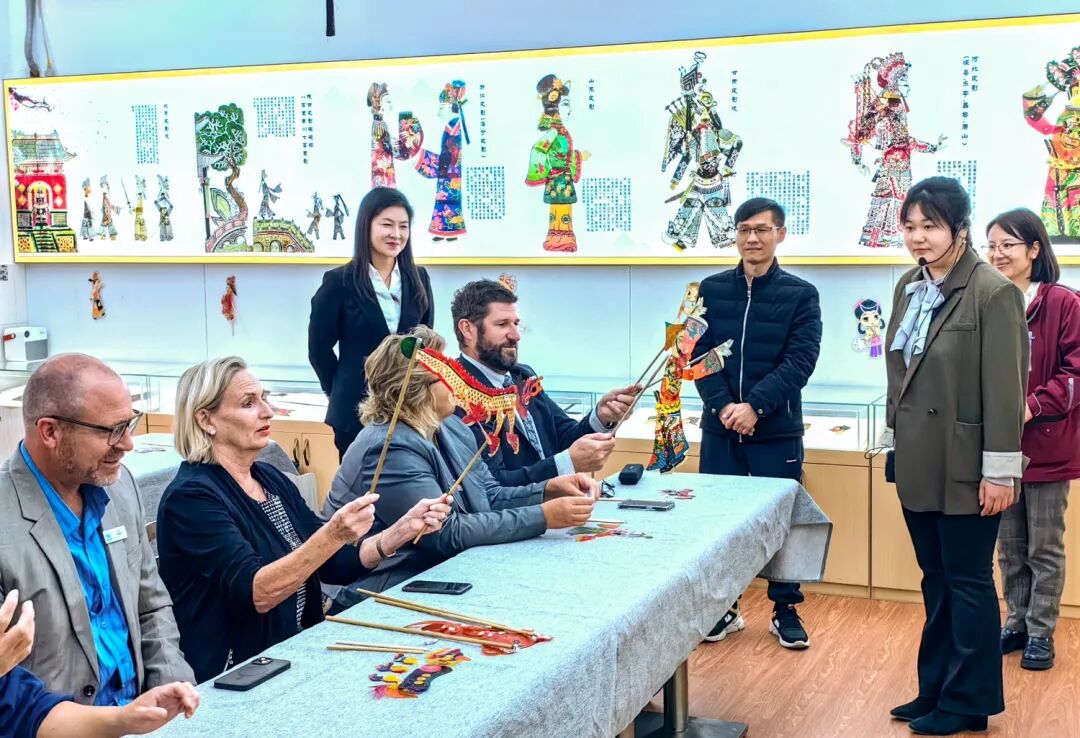
He also takes apprentices properly, teaching the full set — hide selection, carving, singing, manipulation — without holding anything back, and pushing students to innovate on top of the tradition rather than just repeat it. At a Zhengzhou primary school, he recently found himself explaining puppet rods and hide work to a delegation of international school principals, who handled the figures with the fascination of children [source:1].
From village squares to the United Nations
The village art has traveled far. On May 21, 2024, at United Nations headquarters in New York, the Meng family troupe performed at the "Tea for Harmony" International Tea Day celebration — an event co-hosted by China's Permanent Mission to the UN and the Ministry of Culture and Tourism, attended by representatives of more than fifty countries and over a thousand guests. Meng Zhaodong flew to New York and put two classics on the screen: Wu Song Fights the Tiger and The Monkey King Battles Nezha. The troupe from Huzhupu, a small town in Gushi, became one of the event's headliners [source:3].
He has carried the puppets to Malaysia as well, and treats each overseas stage with the same rule: prepare everything, give everything. "When foreign audiences marvel at this art," as fellow young inheritors often find, the performers come home more convinced of what they are guarding [source:1][source:3].
"It cannot end with our generation"
The urgency is real. Southern Henan's shadow play counties have watched their troupes shrink for decades — in Tongbai, one of the tradition's heartlands, only a handful of troupes remain, with fewer than twenty performers still able to take the stage. Meng's answer is the family formula renewed: keep the old plays alive, make them legible to children, and train successors who can sing, act, and carve [source:1][source:2].
"Shadow puppetry cannot be allowed to stop with our generation," he says. "Train the apprentices well, do the transmission well — that is how this craft passes down, generation after generation. The puppet is small, but put your heart into it and it becomes a very large undertaking" [source:1].
Southern Henan's school is one of China's many regional styles — see our introduction to Chinese shadow puppetry for the bigger map, and our puppet-making guide for the eight steps behind every figure. For two more inheritor stories: Zou Guichang's one-armed shadow puppets of Baokang and Sun Bingqing, the post-90s artist in Beijing.
Frequently asked questions
Who is Meng Zhaodong?
Meng Zhaodong is the fifth-generation inheritor of southern Henan shadow puppetry, from Gushi county in Xinyang, Henan, and vice-chair of the county's dramatists association. Named one of Henan's "new heritage youth," he learned the craft from his father Meng Guangxin — a provincial-level heritage representative — and now performs, teaches, and takes apprentices while touring free shows through schools and communities [source:1].
What is southern Henan shadow puppetry?
It is the shadow play tradition of Henan's Xinyang region, a one-performer art in which a single artist sings, manipulates, and carves. Its Luoshan and Tongbai schools are inscribed on China's national intangible cultural heritage list, and Chinese shadow puppetry as a whole has been on UNESCO's Representative List since 2011. The tradition is fragile: in Tongbai county, once a heartland, only a few troupes and fewer than twenty active performers remain [source:1][source:2].
What is a "daohuo" apprentice?
Daohuo — literally "knife and fire" — is the traditional name for a shadow puppetry apprentice in southern Henan. The name captures the two trials of the craft: the carving knife used to cut and paint the cowhide figures, and the heat of the lamp behind the screen during performance. A qualified daohuo must sing, act, and carve [source:1].
Has Chinese shadow puppetry been performed at the United Nations?
Yes. On May 21, 2024, Meng Zhaodong and his family troupe from Gushi performed Wu Song Fights the Tiger and The Monkey King Battles Nezha at UN headquarters in New York, during the "Tea for Harmony" International Tea Day celebration co-hosted by China's Permanent Mission to the UN and the Ministry of Culture and Tourism [source:3].